
Karthi Travels®
ISO 9001:2015 Certified
Erode, Tamil Nadu
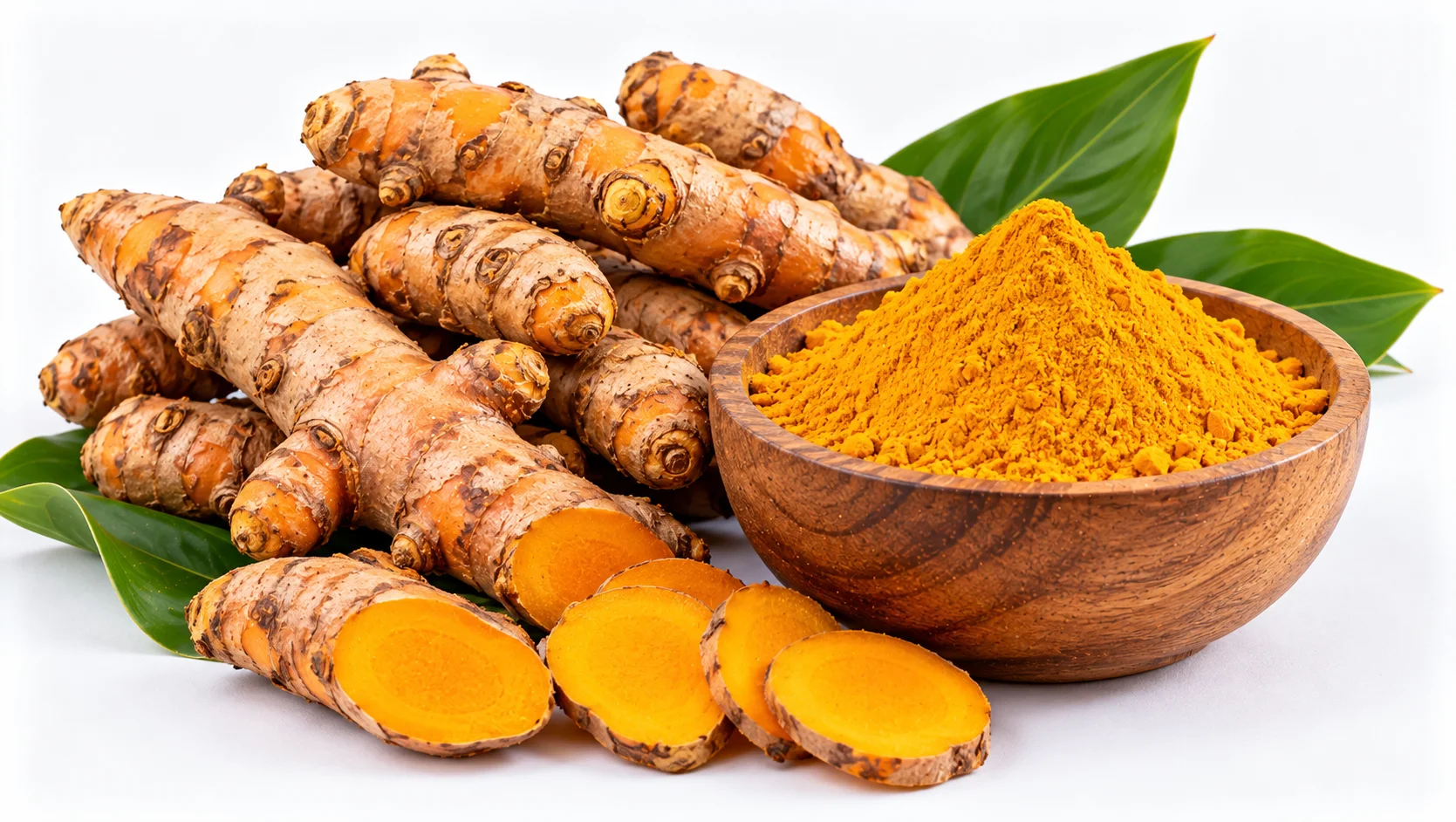
This image has been generated using AI for visual representation purposes only.
Discover Erode Manjal (Erode Turmeric), a GI-registered regional product associated with Erode, celebrated for its local heritage and traditional craftsmanship or production.
Erode Manjal (Erode Turmeric) is a geographically indicated turmeric (Curcuma longa) associated with Erode district in Tamil Nadu, India. The name refers to turmeric produced and processed within the notified Erode region and registered as a GI; the registration and certificate identify the product by its regional origin and its agricultural character. ()
The GI application for Erode Manjal was filed with the Geographical Indications Registry on 4 January 2011 by the Erode Manjal Vanigarkal Matrum Kidangu Urimaiyalargal Sangam (a traders/warehouse owners association). The GI was published in the GI Journal (availability date 5 November 2018) and a Certificate of Registration was issued on 6 March 2019; the IP Office record also shows official renewal/administrative entries and a registration validity note. These dates and the applicant name are taken from the Geographical Indications Registry (IP India) record for Application No. 231. ()
Erode Manjal is produced using locally maintained cultivation and processing practices within the Erode district. Local grower and trader communities (including the Erode Manjal Vanigarkal Matrum Kidangu Urimaiyalargal Sangam) have long organised cultivation, local auction/bidding and post-harvest processing in district warehouses; these community and market practices were recorded during GI documentation and subsequent field studies. The product’s GI registration process and Part A/Part B procedures reflect the involvement of these local producer and trader organisations. ()
Documented characteristics for Erode Manjal include a golden-yellow colour, the presence of two commercial forms (bulb and finger), and a reported curcumin content in the documented range of about 2.5% to 4.5%. The rhizome morphology reported in field studies distinguishes bulb (larger, higher powder yield) and finger forms (smaller individual fingers), and the product is processed by boiling, sun-drying and polishing to develop the bright yellow colour and stable appearance; boiled/processed rhizomes are reported to show improved pest resistance for a period observed by local producers. These features were described in the GI documentation and empirical field reports used in the application and follow-up studies. ()
Based on documented field descriptions, the production sequence reported by growers is: selection of seed material (mother rhizomes/panankali) and planting (local planting season June–July); growth under irrigated conditions typical for the district; harvest (reported generally January–March); prompt post-harvest boiling (typically 20–25 minutes within 2–3 days of harvest), cooling and sun-drying (about 10–15 days as reported by growers), followed by polishing to improve appearance and colour prior to sale. Panankali (mother rhizomes) are separated and dried for use as seed or for extraction purposes. These stages and their approximate timings were recorded during GI field studies and reports used in registration documentation. ()
Documented traditional techniques include: use of mother rhizomes (thaai manjal/panankali) as seed stock; short-duration boiling of freshly harvested rhizomes (reported 20–25 minutes) before sun-drying; sun-drying on raised platforms or ground sheets for several days; and manual or mechanised polishing to remove scales and root bits and to bring out the yellow colour. These methods were described by growers and in the GI field report. ()
Erode Manjal has agricultural and regional economic importance for Erode district: Erode is a major turmeric trading and processing centre in Tamil Nadu and the turmeric trade and warehousing are a significant part of the local agri-economy. The GI registration recognises the product’s regional identity and formalises a connection between the turmeric and its documented production area and practices. Field reports also note socio-economic issues affecting growers (labour costs, yield trade-offs between traditional and hybrid varieties) that shape current cultivation patterns. ()
Erode Manjal is registered under Application No. 231 in the Geographical Indications Registry; the application was filed 4 January 2011 and a Certificate of Registration is recorded with a certificate date of 6 March 2019. ()
Field documentation reports a curcumin content in the range of approximately 2.5%–4.5% and a characteristic golden-yellow colour after processing. ()
Growers describe a consistent local processing sequence: brief boiling of fresh rhizomes, sun-drying for several days, and polishing prior to sale or storage. ()
Erode and its marketplaces are historically associated with large-scale turmeric trade; the crop and market practices are embedded in local agricultural livelihoods and marketplace culture, and the district is often referred to in trade contexts for its turmeric commerce. These market and community connections were recorded in GI documentation and local studies. ()
Erode Manjal is the geographically indicated turmeric associated with Erode district, Tamil Nadu. It refers to turmeric rhizomes grown and processed in the notified Erode area; the product is recorded in the Geographical Indications Registry under Application No. 231. ()
Documented distinguishing features include a golden-yellow colour after processing, two common commercial forms (bulb and finger), and a reported curcumin content in the range of about 2.5%–4.5%. The product is processed locally by boiling, sun-drying and polishing. ()
Erode Manjal is cultivated in parts of Erode district (and adjacent notified taluks listed in the GI documentation). Growers report a planting season around June–July and a harvest season generally from January to March. ()
Yes. Field documentation identifies locally used varieties such as Chinnanadan and Perumnadan, and the mother rhizome (panankali) is maintained separately for planting or extraction purposes. ()
Recorded local processing steps are: boiling freshly harvested rhizomes (commonly 20–25 minutes), cooling and sun-drying for about 10–15 days, then polishing to improve appearance and colour before sale or storage. Panankali (mother rhizomes) are separated and dried for seed or extraction. ()
This image has been generated using AI for visual representation purposes only.
Let Karthi Travels help you plan a comfortable and memorable journey across Tamil Nadu.
Experience, Trust & Memories Built Over the Years





Your journey is in experienced hands, from planning to the final drop.

No hidden charges. Clear and upfront pricing.

Clean, inspected and well-serviced vehicles for a comfortable journey.

Professional drivers focused on safe and pleasant travel.

Dependable pickups and reliable travel service.
Travel Made Simple, Experiences Made Grand

Explore the best of each destination with our curated sightseeing tours.

Perfect for families and groups, planned with comfort, safety and flexibility in mind.

Peaceful and spiritually enriching journeys with carefully planned routes.

Personalised honeymoon tours and romantic destinations for your special journey.

Compliant and well-documented tour plans to make the most of your travel concession.
 WhatsApp Us