
Karthi Travels®
ISO 9001:2015 Certified
Kanniyakumari, Tamil Nadu
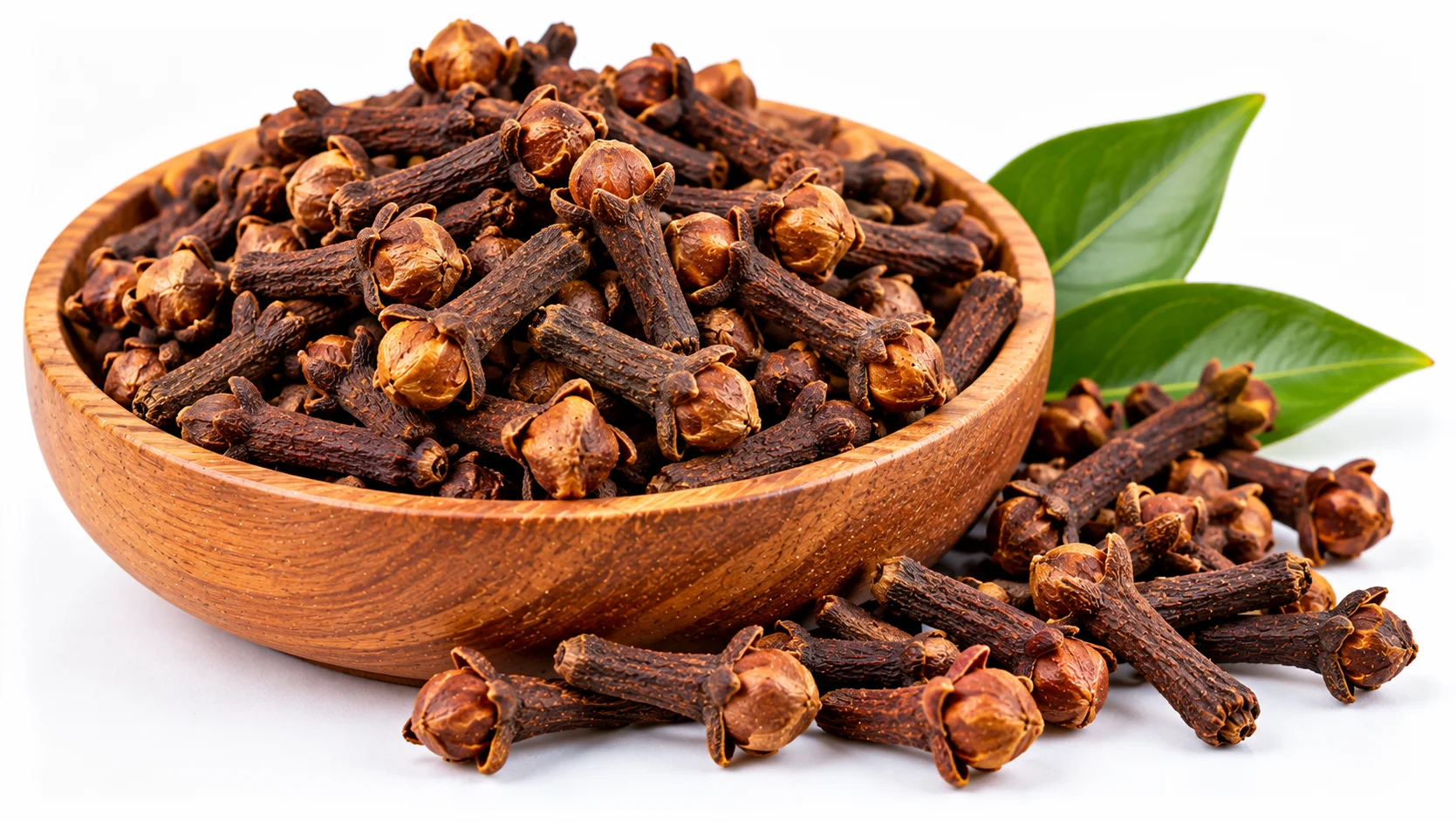
This image has been generated using AI for visual representation purposes only.
Discover Kanniyakumari Clove, a GI-registered regional product associated with Kanniyakumari, celebrated for its local heritage and traditional craftsmanship or production.
Kanniyakumari Clove is a Geographical Indication (GI)–registered spice from the hills of Kanniyakumari district, Tamil Nadu, India. The product comprises the dried, unopened flower buds of the clove tree (Syzygium aromaticum) grown in specific hill areas of the district and is recognised for its regional identity and aromatic profile. ()
Kanniyakumari Clove was the subject of a GI application filed by local planters’ associations and is registered under the Geographical Indications of India (application number 675). The application lists Maramalai Planters Association as an applicant; the GI filing and registration process is recorded on the IP India GI public search and registry, with a certificate date recorded in official records. Clove cultivation in the district expanded through smallholder plantings and planter associations; local reports and district-level studies describe organised planter groups (for example Maramalai and Blackrock Hill planters associations) and government-supported processing and distillation facilities that developed as clove cultivation and value‑addition increased in the 20th and 21st centuries. Sources documenting cultivation, local organiser names, and GI registration provide the basis for these points. ()
Clove cultivation in Kanniyakumari is associated with smallholder planters and local planter associations that manage hill plantations. Traditional local practice includes selective hand‑harvesting of unopened flower buds at peak maturity (harvesting season reported between mid‑January and mid‑March), followed by drying and grading; community planter groups and district agricultural institutions have been involved in organising production, processing and small-scale distillation for essential oil. These practices and organisational forms are documented in district and agricultural extension reports. ()
Reported distinguishing features of Kanniyakumari Clove include a relatively high volatile‑oil concentration (commonly reported in local sources as about 19–21%) and comparatively thick, well‑formed buds. The cloves are produced at elevations in the Western Ghats hills of the district (reported cultivation altitude range around several hundred metres), where a combination of both monsoons and sea‑influenced hill climate is cited locally as contributing to the spice’s aromatic profile. These characteristics are reported in regional news coverage and agricultural reports. ()
Documented production stages reported for Kanniyakumari Clove include: (1) cultivation of clove trees in the hill reserves and adjoining plantation areas of the district; (2) flowering and formation of unopened flower buds on Syzygium aromaticum trees; (3) selective hand harvesting of mature unopened buds during the reported harvesting season (mid‑January to mid‑March); (4) drying and grading of harvested buds; and (5) optional value‑addition such as steam distillation in local processing units to extract clove bud oil. Agricultural extension and district processing reports describe these stages and the presence of processing/distillation facilities used by planter associations. ()
Hand‑picking of unopened flower buds at maturity and sun/air drying of buds are documented local practices. Local planter associations have employed small‑scale steam distillation for extraction of clove essential oil in district processing units, as described in agricultural extension literature. ()
Kanniyakumari Clove has documented regional agricultural and economic importance within Kanniyakumari district and Tamil Nadu. District and regional reports indicate large area under clove cultivation in specific hill zones, organised planter associations involved in cultivation and value addition, and the spice’s use in local cuisine and in industries that use clove oil (perfumery, spice blends, and related applications). The GI registration recognises the district association between the product and its geographic origin. ()
Kanniyakumari Clove is registered as a Geographical Indication under application number 675; the GI filing lists local planter associations as applicants and is recorded in the IP India GI registry. ()
Cultivation is concentrated in the Maramalai, Karumparai and Vellimalai hill areas above the Veerapuli Reserve and Mahendragiri hills in Kanniyakumari district. ()
Regional reports note a higher volatile‑oil concentration (commonly reported around 19–21%) and relatively thick, well‑formed buds compared with some other growing areas. ()
Beyond its agricultural role, clove figures in local planter organisation and rural livelihoods; planter associations and local agricultural institutions have played visible roles in organising production and processing. The spice is also integrated into regional culinary traditions. These connections are documented in district agricultural materials and reporting on the GI application. ()
Kanniyakumari Clove refers to the dried, unopened flower buds of the clove tree (Syzygium aromaticum) that are grown in specified hill areas of Kanniyakumari district and recognised under a Geographical Indication application and registration. ()
Yes. The GI application for Kanniyakumari Clove is recorded in the IP India Geographical Indications public search (application number 675) and the registry shows the certificate details associated with the registration. ()
Reported cultivation zones include the Maramalai, Karumparai and Vellimalai hill areas above the Veerapuli Reserve Forest and Mahendragiri hills; these hill tracts are cited in district agricultural reports and local coverage. ()
Regional reporting describes Kanniyakumari Clove as having comparatively thick buds and a relatively higher volatile‑oil concentration (reported in local sources around 19–21%), attributes that are cited as part of the region’s characteristic profile. ()
Local reports indicate harvesting typically takes place between mid‑January and mid‑March, when mature unopened buds are hand‑picked for drying and processing. ()
This image has been generated using AI for visual representation purposes only.
Let Karthi Travels help you plan a comfortable and memorable journey across Tamil Nadu.
Experience, Trust & Memories Built Over the Years





Your journey is in experienced hands, from planning to the final drop.

No hidden charges. Clear and upfront pricing.

Clean, inspected and well-serviced vehicles for a comfortable journey.

Professional drivers focused on safe and pleasant travel.

Dependable pickups and reliable travel service.
Travel Made Simple, Experiences Made Grand

Explore the best of each destination with our curated sightseeing tours.

Perfect for families and groups, planned with comfort, safety and flexibility in mind.

Peaceful and spiritually enriching journeys with carefully planned routes.

Personalised honeymoon tours and romantic destinations for your special journey.

Compliant and well-documented tour plans to make the most of your travel concession.
 WhatsApp Us