
Karthi Travels®
ISO 9001:2015 Certified
Kodaikanal, Dindigul, Tamil Nadu
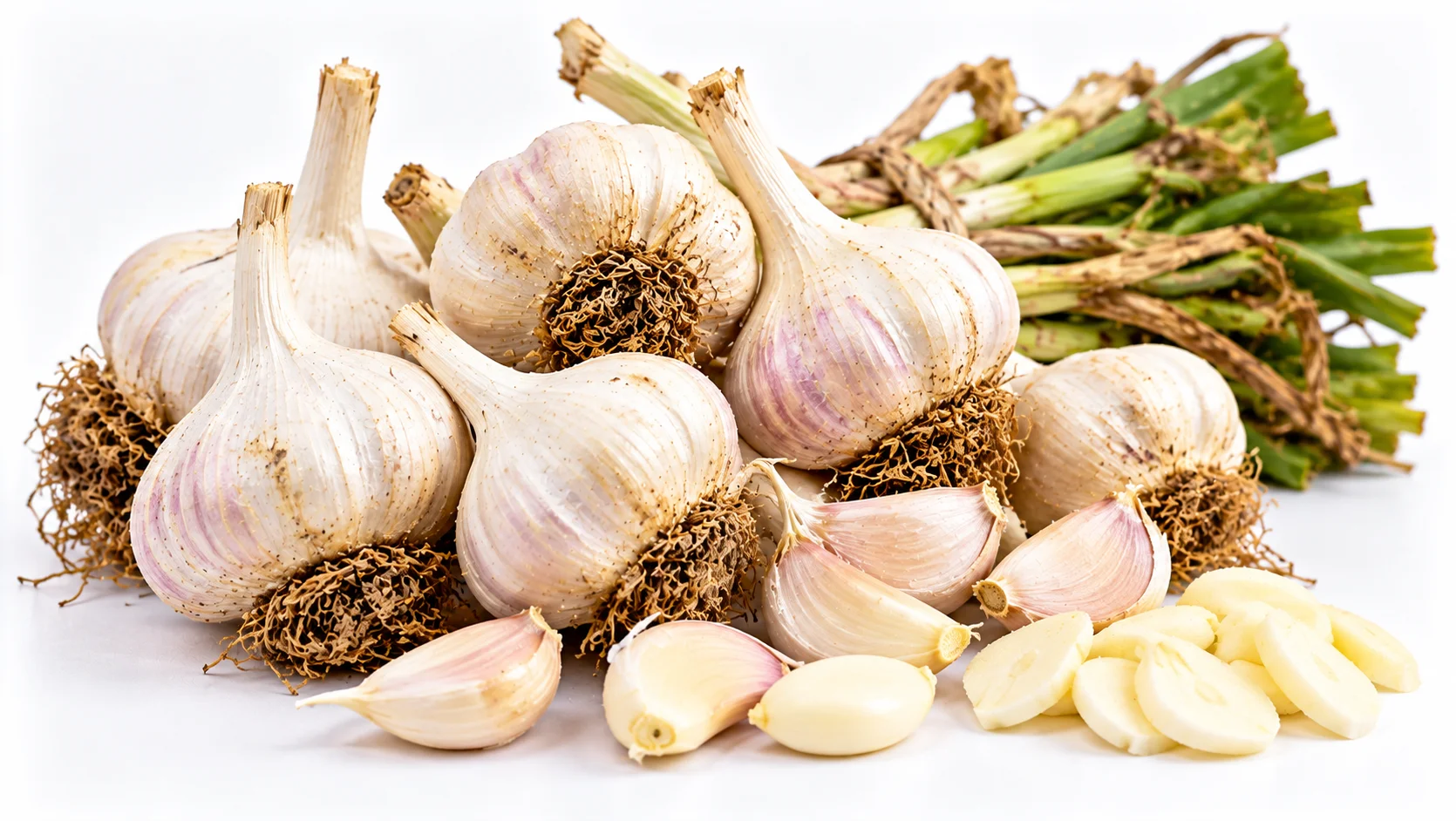
This image has been generated using AI for visual representation purposes only.
Discover Kodaikanal Malai Poondu, a GI-registered regional product associated with Kodaikanal, celebrated for its local heritage and traditional craftsmanship or production.
Kodaikanal Malai Poondu is a geographically‑indicated hill garlic (Allium sativum) associated with the upper‑hill villages of Kodaikanal in Dindigul district, Tamil Nadu, India. The name refers to the traditional locally grown garlic variety and the product as presented and handled by local cultivators and collectors. The Geographical Indications Registry of India granted registration for "Kodaikanal Malai Poondu" (Certificate No. 346) on 30 July 2019.
The documented record for Kodaikanal Malai Poondu in the GI application and supporting Statement of Case links the variety to upper‑hill villages around Kodaikanal (examples listed in the application include Poombarai, Kavunji, Poondi, Polur, Klavarai, Kookal, Gundupatti, Puthupudhur, Palamiruthoor and Velputty). The GI application was filed on 1 June 2018 and the certificate was issued on 30 July 2019. The Statement of Case submitted with the application cites historical and market evidence for a long local association — including regional market histories (Vadugapatti market) and traditional house storage practices — and documents local grading and trade of the garlic. The application materials record the product’s continued local cultivation, production practices, and inspection arrangements established by local research and state bodies. Where the application cites older documentary material (for example, local copper‑plate references used in the Statement of Case), these are presented in the application as historical evidence of the region’s long association with garlic cultivation.
Traditional knowledge documented in the GI application includes region‑specific cultivation and post‑harvest practices: selection and sundrying of planting cloves, manual planting and weeding, hand harvesting, tying bulbs by their stalks into loose bundles (locally called "Kathai") and village storage methods that use good air circulation and household smoke to protect bulbs from pests. The application also documents the role of local farming communities (including significant participation of women in sowing, weeding and harvesting) in maintaining the variety and its practices over generations.
Kodaikanal Malai Poondu is described in the specification as a small, raindrop‑shaped hill garlic bulb with white or pale‑yellow papery skin, typically about 2–3 cm in height and averaging 20–30 g per bulb. The variety is noted in the application for a pronounced pungency and strong aroma. The GI documentation attributes the variety’s sensory profile and its extended storability to the hill soil and local climatic conditions of the Kodaikanal area. A distinctive post‑harvest characteristic recorded in the specification is that the cloves tend to remain adhered within the bulb for an extended period, a trait linked in the application to storage performance.
1. Land preparation: fields are ploughed and farmyard manure (cow dung) is spread; ploughing/leveling is repeated after 15–20 days and manual levelling with spades is used. 2. Seed preparation: seed stock (bulbs) are separated into individual cloves and sundried for about a month; farmers inspect cloves and reject those with shoots beyond a specified length. 3. Planting: cloves are planted root‑side down at approximately two‑inch spacing. 4. Growing: irrigation is typically once every 15 days relying largely on monsoon; regular weeding (roughly every 15 days) is practised and moderate fertilisation is applied early in growth (conventional use of cow dung dissolved in irrigation water is recorded). 5. Maturation: the crop needs more than 120 days to reach maturity; leaves brown as bulbs mature. 6. Harvesting: bulbs are loosened (often with a spade), pulled by hand, soil gently brushed off and bulbs kept out of direct sunlight for drying; roots are not washed. 7. Post‑harvest handling and storage: bulbs are tied by their stalks into loose bundles ("Kathai") and hung in specialised roofing or household storage spaces with good air circulation; some village storage practices include low levels of household smoke which historically helped protect bulbs from fungi and insects. Properly handled bulbs are recorded in the specification as capable of extended storage.
Selection of seed cloves by shoot‑length and sun‑drying of seed stock for about a month before planting; conventional use of cow‑dung manure and infusion of cow‑dung in irrigation water as a traditional fertiliser; manual weeding and hand‑harvest methods; tying bulbs by stalks into "Kathai" bundles and hanging in village storage roofs; traditional household smoke‑assisted storage as a protective practice.
Kodaikanal Malai Poondu holds agricultural and local economic importance in the Kodaikanal hill area. The GI application documents a long‑standing local cultivation and trade linkage (including historical trade through regional markets such as Vadugapatti) and records community organisation to protect the variety. The variety forms part of local hill agricultural systems and village livelihoods in the named Kodaikanal villages and features in local identity and market grading practices.
Kodaikanal Malai Poondu is a registered Geographical Indication in India (Certificate No. 346; certificate date 30 July 2019).
The specification and supporting documentation note an extended storage life when handled by traditional methods — recorded in the application as typically lasting around 8–11 months under local storage practices.
The product is specifically associated with upper‑hill villages around Kodaikanal and is included in local market grading systems (the application and market records list Grade I and Grade II classifications for Kodaikanal Malai Poondu).
The product is embedded in local village practices (household storage designs, tying and hanging methods, and a regionally documented market tradition). The GI Statement of Case records local market histories and community involvement in conserving and trading the variety, and cites village‑level practices that have sustained the product as part of the Kodaikanal hill cultural landscape.
Documented traditional storage practices (tying bulbs by stalks into "Kathai", hanging in specially designed roofing or village household storage with good air circulation and use of household smoke for protection) are reported in the application; under these practices the application records storage performance in the order of about 8–11 months. Bulbs are not washed before drying and good ventilation is important.
Kodaikanal Malai Poondu is a locally grown hill garlic (Allium sativum) linked to the upper‑hill villages of Kodaikanal in Dindigul district, Tamil Nadu. It is a GI‑registered agricultural product with a documented regional specification.
The GI documentation identifies upper‑hill villages around Kodaikanal (examples listed in the application include Poombarai, Kavunji, Poondi, Polur, Klavarai, Kookal, Gundupatti, Puthupudhur, Palamiruthoor and Velputty) as the primary growing areas within the defined geographical association.
The specification describes small, raindrop‑shaped bulbs (about 2–3 cm in height, average 20–30 g), white or pale‑yellow papery skins, a strong aroma and pronounced pungency, and an observed tendency for cloves to remain attached in the bulb — a trait associated with extended storability under local storage methods.
Traditional post‑harvest practice documented in the application includes drying bulbs, tying plants by their stalks into loose bundles called 'Kathai', and hanging them in specially designed roofing or household storage areas with good ventilation; historically, low levels of household smoke were used in village storage to reduce fungal or insect damage.
The GI application was filed on 1 June 2018 and the Geographical Indications Registry issued the registration certificate (Certificate No. 346) on 30 July 2019.
This image has been generated using AI for visual representation purposes only.
Let Karthi Travels help you plan a comfortable and memorable journey across Tamil Nadu.
Experience, Trust & Memories Built Over the Years





Your journey is in experienced hands, from planning to the final drop.

No hidden charges. Clear and upfront pricing.

Clean, inspected and well-serviced vehicles for a comfortable journey.

Professional drivers focused on safe and pleasant travel.

Dependable pickups and reliable travel service.
Travel Made Simple, Experiences Made Grand

Explore the best of each destination with our curated sightseeing tours.

Perfect for families and groups, planned with comfort, safety and flexibility in mind.

Peaceful and spiritually enriching journeys with carefully planned routes.

Personalised honeymoon tours and romantic destinations for your special journey.

Compliant and well-documented tour plans to make the most of your travel concession.
 WhatsApp Us