
Karthi Travels®
ISO 9001:2015 Certified
Kodaikanal, Dindigul, Tamil Nadu, Dindigul
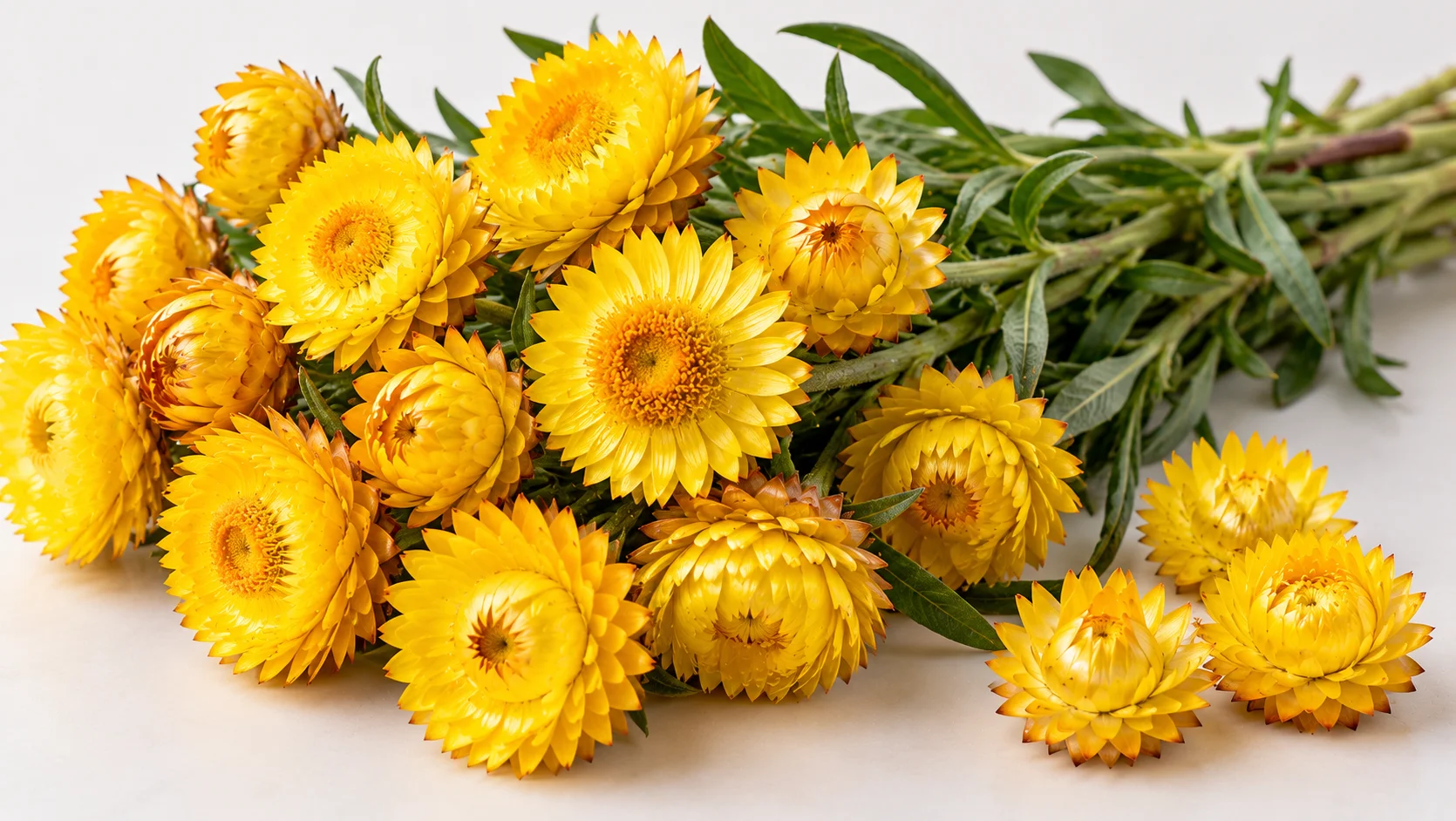
This image has been generated using AI for visual representation purposes only.
Yellow everlasting flowers associated with Kodaikanal, valued for their ability to retain their appearance and colour for months after drying, making them attractive natural souvenirs.
Kodaikanal Yellow Everlasting Flowers are decorative floral souvenirs associated with the shopping experience in Kodaikanal, the popular hill station in the Palani Hills of Tamil Nadu. Everlasting flowers are generally dried or specially preserved flowers valued for their ability to retain their shape and decorative appeal for much longer than fresh blooms. Their yellow colour brings warmth and brightness to floral arrangements, miniature displays and home decorations. Visitors exploring Kodaikanal may come across dried-flower souvenirs and ornamental floral crafts in tourist shopping areas. Depending on the particular product, these may consist of dried flower heads, preserved botanical materials, decorative stems or flowers incorporated into a handmade arrangement. The exact botanical species and preservation method of a product sold under this name should be confirmed with its maker or seller; the name alone does not establish a scientific identification. These flowers appeal to travellers looking for lightweight souvenirs that capture the colourful, nature-oriented character of a hill-station visit. They can be displayed in small vases, incorporated into craft projects or kept as decorative reminders of a holiday. Their durability depends on how thoroughly they have been dried or preserved and whether they are protected from moisture, sunlight and physical damage. This product category describes a floral souvenir associated with Kodaikanal rather than a verified geographical indication or an exclusively local botanical variety.
The use of dried flowers for decoration is a longstanding practice in many parts of the world. Flowers have traditionally been preserved by air-drying, pressing and other moisture-removal methods so that their forms can be retained for arrangements, keepsakes and decorative crafts. As travel and souvenir shopping developed, preserved flowers became a way for visitors to take home a small piece of a destination's natural beauty. Kodaikanal has a well-established association with gardens, ornamental plants and seasonal flowers. The town's horticultural attractions include Bryant Park, which hosts an annual flower show and displays a variety of cultivated blooms. This wider flower-growing and tourism environment makes floral souvenirs a natural fit for the local visitor-shopping experience. However, the available information does not establish a specific historical origin, traditional production community or exclusive preservation technique for Kodaikanal Yellow Everlasting Flowers. It would therefore be inaccurate to attribute the product to a particular artisan lineage or claim that it has been produced in the region for a defined number of generations without further evidence. The history of an individual item may instead depend on the flower species, the person who prepared it and the method used to dry or preserve it.
Flowers have an important place in Indian cultural life, appearing in religious offerings, festivals, family celebrations, hospitality and everyday decoration. Fresh flowers are widely valued for their colour and fragrance, while dried flowers offer a way to preserve floral forms beyond their natural flowering period. Yellow flowers can be used in cheerful decorative arrangements, although their precise symbolism varies by flower species, community and occasion. Preserved floral souvenirs are primarily decorative products and should not automatically be assigned a particular religious meaning. In Kodaikanal, flowers also form part of the broader visitor experience through gardens, seasonal displays and the town's annual horticultural events. A dried-flower souvenir allows travellers to take home a small botanical decoration after exploring the hill station. The cultural meaning of a particular arrangement depends on the flowers used and how the buyer chooses to display it.
The defining visual feature of Kodaikanal Yellow Everlasting Flowers is their yellow colour combined with the lasting decorative appearance associated with dried or preserved floral materials. Depending on the product, the flowers may have compact heads, layered petals, papery textures, slender stems or other characteristics of the species used. Some arrangements may consist of individual dried blooms, while others may combine flowers with stems, foliage or decorative wrapping. Unlike fresh cut flowers, properly dried specimens can retain their form without needing water. Their original colour may gradually fade with exposure to sunlight, humidity or unsuitable storage conditions. The texture, shape and degree of colour retention vary according to the botanical species and preservation process. As the product name does not identify a particular species, buyers should not assume that all examples contain the same flower. A seller can provide more reliable information about whether the item is naturally dried, chemically preserved, dyed or assembled from several botanical materials.
The preparation of everlasting flowers begins with selecting suitable blooms at an appropriate stage of development. Flowers are inspected and damaged or discoloured parts are removed. For simple air-dried products, stems or flower heads are arranged in small bundles and hung upside down in a dry, well-ventilated location away from direct sunlight. Depending on the species and humidity, drying may take several days or longer. Other commercial preservation methods may use controlled drying conditions or specialised treatments to help maintain the appearance of the flowers. Some products may also be dyed or assembled with other dried botanical materials. Once dry, the flowers are sorted, trimmed and arranged into bouquets, small decorative bunches or individual souvenir pieces. Supports, ties and protective packaging may be added to reduce breakage during transport. The exact process used for Kodaikanal Yellow Everlasting Flowers cannot be established from the product name alone, and not every seller necessarily prepares the flowers locally. Buyers interested in natural, untreated products should ask the seller whether the flowers have been dyed, chemically preserved or otherwise processed.
Air-drying and pressing are among the established methods used to preserve flowers for decorative purposes. Air-drying involves removing moisture gradually while retaining the general shape of the flower, while pressing flattens flowers between absorbent materials and is more suitable for framed artwork, bookmarks and similar crafts. Some commercial preserved flowers are prepared using additional treatments or controlled drying processes. The appropriate method depends on the plant's structure, moisture content and intended decorative use. For loose yellow everlasting flowers, careful handling during drying and storage helps protect the petals and stems from breaking. Once dried, the material may be tied into bunches or arranged for display. These are general floral-preservation methods, not a documented technique unique to Kodaikanal. The exact process, use of dyes and place of preparation should be confirmed with the individual producer or seller.
Kodaikanal Yellow Everlasting Flowers offer a nature-inspired souvenir for travellers who prefer decorative keepsakes to conventional manufactured gifts. Their bright colour and preserved form can serve as reminders of a holiday in the hills, particularly for visitors who enjoy flowers, gardens and botanical displays. Small dried-flower arrangements may also be used for home decoration, craft projects and gifting. Unlike fresh blooms, dried flowers generally do not require water, making them convenient for display when kept in suitable conditions. They are nevertheless delicate and can lose colour or become brittle over time. Their value depends on the flower species, quality of drying, condition of the petals, arrangement and packaging. Travellers should also check whether the item contains natural dried flowers or artificially coloured materials. The product is best presented as a decorative souvenir associated with Kodaikanal's flower-oriented tourism experience, not as a guaranteed native species or a registered regional craft.
Yellow floral materials provide a cheerful decorative accent for small arrangements and home displays.
Properly dried or preserved flowers can retain their shape for much longer than fresh cut flowers when stored carefully.
A lightweight floral keepsake for travellers exploring Kodaikanal and its garden attractions.
Dried arrangements generally do not need watering, making them convenient for indoor decorative use.
Individual blooms and small bunches can be used in floral displays, handmade crafts and thoughtful gifts.
Ask the seller about the botanical species, drying process and any dyes or preservation treatments used.
Flowers are closely connected with celebrations, hospitality, religious practices and decoration throughout Tamil Nadu. Fresh floral garlands and loose flowers are especially familiar in temples, homes and festive settings. Dried flowers represent a different way of appreciating botanical beauty by retaining a flower's shape for decorative use after it has been cut. In a hill station such as Kodaikanal, where gardens and seasonal blooms contribute to the visitor experience, floral souvenirs can appeal to travellers who want a small reminder of the landscape. Yellow everlasting flowers should not be confused with the native Kurinji flower or other specific plants associated with the Palani Hills unless their identity has been verified. The exact species, cultural associations and origin of the flowers depend on the individual product. Their significance as a souvenir lies primarily in their decorative appearance and their connection with a flower-focused travel experience.
Dried and preserved flowers can remain decorative for months or longer, depending on the species, drying quality, treatment and storage environment. They are not permanent and may gradually fade, become brittle or shed petals. Keep them in a cool, dry place away from direct sunlight, dampness and strong air currents. Avoid watering or washing the flowers. Handle them gently, as dried petals and stems can break easily. A covered display case can help reduce dust and accidental damage, but ensure the storage environment does not trap moisture. Do not store dried flowers in a damp or poorly ventilated area, as moisture can encourage mould. If the flowers have been dyed or treated, follow any care instructions provided by the seller. For travel, use a rigid box or protective packaging to prevent crushing in luggage. Keep dried floral materials away from open flames, candles and other heat sources because dry plant material can ignite. If the product contains fragrance additives, dyes or preservation chemicals, avoid assuming it is suitable for contact with food, skin or children's toys.
They are yellow dried or preserved floral products associated with Kodaikanal's souvenir-shopping experience. The exact flower species and preparation method can vary and should be confirmed with the seller.
The term everlasting flower is commonly used for certain flowers that retain their shape and decorative appearance after drying. It does not mean that the flowers last forever; they can fade or become brittle over time.
The product name alone does not establish the botanical species or prove that the flowers are native to Kodaikanal. Ask the seller where they were grown and which species is used.
There is no verified basis here to describe this product category as a registered Geographical Indication. It should be presented as a decorative floral souvenir rather than a GI-certified product.
Their decorative life depends on the species, drying or preservation method and storage conditions. They may retain their appearance for months or longer, but sunlight, moisture and handling can cause fading or damage.
No. Dried floral arrangements generally do not need water. Keep them dry and avoid washing or spraying them, as moisture may damage the flowers or encourage mould.
Keep them away from direct sunlight and damp conditions, handle them gently and dust them carefully. Store them in protective packaging when travelling, and keep them away from flames and high heat.
Small dried-flower arrangements are often convenient souvenirs, but they should be packed carefully to avoid crushing. If travelling internationally, check the destination country's rules for dried plant material and declare it where required.
That depends on the species and the product. Some flowers retain natural colour after drying, while others may be dyed or treated. Ask the seller whether the colour is natural or enhanced.
This image has been generated using AI for visual representation purposes only.
Let Karthi Travels help you plan a comfortable and memorable journey across Tamil Nadu.
Experience, Trust & Memories Built Over the Years





Your journey is in experienced hands, from planning to the final drop.

No hidden charges. Clear and upfront pricing.

Clean, inspected and well-serviced vehicles for a comfortable journey.

Professional drivers focused on safe and pleasant travel.

Dependable pickups and reliable travel service.
Travel Made Simple, Experiences Made Grand

Explore the best of each destination with our curated sightseeing tours.

Perfect for families and groups, planned with comfort, safety and flexibility in mind.

Peaceful and spiritually enriching journeys with carefully planned routes.

Personalised honeymoon tours and romantic destinations for your special journey.

Compliant and well-documented tour plans to make the most of your travel concession.
 WhatsApp Us