
Karthi Travels®
ISO 9001:2015 Certified
Madurai, Tamil Nadu
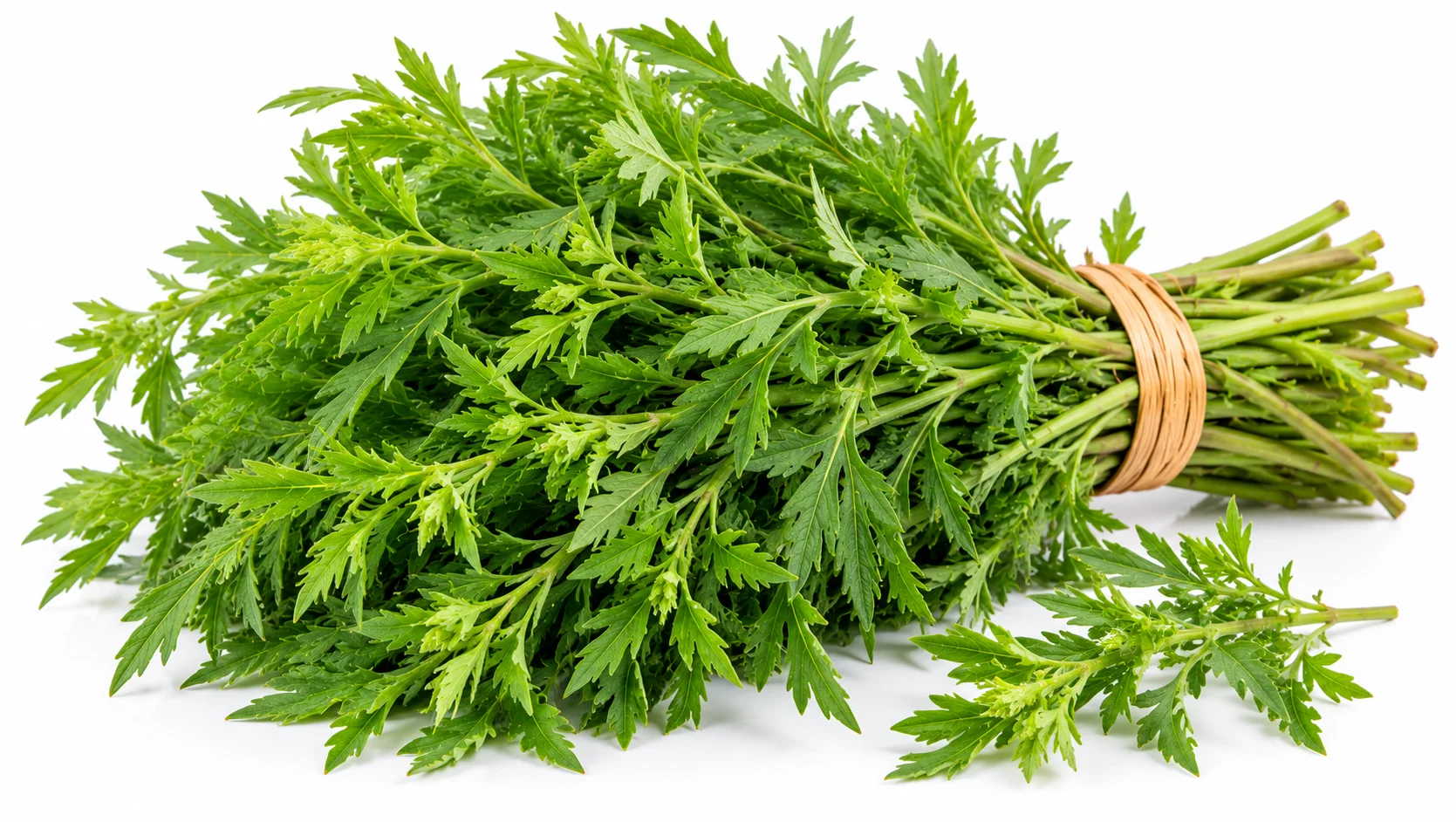
This image has been generated using AI for visual representation purposes only.
Discover Madurai Marikolunthu (Davana), a GI-registered regional product associated with Madurai, celebrated for its local heritage and traditional craftsmanship or production.
Madurai Marikolunthu (Davana) is a GI-registered aromatic herb (locally called Marikolunthu or Davana) associated with Madurai district in Tamil Nadu, India. The plant (recorded in the GI application as Artemisia pallens) is cultivated for its fragrant leaves, stems and flowers and for the essential oil extracted from them; it is used fresh in garlands and floral decorations and processed for its aromatic oil. ()
The GI application and supporting documents record Madurai Marikolunthu as native to and predominantly cultivated in and around Madurai and neighbouring districts (including Dindigul and Theni). Documentary material cited in the application traces references to the plant from nineteenth‑century sources and records its traditional use in local temple festivals and floral decorations; use of the plant for oil production became more common in the mid‑20th century as essential‑oil extraction expanded. The GI application also notes cultural references (for example, local songs and festival reports) that link the plant historically to Madurai’s temple rituals and the Chithirai festival. ()
Madurai Marikolunthu has an established role in local flower‑use traditions: it is documented as a floral offering and decorative flower for temple ceremonies (including the Meenakshi Sundareswarar temple and the Chithirai festival), as well as a component in garlands and bouquets. The GI application records these community and ritual practices as part of the product’s traditional significance. ()
Botanical identity recorded as Artemisia pallens (family Asteraceae). The plant is a small to medium erect annual (about 40–60 cm tall) grown primarily in red and loamy soils of the Madurai region. It is valued for a sweet, warm, fruity and slightly balsamic aroma; the essential oil (obtained from leaves and stems) is described in the GI documentation as a viscous, pale oil with a penetrating, fruity‑woody fragrance. Seasonal timing (winter cultivation, flowering November–March) and harvest at specific flowering stages are noted in the GI record as influencing oil content and the aromatic profile. ()
Seed sowing and crop growth (typically a winter/stubble crop with about 120 days to harvest), harvesting at the flowering stage, air‑drying of the harvested herb (where required for oil extraction), and extraction of essential oil from leaves and stems by steam distillation. After distillation water and oil layers are separated and the oil collected; timing of harvest (full emergence of flower heads versus later stages) is recorded as affecting oil yield and composition. ()
Manual harvesting timed to flower‑head emergence for both fresh market use (garlands and temple offerings) and for oil extraction. Traditional knowledge recorded in the GI application emphasises seasonal planting and harvest timing (winter months) to maximise fragrance and oil constituents. Local practice includes preparing fresh sprigs for garlands and air‑drying flowering herb for distillation. ()
Documented regional importance includes cultural and religious uses (temple offerings, festival decoration) in Madurai, and use as an aromatic raw material for perfumes, floral decorations and essential‑oil production. The GI application frames the product as part of Madurai’s horticultural and ritual flower traditions and as an ingredient valued for its distinctive fragrance. ()
Madurai Marikolunthu (Davana) is registered as a Geographical Indication (Application No. 740; Certificate No. 661). The GI application was filed on 11‑02‑2021 and the certificate date recorded in the registry is 27‑03‑2025; the geographic area of production is specified as parts of Tamil Nadu. ()
The GI documentation records the plant as Artemisia pallens (Asteraceae). The crop is typically sown and harvested as a winter crop; harvest and oil quality are linked to specific flowering stages. ()
The GI record documents longstanding use of Madurai Marikolunthu in temple ceremonies and festival decorations (notably the Chithirai festival and other regional religious observances), where fresh sprigs are used in garlands and to adorn temple palanquins. ()
Madurai Marikolunthu is specifically connected to Madurai’s temple culture (Meenakshi Sundareswarar temple) and festival traditions (notably the Chithirai festival); the GI documentation records its ceremonial use in decorating deity palanquins and as a customary offering in local rituals, and notes local beliefs linked to offering the flower in village shrines. ()
The GI documentation notes that the plant’s fragrance is strongest around harvest and records that the aromatic quality of freshly harvested material is detectable for a short period post‑harvest; practitioners in the GI record emphasise timely use or processing for oil to retain aroma. Specific commercial shelf‑life or storage protocols are not detailed in the GI specification. ()
Madurai Marikolunthu (locally called Davana) is an aromatic herb recorded in the GI application as Artemisia pallens, cultivated in and around Madurai for its fragrant leaves, stems and flowers and for essential‑oil extraction. ()
The GI documentation records the crop as primarily a winter crop, with growth and flowering from around November to March; the plants are typically ready for harvest after about 120 days from sowing, and harvest timing at specific flowering stages is important for oil quality. ()
According to the GI specification, leaves and stems (and flowering herb where used) are air‑dried or used fresh and the essential oil is obtained by steam distillation; the oil and water layers are separated and the oil collected. Harvest timing affects yield and composition. ()
The GI application documents its use as a floral offering and decorative flower in Madurai’s temple traditions and festivals (including the Chithirai festival) and as a component in garlands and bouquets used in regional rituals. ()
Yes. The product is registered as a Geographical Indication in the Government of India registry (Application No. 740; Certificate No. 661; certificate date 27‑03‑2025). ()
This image has been generated using AI for visual representation purposes only.
Let Karthi Travels help you plan a comfortable and memorable journey across Tamil Nadu.
Experience, Trust & Memories Built Over the Years





Your journey is in experienced hands, from planning to the final drop.

No hidden charges. Clear and upfront pricing.

Clean, inspected and well-serviced vehicles for a comfortable journey.

Professional drivers focused on safe and pleasant travel.

Dependable pickups and reliable travel service.
Travel Made Simple, Experiences Made Grand

Explore the best of each destination with our curated sightseeing tours.

Perfect for families and groups, planned with comfort, safety and flexibility in mind.

Peaceful and spiritually enriching journeys with carefully planned routes.

Personalised honeymoon tours and romantic destinations for your special journey.

Compliant and well-documented tour plans to make the most of your travel concession.
 WhatsApp Us