
Karthi Travels®
ISO 9001:2015 Certified
Nagercoil, Kanniyakumari district, Tamil Nadu, Kanniyakumari
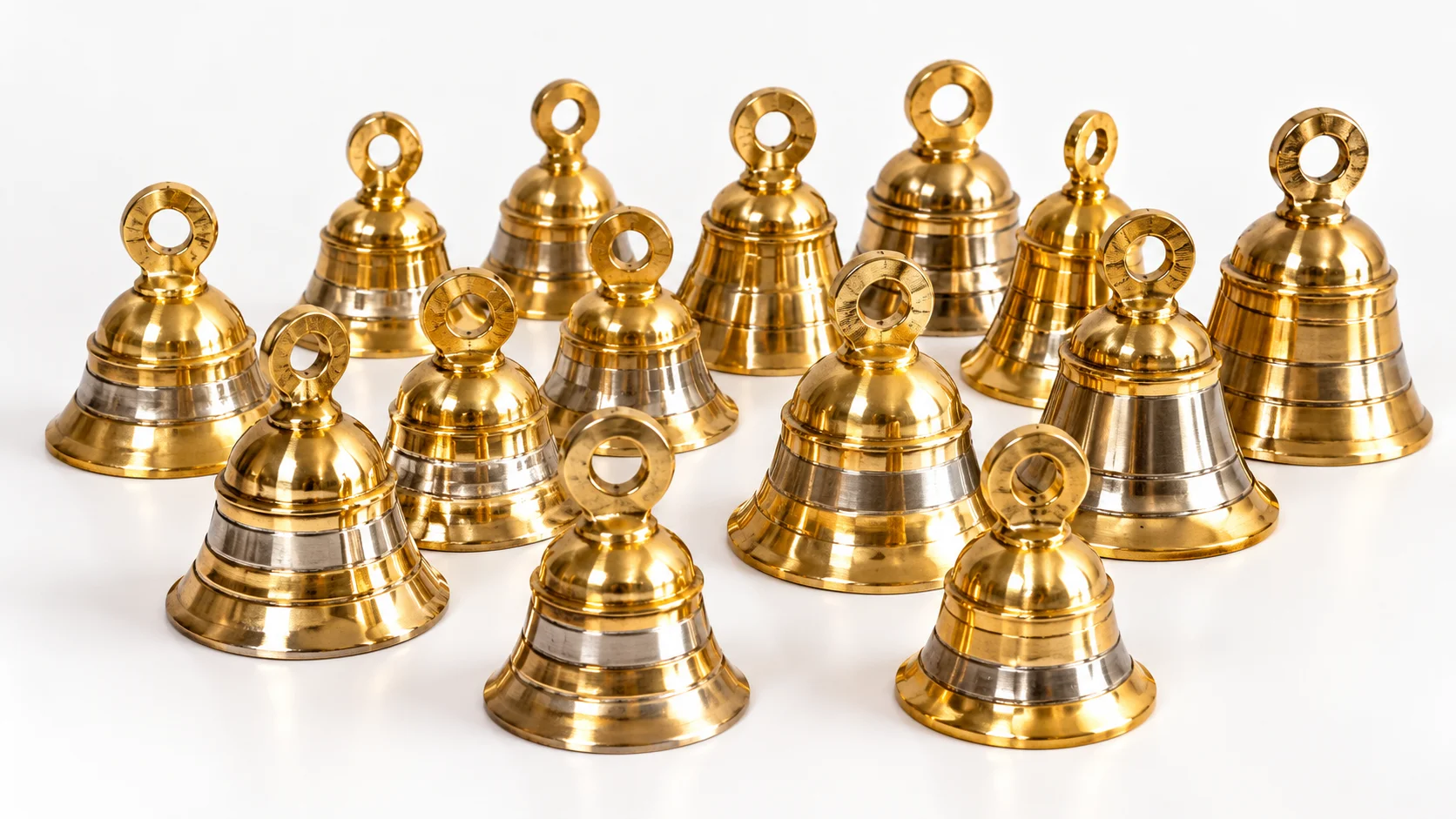
This image has been generated using AI for visual representation purposes only.
A candidate profile for researching brass and bell-metal objects associated with Nagercoil and its regional craft traditions.
Nagercoil Brass and Bell-Metal Ware refers to brass and bell-metal articles available in Nagercoil, the principal commercial centre of Kanniyakumari district in southern Tamil Nadu. These metal products may include household vessels, bowls, plates, lamps, ritual accessories, decorative objects, and other traditional-style articles, depending on the retailer. Brass is an alloy primarily composed of copper and zinc, whereas bell metal is generally a copper-tin alloy. Both materials have been used in India to produce objects valued for their appearance, durability, and suitability for different forms of metalworking. Brassware commonly has a golden-yellow appearance, while bell-metal objects may have a deeper, more muted metallic colour. Their surface finishes vary according to the alloy, manufacturing technique, polishing, and age of the item. Nagercoil's markets provide visitors with opportunities to explore traditional household goods and metal articles alongside other regional products. However, the name of this product category identifies a place where such items may be sold; it does not establish that every article is manufactured in Nagercoil or represents a distinct local craft tradition. Travellers interested in locally made products should ask retailers about the workshop, manufacturer, material composition, and production process. The general category should not be described as Geographical Indication (GI)-registered without specific supporting evidence. Buyers should also distinguish decorative metalware from utensils intended for cooking, serving, or drinking, as suitability for food contact depends on the alloy, surface finish, and manufacturer's specifications.
Brass and bell-metal objects have a long history of use across India. These materials have been fashioned into household vessels, lamps, religious accessories, musical objects, and decorative articles using different metalworking techniques. Brass is generally made from copper and zinc, while traditional bell metal commonly contains copper and tin. The properties of these alloys allow them to be shaped into a wide variety of forms, although the manufacturing method depends on the object and intended use. In Tamil Nadu, metal objects are associated with domestic life, religious observances, festivals, and traditional decoration. Kanniyakumari district has a cultural setting shaped by Tamil traditions and its location near Kerala, but this regional context alone does not establish a specific history of brass or bell-metal manufacturing in Nagercoil. The city's role as a commercial centre means that metalware available in local shops may include products from several manufacturing locations. The precise history of an individual article depends on its maker, production location, and technique. Buyers who want to learn about a product's background can ask the seller for details about the workshop and the methods used. Without specific documentation, it is more accurate to describe Nagercoil Brass and Bell-Metal Ware as a regional product category available in the town rather than claim that all such objects originate from a single historic Nagercoil craft tradition.
Metal vessels, lamps, and ritual accessories have a place in many Indian households and religious settings. Depending on their design, brass and bell-metal objects may be used for holding offerings, arranging ceremonial items, decorating homes, or serving practical household purposes. Traditional-style metal articles may also be purchased for weddings, housewarmings, festivals, and other family occasions. Their significance depends on the object and the customs of the household using it. Not every brass or bell-metal product has a religious function, and the presence of these products in Nagercoil does not by itself establish a unique local ritual tradition. Buyers should choose articles according to their intended purpose and confirm that functional utensils meet appropriate material and safety requirements.
Brass and bell-metal ware can be distinguished by differences in alloy composition, colour, sound, weight, and finish, although visual inspection alone cannot reliably identify every alloy. Brass commonly has a golden-yellow appearance, while bell metal, which is generally based on copper and tin, may have a slightly different colour and tonal quality. Products may have smooth, polished surfaces, hammered textures, cast forms, engraved patterns, or ornamental details. Available designs depend on the manufacturer and retailer and may include plates, cups, bowls, pots, lamps, and small decorative pieces. The quality of an individual article depends on the material specification, thickness, construction, finish, and intended use. Some products may be solid alloy, while others may be plated or combine different materials. Buyers should not rely on colour or a seller's broad description alone; they should ask for the exact material and whether the item is intended for food contact.
The production process varies according to the type of alloy, the design, and the manufacturer. The maker first selects suitable metal or an alloy with the required properties. Depending on the article, the material may be cast in a mould, shaped from sheet metal, spun, or worked through hammering and other forming operations. Once the basic shape is produced, excess material is removed and the surface is refined. Components such as handles, rims, or decorative fittings may be attached where needed. The object is then polished or given another appropriate surface treatment, followed by inspection for visible defects and finishing quality. Casting can be useful for objects with three-dimensional forms, while sheet-metal forming and hammering may be used for certain vessels and plates. The exact process cannot be assumed from the product's availability in Nagercoil. Buyers seeking handcrafted articles should ask the seller which steps are completed by hand and where the product was manufactured.
Traditional Indian metalworking includes casting, hammering, shaping, turning, engraving, and manual polishing. Artisans may use moulds, hammers, anvils, shaping tools, and finishing equipment to create vessels and decorative articles. The techniques selected depend on the alloy and the design. Bell-metal and brass objects may be produced using different methods, and not every technique is suitable for every product. Some contemporary workshops combine traditional hand-finishing with mechanised production. These methods describe broader Indian metalworking practices rather than a verified, exclusive Nagercoil technique. If a product is advertised as handmade or traditionally crafted, buyers can ask the seller about the workshop, production method, and extent of manual work involved.
Nagercoil Brass and Bell-Metal Ware can interest travellers looking for traditional-style metal objects, household accessories, ritual articles, and decorative souvenirs. Such products reflect the wider Indian use of copper-based alloys in domestic and cultural settings. Their appeal may come from their metallic finish, practical form, decorative details, or suitability as gifts. Product quality and value depend on the material, weight, workmanship, dimensions, finish, and manufacturer. As brass and bell-metal goods are produced in many parts of India, shoppers should distinguish between purchasing an item in Nagercoil and confirming that it was manufactured there. This general category should not be represented as a GI-registered product or a uniquely Nagercoil-origin craft without reliable documentation.
The category includes brass, generally made from copper and zinc, and bell metal, generally made from copper and tin.
Depending on the retailer's stock, products may include vessels, plates, cups, bowls, lamps, and decorative objects.
Brass often has a golden-yellow appearance, while bell-metal items may have a different tone and surface character.
Some articles feature cast shapes, hammered surfaces, engraved details, or ornamental finishing.
Selected metal articles may be suitable as gifts or decorative reminders of a visit to Kanniyakumari district.
Ask about alloy composition, manufacturing location, workmanship, and suitability for the intended use before purchasing.
Brass and bell-metal articles form part of the wider material culture of India, where metal vessels, lamps, and decorative objects appear in homes, festivals, and religious settings. In Tamil Nadu, selected metal objects are used for household arrangements and ceremonial purposes, while others serve as practical utensils or decorative pieces. Kanniyakumari district's cultural environment reflects regional traditions and influences from neighbouring areas, but this broader context should not be used to attribute a particular manufacturing history to every metal product sold in Nagercoil. Visitors can explore local shops to compare materials, forms, and finishes and can ask sellers whether products are made by nearby artisans or sourced from elsewhere. Supporting a local maker is easier when the retailer can identify the workshop and explain the production process.
Brass and bell-metal articles do not have a conventional food-style shelf life, but their appearance and condition can change through oxidation, humidity, handling, and exposure to cleaning chemicals. Keep items dry and store them in a clean, dry place. Follow the manufacturer's cleaning instructions and use a soft cloth to avoid scratching the surface. Abrasive cleaners or harsh chemicals may damage polishing, lacquer, plating, or decorative finishes. For articles with handles or attached fittings, inspect the joints periodically. Do not assume that a decorative vessel is suitable for cooking, serving food, or storing drinking water. Brass and bell metal have different compositions, and food-contact suitability depends on the exact alloy, finish, and intended application. In particular, acidic foods can react with some copper-containing metals. Obtain clear confirmation from the manufacturer before using any article for food or drinking-water contact.
It is a product category for brass and bell-metal articles available in Nagercoil, Kanniyakumari district. Depending on the retailer, it may include household vessels, ritual accessories, lamps, and decorative metalware.
Brass is primarily an alloy of copper and zinc, while bell metal is generally an alloy of copper and tin. Exact compositions vary, so ask the seller for the material specification.
The general product category should not be assumed to have Geographical Indication registration. Check the official GI Registry if a seller claims a particular item is GI-registered.
Not necessarily. Products sold in Nagercoil may be manufactured locally or sourced from other metalworking centres. Ask the seller about the workshop and actual place of manufacture.
Depending on the shop's stock, items may include cups, plates, bowls, pots, lamps, ritual accessories, and decorative metal objects.
Only use an item for cooking if the manufacturer explicitly confirms that it is designed and suitable for that purpose. Alloy composition and surface treatment affect its suitability.
Do not assume that every brass or bell-metal vessel is safe for drinking-water storage. Confirm that the manufacturer approves the specific product for this use.
Keep them dry, clean them according to the manufacturer's instructions, and avoid abrasive materials or harsh chemicals that may damage the finish.
Check the material composition, weight, workmanship, finish, manufacturing location, and intended use. For functional utensils, confirm food-contact suitability with the manufacturer.
This image has been generated using AI for visual representation purposes only.
Let Karthi Travels help you plan a comfortable and memorable journey across Tamil Nadu.
Experience, Trust & Memories Built Over the Years





Your journey is in experienced hands, from planning to the final drop.

No hidden charges. Clear and upfront pricing.

Clean, inspected and well-serviced vehicles for a comfortable journey.

Professional drivers focused on safe and pleasant travel.

Dependable pickups and reliable travel service.
Travel Made Simple, Experiences Made Grand

Explore the best of each destination with our curated sightseeing tours.

Perfect for families and groups, planned with comfort, safety and flexibility in mind.

Peaceful and spiritually enriching journeys with carefully planned routes.

Personalised honeymoon tours and romantic destinations for your special journey.

Compliant and well-documented tour plans to make the most of your travel concession.
 WhatsApp Us