
Karthi Travels®
ISO 9001:2015 Certified
The Nilgiris, Tamil Nadu
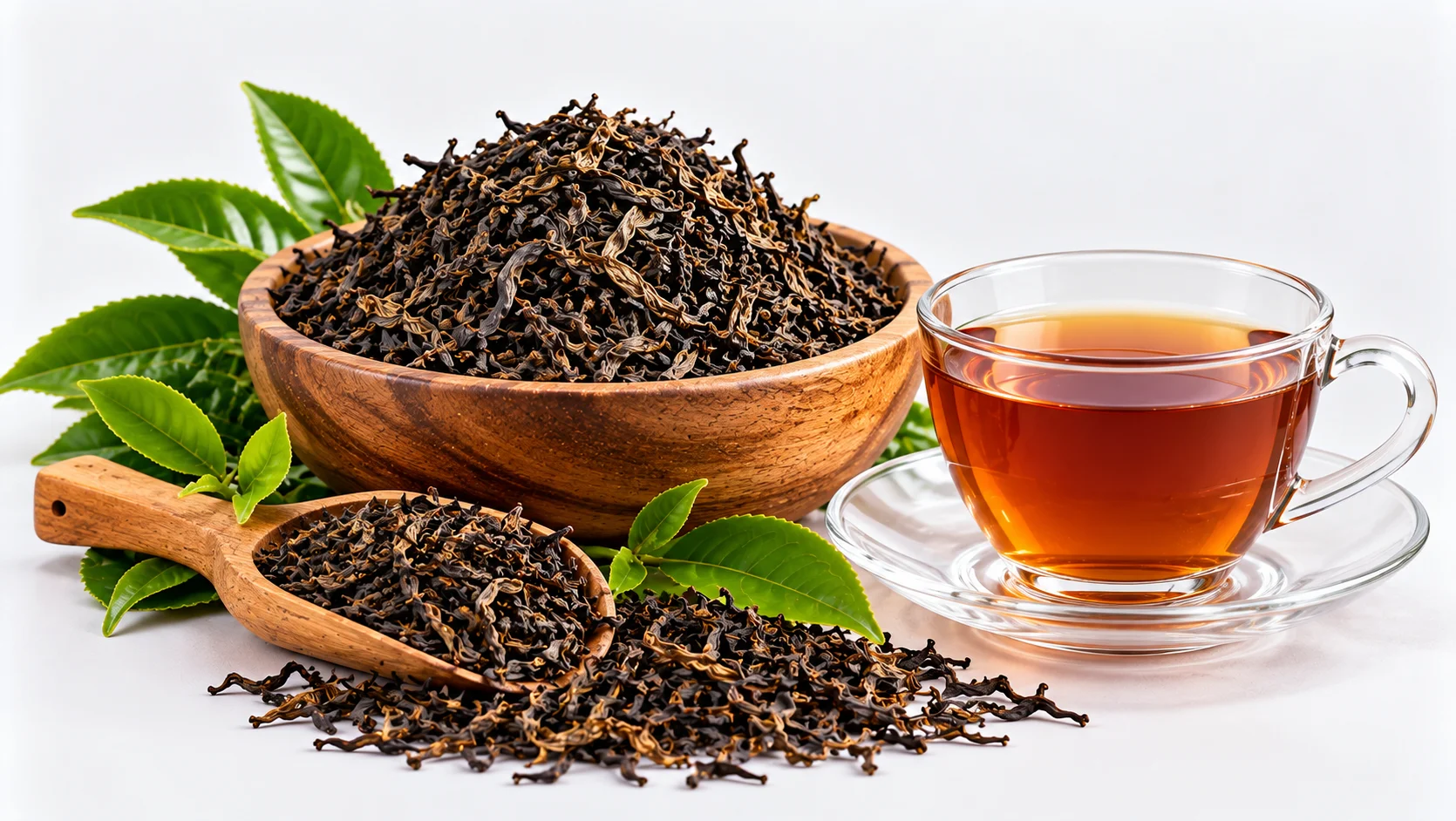
This image has been generated using AI for visual representation purposes only.
Discover Nilgiri (Orthodox) Tea, a GI-registered regional product associated with The Nilgiris, celebrated for its local heritage and traditional craftsmanship or production.
Nilgiri (Orthodox) Tea is a Geographical Indication (GI)–registered orthodox black tea produced, processed and certified within the tea estates of The Nilgiris district. It is defined and protected by the Tea Board of India’s regulations and certification marks and is associated specifically with estates and factories listed by the Proprietor (Tea Board). ()
Tea cultivation in the Nilgiris developed during the 19th and early 20th centuries as estates were established in the high-elevation hills of The Nilgiris. The Tea Board of India obtained registration of the NILGIRI (Orthodox) word and logo as Geographical Indications under the Geographical Indications of Goods (Registration and Protection) Act, 1999 on 19 November 2007. Since registration, the Tea Board has maintained regulations and a licensing program that define the geographic area, the estates and processing factories eligible to use the NILGIRI (Orthodox) certification marks and the organoleptic standards required for certification. The Tea Board’s regulations also require annual reporting and monitoring by authorized users to protect the integrity of the name. ()
The product uses inherited regional tea-growing and orthodox whole-leaf processing practices developed in the Nilgiris estates. Local estate management, plucking practices (fine plucking of young shoots), and factory-level orthodox manufacture (withering, gentle rolling, controlled oxidation and drying) are embodied in the certification regulations and the Tea Board’s licensing program. The Tea Board’s scheme formalises these customary estate and factory practices for the NILGIRI (Orthodox) certification. ()
Nilgiri (Orthodox) Tea is described in the certification regulations as delicately fragrant and exquisitely aromatic with high tones of delicate floral notes; it produces a golden-yellow liquor that is brisk and bright with lingering floral notes and a creamy mouthfeel. These organoleptic characteristics are attributed in the regulations to the combination of plant genetics, soil chemistry, elevation, temperature, rainfall and relative humidity of the Nilgiris, together with fine plucking and orthodox manufacturing conditions. The certification rules require that tea labelled NILGIRI (Orthodox) be produced, processed and tested to meet these characteristic profiles. ()
Production follows orthodox tea manufacture practiced in the Nilgiris: (1) cultivation and fine plucking of young shoots on registered estates in the defined geographic area; (2) withering to reduce leaf moisture; (3) rolling (or shaping) to bruise leaves and distribute enzymes; (4) controlled oxidation/fermentation to develop black-tea flavours; (5) drying/firing to arrest oxidation and stabilise moisture; (6) sorting, grading and packing in factories located within the geographic area; (7) assessment by expert tea tasters on behalf of the Proprietor to confirm that the tea meets the sensory characteristics required for NILGIRI (Orthodox) certification. The Tea Board’s regulations require that cultivation, processing and packing occur in the listed estates and factories for certification. ()
Use of orthodox whole-leaf manufacturing methods (withering, hand or machine-assisted rolling/shaping, controlled oxidation and gentle drying) rather than CTC (crush–tear–curl) mass-production methods. The certification emphasizes whole-leaf orthodox manufacture and organoleptic testing by expert tasters as part of the traditional/established method for NILGIRI (Orthodox). ()
Nilgiri (Orthodox) Tea is an agricultural product tied to the identity and economy of The Nilgiris district. The Tea Board’s certification and licensing program recognises the region’s distinct growing conditions and processing tradition and aims to protect the name and the integrity of estate- and factory-origin NILGIRI (Orthodox) tea in domestic and export markets. The district’s climate and elevations contribute to the organoleptic profile that the certification protects. ()
The NILGIRI (Orthodox) word and logo are registered certification marks administered by the Tea Board of India; their use is controlled through a licensing program and regulations that define eligible estates, factories and sensory standards. ()
The certification specifies the Nilgiris geographic area (including taluks such as Coonoor, Kundah, Udhagamandalam and Kotagiri) and requires estate registration and in‑area processing for eligibility to use the NILGIRI (Orthodox) mark. Estates and factories must meet statutory registration requirements. ()
Certification regulations describe the tea as delicately fragrant with floral notes and a golden-yellow liquor that is brisk, bright and has a creamy mouthfeel — characteristics used to judge conformity for certification. ()
Tea plantations and estate culture are a visible part of The Nilgiris’ landscape and local identity. The certification and the estate-based production model are integrated with regional agricultural practice and the district’s tea heritage, which is referenced in regional tourism and agricultural literature about the Nilgiris. ()
The NILGIRI (Orthodox) word and logo are certification marks owned by the Tea Board of India; only tea grown on listed estates, processed in factories within the specified Nilgiris geographic area and certified to meet the regulations and sensory standards may use the marks. The Tea Board controls licensing and annual reporting to protect the integrity of the name. ()
The certification specifies estates and factories within The Nilgiris district — including taluks such as Coonoor, Kundah, Udhagamandalam and Kotagiri — at elevations and microclimates listed in the Tea Board schedules. Estates and factories must be registered with the Proprietor to qualify. ()
Orthodox Nilgiri tea is produced by whole‑leaf orthodox methods (withering, rolling/shaping, controlled oxidation and gentle drying) that preserve leaf structure and aromatic compounds; CTC (crush–tear–curl) manufacture produces granular fannings and dust intended for rapid infusion and different end uses. The NILGIRI (Orthodox) certification specifically covers orthodox whole‑leaf manufacture. ()
The Tea Board’s documents record that the NILGIRI (Orthodox) word and logo were registered as Geographical Indications / certification marks on 19 November 2007, and the Board administers regulations and a licensing program under that registration. ()
No. The NILGIRI (Orthodox) certification applies only to tea that meets the specific criteria in the Tea Board’s regulations and that is authorised by license to use the certification marks. Teas labelled more generally as 'Nilgiri' or produced by other methods (for example CTC) are not automatically entitled to use the NILGIRI (Orthodox) mark. ()
This image has been generated using AI for visual representation purposes only.
Let Karthi Travels help you plan a comfortable and memorable journey across Tamil Nadu.
Experience, Trust & Memories Built Over the Years





Your journey is in experienced hands, from planning to the final drop.

No hidden charges. Clear and upfront pricing.

Clean, inspected and well-serviced vehicles for a comfortable journey.

Professional drivers focused on safe and pleasant travel.

Dependable pickups and reliable travel service.
Travel Made Simple, Experiences Made Grand

Explore the best of each destination with our curated sightseeing tours.

Perfect for families and groups, planned with comfort, safety and flexibility in mind.

Peaceful and spiritually enriching journeys with carefully planned routes.

Personalised honeymoon tours and romantic destinations for your special journey.

Compliant and well-documented tour plans to make the most of your travel concession.
 WhatsApp Us