
Karthi Travels®
ISO 9001:2015 Certified
Panruti, Cuddalore, Tamil Nadu
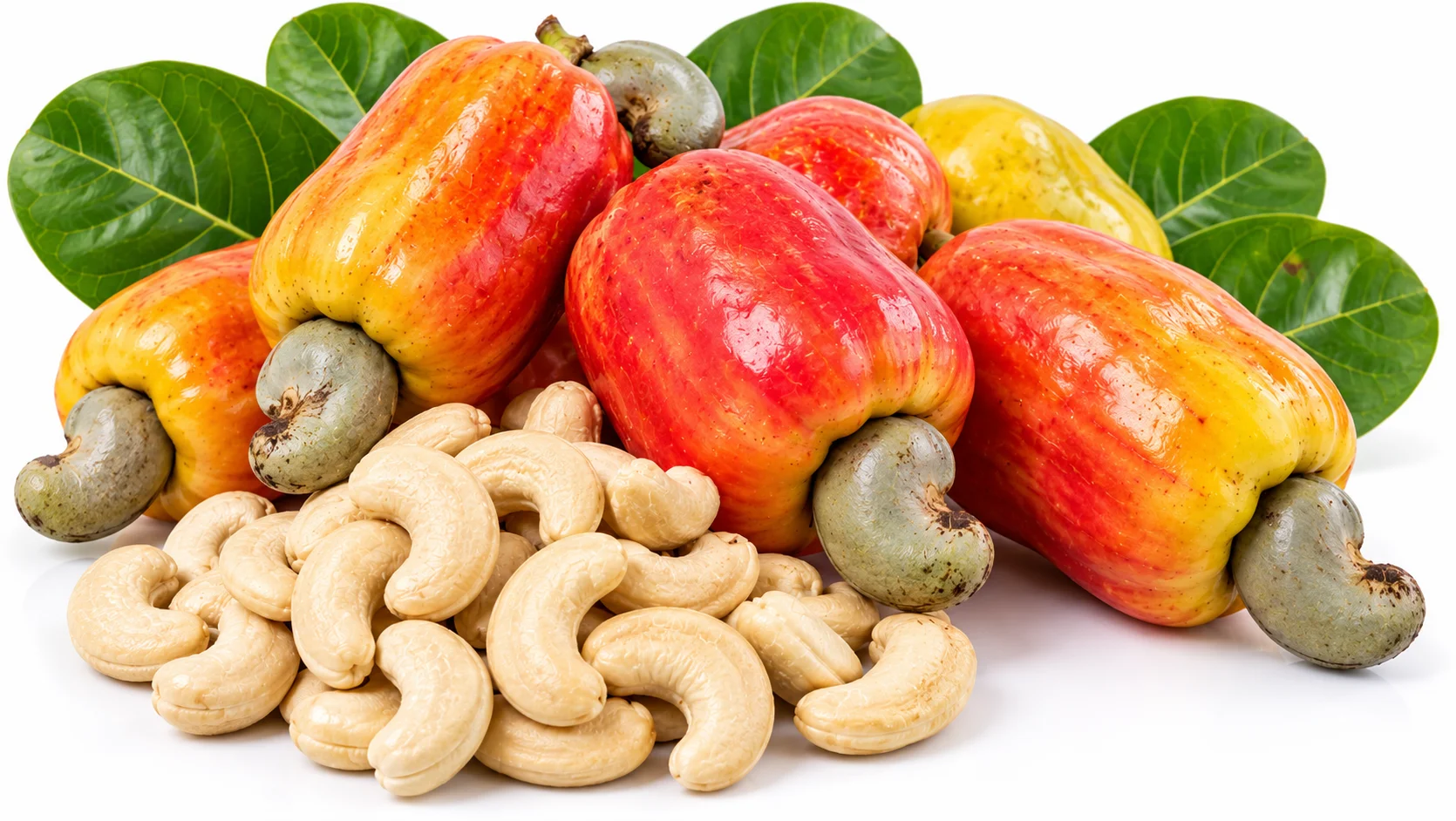
This image has been generated using AI for visual representation purposes only.
Discover Panruti Cashew, a GI-registered regional product associated with Panruti, celebrated for its local heritage and traditional craftsmanship or production.
Panruti Cashew (locally known as Panruti Munthiri) is a GI-registered agricultural product from the Panruti area of Cuddalore district, Tamil Nadu, India. The GI recognizes cashew kernels produced and processed with the regional identity associated with Panruti and neighbouring areas. ()
A formal GI application for Panruti Cashew was filed through recognised local bodies and the product is registered at the Geographical Indications Registry (application number 837). The IP Registry entry records the filing and registration details, including certificate number and dates, establishing the product's official GI status. The Panruti region has a documented history of cashew cultivation and cashew-processing activity that underpins the GI application and registration. ()
Cashew cultivation and small-scale processing are long-standing livelihood activities in and around Panruti. Local processing and grading form an important cottage-industry activity—including significant participation by women—which has been documented in district- and state-level sources. These locally inherited practices contributed to the GI application. ()
Documents and local government descriptions associate Panruti Cashew with a distinct taste and compositional attributes reported for the region (including a cited protein content figure and relatively low moisture), and with cultivation on coastal sandy, loamy and gravelly soils around Panruti. Local flowering and harvest timing (flowering in February–March; harvest in April–May) are also noted as part of the region’s cropping cycle. These characteristics are cited in official district material used in the GI record. ()
According to the regional description in GI-related and district sources, production begins with cashew cultivation in the Panruti area (flowering in February–March, harvest in April–May), followed by post-harvest handling and processing at local units. Processing activity in the area includes breaking/shelling, grading of kernels and production of by-products such as cashew oil and oil-cake (referred to in local sources). Many small and medium processing units operate in and around Panruti to prepare graded kernels for markets and export. ()
The region has an established cottage-level processing tradition (small-scale breaking, grading and related activities) that supports household and women-led employment. The GI application and local administration material describe these traditional, community-based processing practices without detailing proprietary industrial methods. ()
Panruti Cashew is locally significant for regional livelihoods, processing employment and as part of Panruti’s agricultural identity. Official district material and national agricultural summaries document the area’s role in cashew production and processing, links to export-oriented activities, and the contribution of cashew-related cottage industries to local employment. The GI registration recognises and protects the product name tied to this geographic origin. ()
Panruti Cashew is registered with the Geographical Indications Registry (Application No. 837; Certificate recorded in the registry), recognising its geographical identity and providing legal protection for use of the name. ()
Cashews in the Panruti area are cultivated on coastal sandy, loamy and gravelly soils; flowering is reported in February–March with harvest completed in April–May in the local cropping cycle. ()
Panruti supports many processing units that break, grade and prepare kernels for market; local processing also yields value-added products such as cashew oil and oil-cake/press-cake used as a by-product. ()
Cashew cultivation and processing form part of Panruti’s regional agricultural identity alongside other local products; the cashew-processing cottage industry is an important source of seasonal and year-round employment in the area and contributes to community livelihoods. ()
Yes. Panruti Cashew is recorded at the Geographical Indications Registry under application number 837 and carries an official registration certificate in the registry. ()
The GI registration identifies the product with the Panruti area in Cuddalore district and more broadly with the region of Tamil Nadu cited in the GI application materials. ()
Local official descriptions highlight a distinctive regional taste profile, compositional claims reported for the area (including a cited protein content figure and comparatively low moisture), and cultivation on coastal sandy, loamy and gravelly soils around Panruti. These features form part of the product identity cited in GI documentation and district material. ()
Local sources used in the GI documentation report flowering in February–March and that harvest is typically completed in April–May. ()
The GI application lists the Tamil Nadu State Agricultural Marketing Board and the Tamil Nadu Cashew Processors and Exporters Association as applicants in the official registry entry. ()
This image has been generated using AI for visual representation purposes only.
Let Karthi Travels help you plan a comfortable and memorable journey across Tamil Nadu.
Experience, Trust & Memories Built Over the Years





Your journey is in experienced hands, from planning to the final drop.

No hidden charges. Clear and upfront pricing.

Clean, inspected and well-serviced vehicles for a comfortable journey.

Professional drivers focused on safe and pleasant travel.

Dependable pickups and reliable travel service.
Travel Made Simple, Experiences Made Grand

Explore the best of each destination with our curated sightseeing tours.

Perfect for families and groups, planned with comfort, safety and flexibility in mind.

Peaceful and spiritually enriching journeys with carefully planned routes.

Personalised honeymoon tours and romantic destinations for your special journey.

Compliant and well-documented tour plans to make the most of your travel concession.
 WhatsApp Us