
Karthi Travels®
ISO 9001:2015 Certified
Sholavandan, Madurai, Tamil Nadu
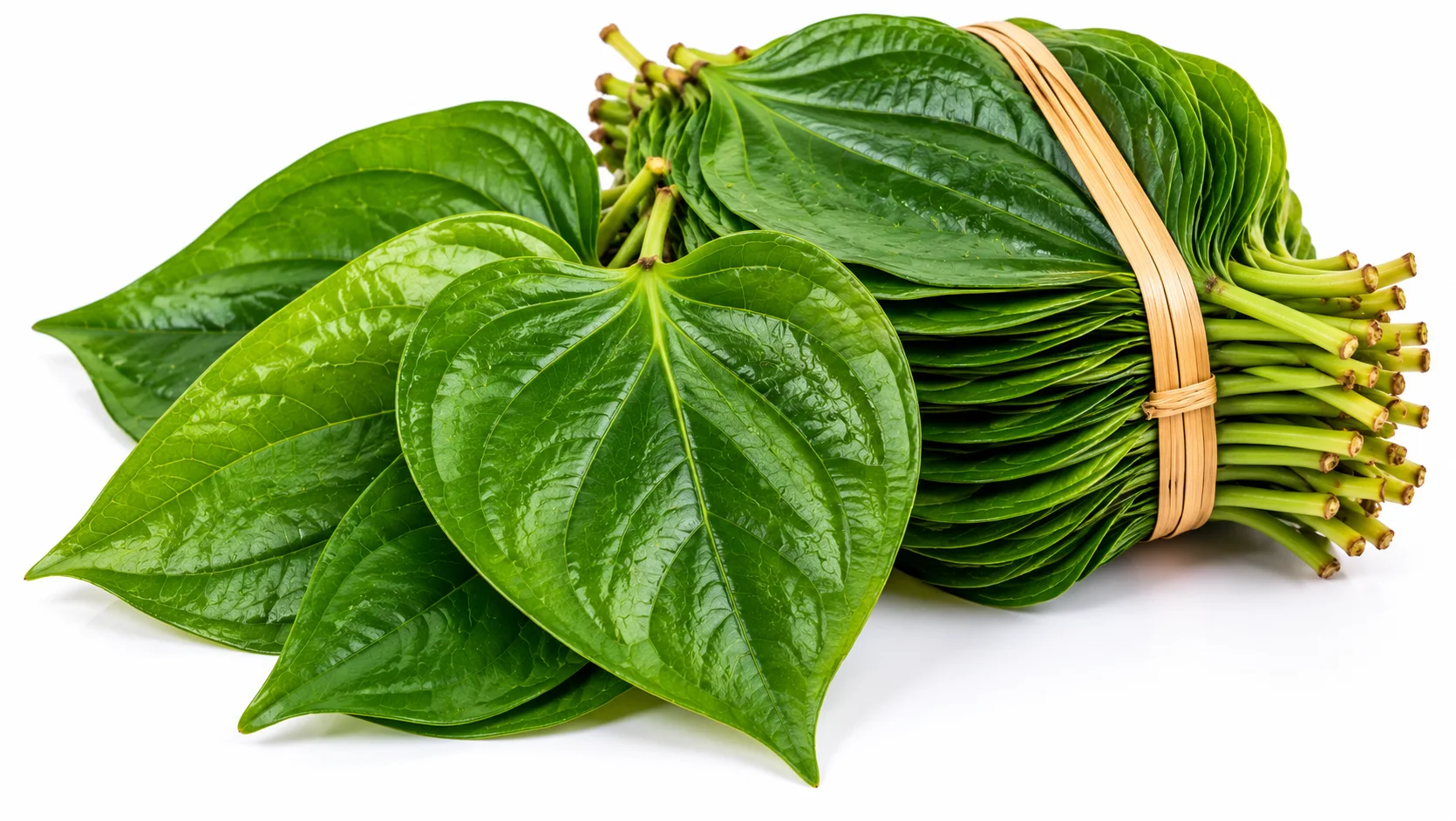
This image has been generated using AI for visual representation purposes only.
Discover Sholavandan Vetrilai, a GI-registered regional product associated with Sholavandan, celebrated for its local heritage and traditional craftsmanship or production.
Sholavandan Vetrilai is the regional betel leaf (vetrilai) variety associated with the town of Sholavandan in Madurai district, Tamil Nadu, India. It is a GI-registered agricultural product (registered as "Sholavandan Betel Vine (Vetrilai)") recognised for its regional identity and traditional local cultivation. ()
A GI application for Sholavandan Betel Vine (Vetrilai) was filed on 29 October 2021 and the product was registered with the Geographical Indications Registry (Certificate Date: 31 March 2023; Registration valid up to 28 October 2031). Historical references and local temple inscriptions are frequently cited in accounts of the product: local reporting and regional descriptions note an historical presence of betel cultivation in the Sholavandan area (including references in a temple inscription attributed to early centuries CE) and an established role of the crop in local agricultural life. Contemporary coverage describes efforts in the early 2020s to seek GI recognition and the formal registration noted above. ()
Sholavandan Vetrilai is part of local agricultural tradition in and around Sholavandan and nearby villages (reported cultivations include Sholavandan, Irumbadi, Mannadimangalam, Karuppatti, Mullipallam, Thuvariman). Local practices include supplying leaves for temple offerings and following age‑old rituals tied to nearby temples. These community and temple connections are documented in regional reporting and GI application material. ()
Regional accounts and the GI registration identify the product as the betel leaf grown in the Sholavandan area of Madurai. Local reporting describes cultivation on alluvial soils along the Vaigai riverbank and characterises the leaf as having a milder/low pungency taste profile often preferred for paan; some reports also note compositional differences identified in local assessments (references to higher levels of certain compounds reported in regional media). These soil and flavour associations are cited in regional sources and in the GI registry documentation. ()
Primary documented stages for betel-vine cultivation as practiced in Tamil Nadu (and relevant to regional betel leaf production) include: selection of planting material (Piper betle setts/cuttings), preparation of planting sites on riverine/alluvial soils where applicable, establishment of support structures/trellises for the climber, regular irrigation and shade/cover management, routine crop protection and nutrient management, hand-harvesting of mature leaves, grading and packing for market/temple use. These stages reflect standard horticultural practices for betel vine cultivation documented in regional agricultural literature and extension material; specific operational details for Sholavandan producers are recorded in the GI application documents and local reporting. ()
Documented traditional practices tied to the product include continued smallholder cultivation on family plots in the Sholavandan area and ritual use patterns (for example, customary supply of leaves to local temples such as references to Kallazhagar/Janakanarayana Perumal temple observances). Regional accounts also report intergenerational transmission of cultivation knowledge among local growers. ()
Sholavandan Vetrilai has agricultural and cultural significance in the Madurai area: it is part of the local cropping system, connected to temple rituals and offerings, and recognised as a geographically identified agricultural product through official GI registration. The GI recognition formalises the link between the leaf’s regional identity and its traditional production in the Sholavandan area. ()
Registered as "Sholavandan Betel Vine (Vetrilai)" under the Geographical Indications Registry; certificate issued 31 March 2023 (registration valid up to 28 October 2031). ()
Cultivated in and around Sholavandan (Madurai district); local reports list villages such as Sholavandan, Irumbadi, Mannadimangalam, Karuppatti, Mullipallam, and Thuvariman as cultivation locations. ()
Local accounts associate the leaf with alluvial soils along the Vaigai river and describe a milder (low-pungency) taste profile that makes it popular for paan and temple use. ()
Regional reporting and GI documentation record links between the Sholavandan leaf and local temple traditions, including historic mentions in temple inscriptions and ongoing customary supply of leaves for temple rituals. These cultural links contributed to the product’s local reputation and its GI application. ()
Yes. The product is registered with the Geographical Indications Registry as "Sholavandan Betel Vine (Vetrilai)"; the GI certificate was issued on 31 March 2023 (registration valid up to 28 October 2031). ()
It is grown in the Sholavandan area of Madurai district and in nearby villages reported in regional sources (examples include Sholavandan, Irumbadi, Mannadimangalam, Karuppatti, Mullipallam and Thuvariman). ()
Regional accounts associate Sholavandan Vetrilai with cultivation on alluvial soils along the Vaigai river and describe a milder/low-pungency flavour profile; local reporting also documents compositional differences noted in analyses reported in media coverage. ()
Yes. Local and regional sources describe historical and ongoing cultural ties — including temple-related practices and mentions of betel cultivation in local inscriptions — that form part of the product’s cultural identity. ()
No specific sub-varieties of Sholavandan Vetrilai are documented in the GI registration or the principal regional sources consulted for this profile; the GI designation applies to the betel leaf produced in the defined Sholavandan area. ()
This image has been generated using AI for visual representation purposes only.
Let Karthi Travels help you plan a comfortable and memorable journey across Tamil Nadu.
Experience, Trust & Memories Built Over the Years





Your journey is in experienced hands, from planning to the final drop.

No hidden charges. Clear and upfront pricing.

Clean, inspected and well-serviced vehicles for a comfortable journey.

Professional drivers focused on safe and pleasant travel.

Dependable pickups and reliable travel service.
Travel Made Simple, Experiences Made Grand

Explore the best of each destination with our curated sightseeing tours.

Perfect for families and groups, planned with comfort, safety and flexibility in mind.

Peaceful and spiritually enriching journeys with carefully planned routes.

Personalised honeymoon tours and romantic destinations for your special journey.

Compliant and well-documented tour plans to make the most of your travel concession.
 WhatsApp Us