
Karthi Travels®
ISO 9001:2015 Certified
Sirumalai Hills, Dindigul, Tamil Nadu
This image has been generated using AI for visual representation purposes only.
Discover Sirumalai Hill Banana, a GI-registered regional product associated with Sirumalai Hills, celebrated for its local heritage and traditional craftsmanship or production.
Sirumalai Hill Banana is a geographically identified hill banana variety grown in the Sirumalai Hills (Dindigul district) of Tamil Nadu, India. It is an agricultural GI-registered banana variety associated with local hill cultivation and with documented use in regional temple prasadam traditions. ()
Sirumalai Hill Banana was registered as a Geographical Indication in the name of the Tamil Nadu Hill Banana Growers Federation (application number 126). The certificate issued to the registered proprietor is recorded with certificate number 104 and certificate date 02/12/2008. The registration recognises the name’s association with banana cultivation in the Sirumalai Hills and the role of the Tamil Nadu Hill Banana Growers Federation in representing growers. The broader effort to protect hill banana ecotypes in the Palani–Sirumalai region has been driven by producers’ groups aiming to conserve hill-specific cultivars and to address crop losses from pests and diseases. ()
Sirumalai Hill Banana is traditionally cultivated in the hill slopes of the Sirumalai and adjacent Palani ranges and has been used in local temple prasadam preparations (notably in the Palani region) and other regional culinary contexts. Producer groups in the area maintain the hill-banana cultivars as part of local agricultural practice and cultural foodways. ()
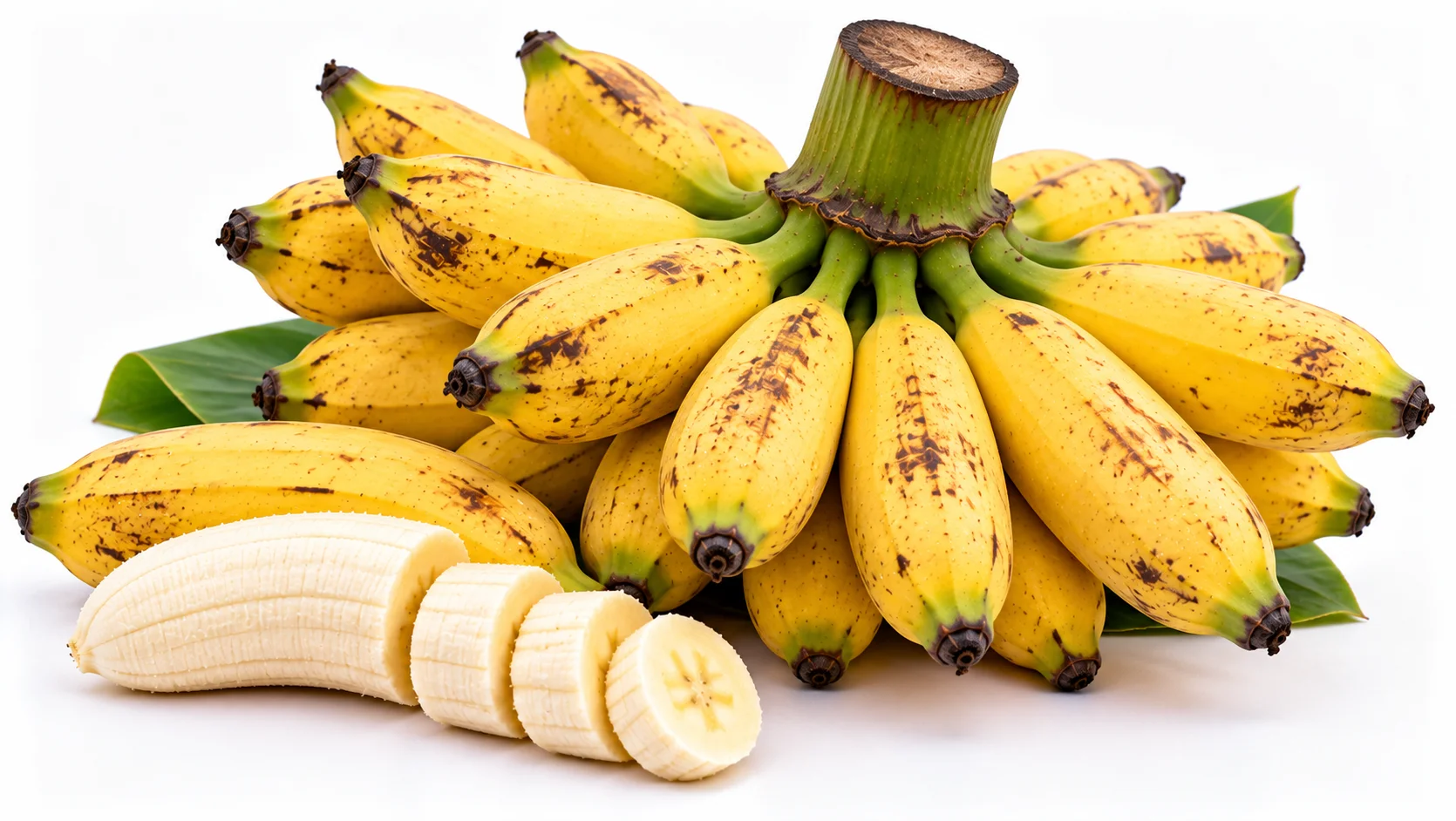
Documented descriptions of the Sirumalai hill banana note small to medium-sized fruits borne in compact bunches, ripe fruits that are yellow often with a green tinge, and a comparatively drier pulp texture when compared with some other hill banana ecotypes. The cultivar is classed among hill banana ecotypes with triploid AAB genomic constitution in published morpho-taxonomic treatments of regional hill bananas. These fruit and plant characteristics have been noted in agricultural literature reporting traits, maturation time and susceptibility to particular pests and diseases in hill environments. ()
Cultivation is undertaken on the slopes and lower elevations of the Sirumalai and nearby Palani hill ranges. Production follows hill-banana agronomic practices documented for the region: site selection on hill slopes, preparation of planting pits or terraces, planting of vegetative propagules, management of a multi-tier cropping environment (often interplanted with shade or companion crops such as coffee and pepper), routine field maintenance, and harvesting when bunches mature. The crop is affected by regionally important pests and diseases, which growers address as part of management. Maturation from planting to harvest has been recorded as taking over a year for many hill ecotypes. ()
Traditional/local hill cultivation practices recorded for the region include planting in pits or trenches on contour bunds suited to sloping land, use of vegetative propagation (suckers) for establishing new stools, and multi-tier intercrop arrangements with coffee and pepper. These methods reflect adaptations to the hilly terrain and the local smallholder cropping systems documented by agricultural studies. ()
Sirumalai Hill Banana has agricultural and cultural significance in the Sirumalai–Palani hill region: agriculturally as a locally adapted hill banana ecotype cultivated under multi-tier systems and culturally through its documented use in regional temple prasadam traditions. The GI registration recognises the product's link to its geographical origin and the role of local producer organisation(s) in representing that link. ()
Sirumalai Hill Banana is a registered Geographical Indication (certificate number 104, certificate date 02/12/2008) registered to the Tamil Nadu Hill Banana Growers Federation. ()
The variety is documented as a hill banana ecotype grown on the Sirumalai and nearby Palani ranges; published studies describe cultivation on hilly slopes and note the crop’s adaptation to those elevations. ()
Sirumalai Hill Banana is recorded in sources as one of the hill banana ecotypes used in regional temple prasadam preparations (for example in the Palani panchamirtham tradition when other hill bananas are in short supply). ()
The Sirumalai hill banana is tied to local foodways in the Palani–Sirumalai area; its role in temple prasadam traditions (notably Palani panchamirtham and similar local offerings) is part of its documented cultural connection to the region. Producer groups also regard maintenance of these hill cultivars as important to local agricultural identity. ()
Yes. Sirumalai Hill Banana is registered as a Geographical Indication in the name of the Tamil Nadu Hill Banana Growers Federation (certificate number 104; certificate date 02/12/2008). ()
It is grown on the Sirumalai Hills in Dindigul district and in nearby hill areas of the Palani range in Tamil Nadu; cultivation is associated with hill slope farming and multi-tier systems. ()
Regional agricultural descriptions note relatively small to medium fruits borne in compact bunches, a yellow fruit colour often with a green tinge at ripeness, and a drier pulp texture compared with some other hill banana ecotypes; the cultivar is treated in regional literature as an AAB hill ecotype. ()
Documented local uses include fresh consumption and use as an ingredient in temple prasadam traditions (for example Palani panchamirtham) and other regional culinary practices. ()
Authoritative sources consulted describe the cultivar’s drier pulp quality and its use in long‑lasting prasadam preparations, but do not provide standardized, published shelf‑life or household storage instructions specific to the fresh fruit. Where storage guidance is required, general post‑harvest handling practices for bananas are followed by growers and handlers. ()
This image has been generated using AI for visual representation purposes only.
Let Karthi Travels help you plan a comfortable and memorable journey across Tamil Nadu.
Experience, Trust & Memories Built Over the Years





Your journey is in experienced hands, from planning to the final drop.

No hidden charges. Clear and upfront pricing.

Clean, inspected and well-serviced vehicles for a comfortable journey.

Professional drivers focused on safe and pleasant travel.

Dependable pickups and reliable travel service.
Travel Made Simple, Experiences Made Grand

Explore the best of each destination with our curated sightseeing tours.

Perfect for families and groups, planned with comfort, safety and flexibility in mind.

Peaceful and spiritually enriching journeys with carefully planned routes.

Personalised honeymoon tours and romantic destinations for your special journey.

Compliant and well-documented tour plans to make the most of your travel concession.
 WhatsApp Us