
Karthi Travels®
ISO 9001:2015 Certified
Tirunelveli
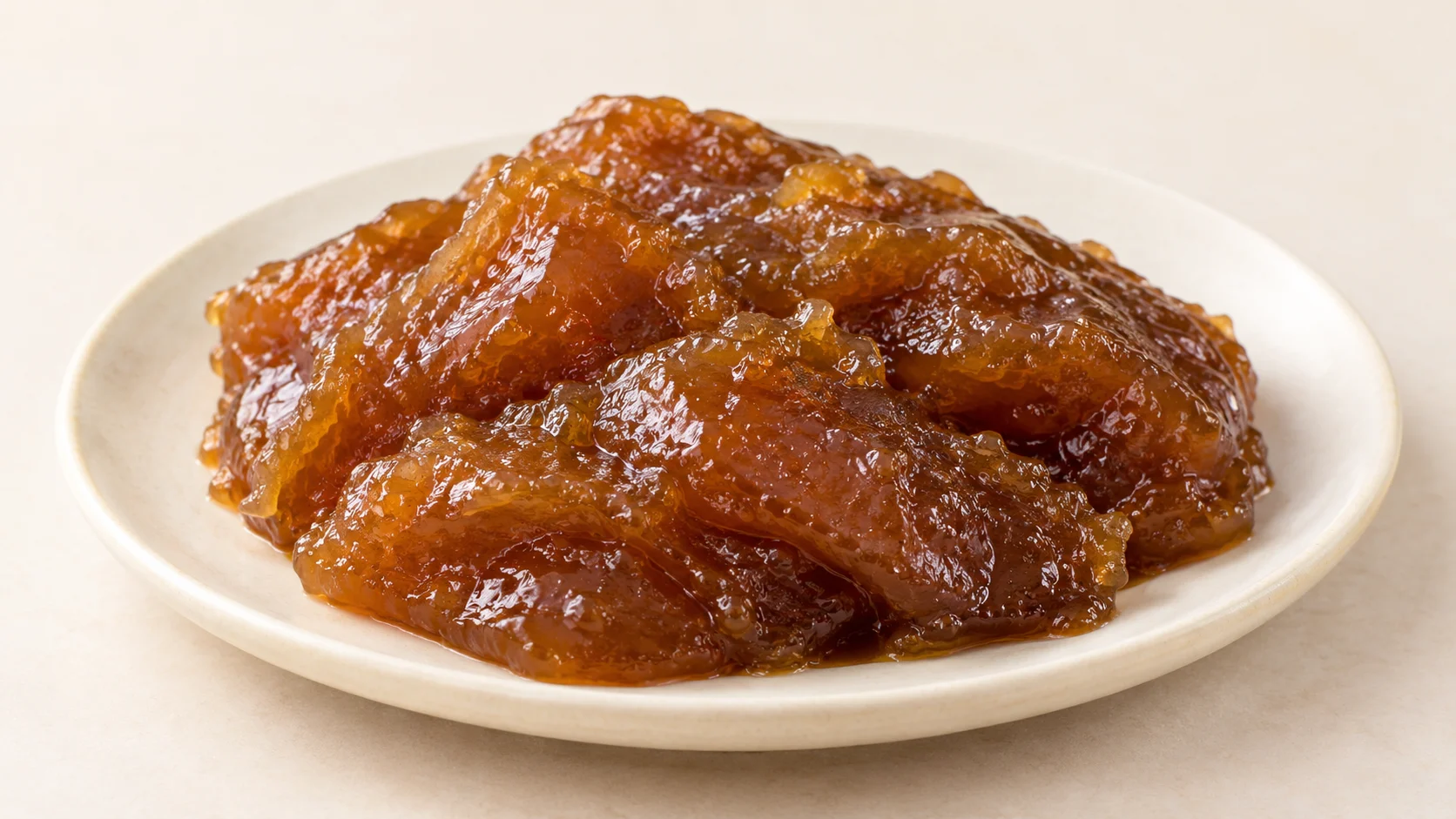
This image has been generated using AI for visual representation purposes only.
A glossy wheat-based sweet associated with Tirunelveli. Common methods extract a starch-rich liquid from wheat and cook it with sugar and ghee; accounts of its exact origin differ, so specific inventor and first-shop claims need careful sourcing.
Tirunelveli Halwa is a traditional South Indian confectionery associated with Tirunelveli in Tamil Nadu. It is primarily prepared using wheat extract, sugar and ghee, which are cooked together to produce a glossy, translucent sweet with a soft, cohesive and slightly elastic texture. Unlike semolina-based halwa, the characteristic Tirunelveli preparation involves extracting a starch-rich liquid from wheat before cooking. The gradual incorporation of ghee and the extended cooking process contribute to its distinctive consistency, rich flavour and amber-brown appearance. The sweet is closely associated with the culinary identity of Tirunelveli and represents an established regional confectionery tradition.
The precise origins and earliest development of Tirunelveli Halwa are not conclusively established, and different accounts describe its introduction to the region differently. One commonly circulated account associates its development with North Indian sweet-making traditions and the arrival of confectioners from Rajasthan. According to this narrative, cooks associated with the Lala community introduced or adapted wheat-based halwa preparation in the Tirunelveli region during the nineteenth century. Some accounts identify the late nineteenth century, particularly the 1880s, with the emergence of halwa shops in the city. Other historical narratives propose different dates and circumstances for the sweet's introduction. These accounts should not be treated as a single verified chronology. Over time, the wheat-based preparation became strongly associated with Tirunelveli, developing a regional identity distinguished by its texture, ghee-rich composition and preparation technique. The sweet subsequently became an important part of the city's culinary reputation. Although the exact origin story remains uncertain, its longstanding association with the city is well established.
Tirunelveli Halwa represents a traditional confectionery practice that combines ingredient preparation, controlled heating and skilled manual stirring. Its characteristic preparation begins with extracting a starch-rich liquid from wheat, a process that requires suitable soaking, grinding, straining and separation. The extracted liquid is then cooked with sugar and ghee until the mixture develops its characteristic consistency. Managing the heat, incorporating ghee gradually and stirring continuously require experience and attention. The texture of the finished sweet depends on the interaction of these stages rather than on the ingredients alone. The preparation illustrates the specialised knowledge associated with traditional South Indian sweet-making. Although individual producers may follow different recipes and techniques, the use of wheat extract and the careful cooking of the mixture are central to the commonly documented Tirunelveli style.
Tirunelveli Halwa is distinguished by its wheat-based preparation, glossy appearance and soft, elastic consistency. Its principal characteristic is the use of starch-rich wheat extract rather than simply roasting wheat flour or semolina to prepare the sweet. Slow cooking with sugar and ghee produces a cohesive confection that can appear translucent and amber-brown. The texture may range from soft and yielding to more elastic, depending on the preparation and cooking conditions. Ghee contributes richness, aroma and a smooth mouthfeel. The colour can vary according to the ingredients, sugar treatment and duration of cooking. Some preparations retain a visible layer of ghee on the surface. These characteristics distinguish the traditional Tirunelveli style from other Indian halwas, although appearance and texture can vary between producers.
The traditional preparation generally begins by soaking whole wheat grains in water until they soften sufficiently for grinding. The soaked wheat is ground with water, and the resulting mixture is strained to separate the liquid containing the wheat starch from the coarse residue. The extracted liquid is allowed to settle where required, and the starch-rich portion is collected for cooking. This liquid is combined with sugar and heated in a suitable heavy cooking vessel. The mixture is stirred continuously as it thickens, and ghee is incorporated gradually during cooking. Continued heating and stirring allow the ingredients to combine and the mixture to develop a glossy, cohesive and elastic consistency. The colour deepens as cooking progresses. Depending on the individual preparation, additional ingredients may be incorporated near the end. The finished halwa is removed from the heat and allowed to settle or cool sufficiently before portioning. Exact ingredient proportions, cooking duration, heating methods and finishing techniques vary among producers and should not be assumed to follow one standardised recipe.
A defining traditional technique is the extraction of wheat milk from soaked and ground wheat rather than relying solely on wheat flour. The extracted liquid supplies the starch that helps produce the characteristic cohesive texture. Continuous stirring during cooking is important for managing the thickening mixture and achieving an even consistency. Ghee is commonly added in stages as the mixture cooks, requiring attention to the rate of heating and the changing texture. Traditional preparation can involve cooking substantial quantities in large, heavy vessels, with the confectioner judging the mixture's readiness through its appearance, consistency and movement. These practices depend on experience and timing. Individual recipes and methods differ, and claims that all traditional producers use identical equipment, ingredients or preparation techniques are not established.
Tirunelveli Halwa has an established place in the culinary identity of Tirunelveli, a city in southern Tamil Nadu. Its regional name connects a particular wheat-based confectionery style with the city rather than merely identifying a general category of Indian sweets. The preparation also demonstrates the adaptation of broader halwa-making traditions into a locally recognised form. Its labour-intensive cooking process and distinctive wheat-extraction method contribute to its culinary identity. The sweet is associated with food culture, hospitality and the sharing of traditional confectionery on family and festive occasions. Its continuing recognition in descriptions of Tirunelveli's local food specialities makes it a notable example of the relationship between regional cuisine and place identity.
The traditional method uses a starch-rich liquid extracted from soaked and ground wheat, which is cooked with sugar and ghee.
Careful cooking and continuous stirring produce a cohesive, soft and slightly elastic sweet with a characteristic glossy appearance.
Tirunelveli Halwa is an established confectionery speciality associated with Tirunelveli city in Tamil Nadu.
Tirunelveli Halwa is closely associated with the food culture and regional identity of Tirunelveli. It is commonly recognised as a characteristic local sweet and forms part of the city's culinary heritage. The confectionery is associated with family celebrations, festive occasions and the sharing of sweets among relatives and guests. Its preparation also reflects the movement and adaptation of culinary traditions across regions of India. Popular origin narratives connect the development of the local style with North Indian confectioners, although the precise historical details remain disputed. The sweet's cultural importance is best understood through its established association with Tirunelveli and its continued place in regional food traditions rather than through an unverified single-origin story.
Shelf life varies according to the recipe, moisture content, preparation method, packaging and storage conditions. Some traditional preparations retain a layer of ghee on the surface, but this should not be treated as a guarantee of preservation or food safety. Follow the storage instructions supplied with the particular product. Keep the confectionery protected from contamination and excessive heat, and observe any stated consumption period. No universal shelf-life duration can be established for all Tirunelveli Halwa preparations.
Tirunelveli Halwa is a traditional South Indian sweet associated with Tirunelveli in Tamil Nadu. It is generally made by cooking wheat extract with sugar and ghee until it develops a glossy, cohesive and slightly elastic consistency.
The sweet is geographically associated with Tirunelveli city in Tirunelveli district, Tamil Nadu, India. Historical accounts commonly connect its development with the adaptation of wheat-based halwa-making traditions during the nineteenth century, although its exact origin and earliest preparation date remain uncertain.
The principal ingredients in the commonly documented traditional preparation are wheat extract, sugar and ghee. Recipes and additional ingredients can vary between producers.
Its characteristic preparation involves extracting a starch-rich liquid from soaked and ground wheat before cooking it with sugar and ghee. This method produces a glossy, cohesive and slightly elastic texture that differs from many halwas made using semolina, roasted flour or vegetables.
An official Geographical Indication registration for Tirunelveli Halwa could not be confidently established from the available research. It should not be described as a registered GI product without confirmation from the official Indian Geographical Indications Registry. Its recognised association with Tirunelveli does not by itself establish GI registration.
This image has been generated using AI for visual representation purposes only.
Let Karthi Travels help you plan a comfortable and memorable journey across Tamil Nadu.
Experience, Trust & Memories Built Over the Years





Your journey is in experienced hands, from planning to the final drop.

No hidden charges. Clear and upfront pricing.

Clean, inspected and well-serviced vehicles for a comfortable journey.

Professional drivers focused on safe and pleasant travel.

Dependable pickups and reliable travel service.
Travel Made Simple, Experiences Made Grand

Explore the best of each destination with our curated sightseeing tours.

Perfect for families and groups, planned with comfort, safety and flexibility in mind.

Peaceful and spiritually enriching journeys with carefully planned routes.

Personalised honeymoon tours and romantic destinations for your special journey.

Compliant and well-documented tour plans to make the most of your travel concession.
 WhatsApp Us