
Karthi Travels®
ISO 9001:2015 Certified
Virupakshi Hills, Dindigul, Tamil Nadu
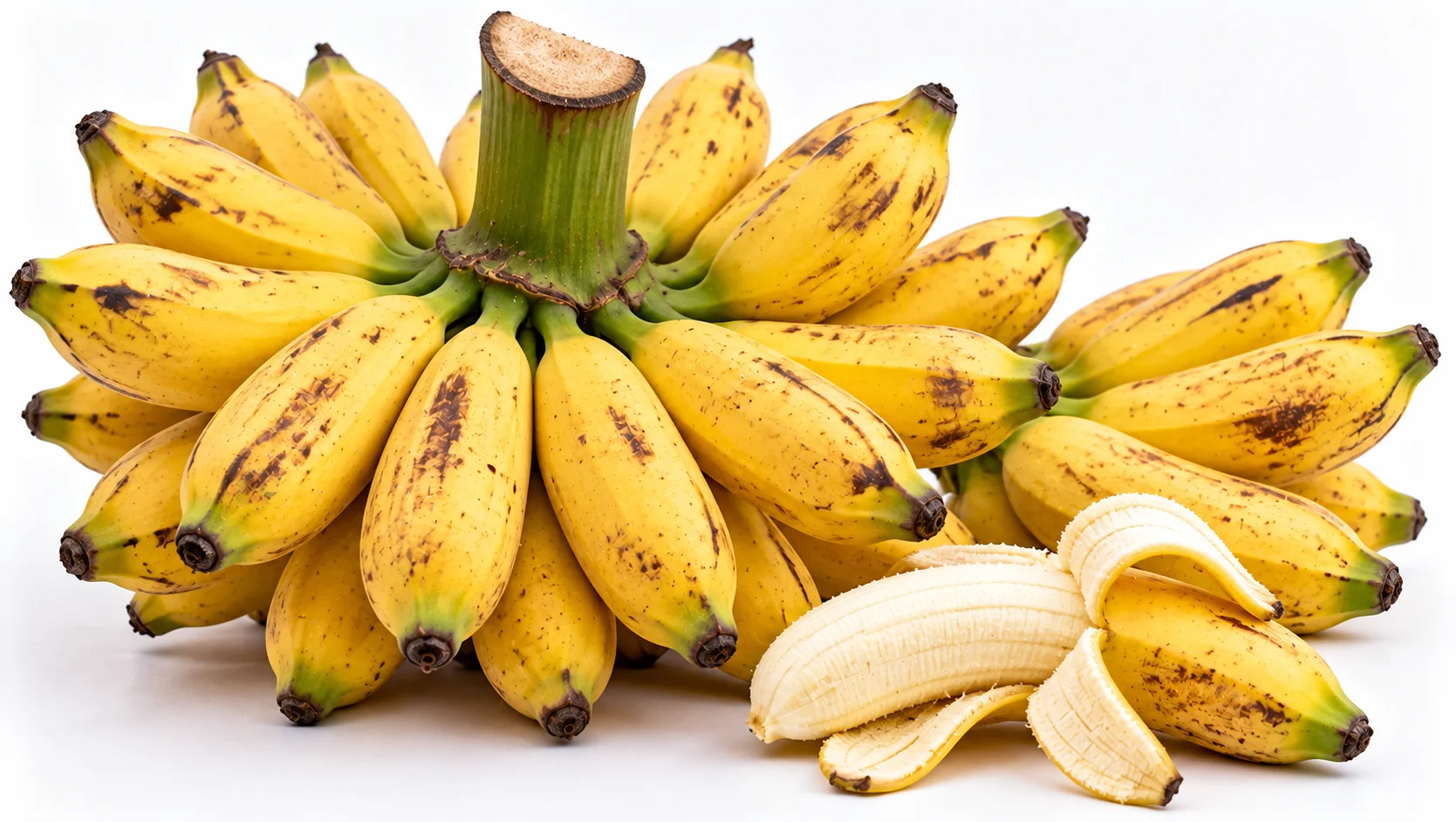
This image has been generated using AI for visual representation purposes only.
Discover Virupakshi Hill Banana, a GI-registered regional product associated with Virupakshi Hills, celebrated for its local heritage and traditional craftsmanship or production.
Virupakshi Hill Banana is a GI-registered hill banana cultivar grown in the Virupakshi area of the lower Palani Hills, Dindigul district, Tamil Nadu, India. Recognised as an agricultural Geographical Indication (GI No. 124), the product refers to a locally adapted ecotype of hill banana (genome group AAB) with distinct agronomic and fruit characteristics associated with the Virupakshi locality and surrounding hill tracts.
The Virupakshi Hill Banana was formally registered as a Geographical Indication (application number 124) by the Tamil Nadu Hill Banana Growers Federation in 2008; the GI certificate was issued in December 2008. The GI application and supporting documents identify the cultivar as an ecotype confined to the lower Palani Hills (notably the Virupakshi area) within Dindigul district and describe its agronomy, physical fruit characteristics and traditional uses. Modern cultivation and organised promotion have involved local growers’ groups, agricultural research stations and state-level horticulture support documented in the GI application and linked technical records.
Documented in the GI application and supporting horticultural reports, Virupakshi Hill Banana is a locally maintained ecotype cultivated under traditional hill agroecosystems (pure hill-banana stands and multi-tier systems with coffee). It is used locally as a fresh fruit and in a traditional value-added prasadam (Palani Panchamirtham). The GI dossier records inherited practices in planting, selection of sword suckers, clump maintenance and mulching that are passed down among hill banana growers in the Virupakshi and adjacent Palani hill communities.
Distinctive, documented features include: pseudostems with blackish-brown blotches; tall, stout plants reaching about 300–330 cm; fruits with a relatively thick peel and five-angled cross-section; peel that separates easily from the pulp at full ripeness; pulp with lower moisture content and a sweet flavour. Measured quality attributes recorded in the GI specification include total soluble solids up to about 21° Brix and a sugar-to-acid ratio near 15:1. The cultivar is adapted to lateritic forest soils (pH ~5.5–6.5), humid tropical conditions at altitudes of roughly 600–1,400 m, and shows keeping quality under ambient conditions (documented shelf life up to around 10 days).
Production follows hill-banana cultivation practices documented in the GI application: selection of healthy sword suckers (disease-free planting material); site preparation with pits (about 45 x 45 x 45 cm) refilled with topsoil mixed with farmyard manure and organic amendments; planting in the April–May season (lower Palani hills); contour construction and soil-conservation where needed; recommended spacings for pure stands and intercropping with coffee; periodic application of organic manures and recommended fertilizers in split doses; regular intercultural operations (pruning, leaf and pseudostem sheath removal) and maintenance of follower plants; pest and disease management using the measures recorded in the technical guidance; harvest of bunches about 12–15 months after planting with clump longevity and economic maintenance recorded up to about 15 years.
Documented traditional techniques include use of sword suckers as planting material, pralinage of suckers (clay slurries and insecticide granules as historically practised in the documented guidance), use of chopped dried leaves and leaf sheaths as mulch, contour stone walls and terracing for hill erosion control, and maintaining two bearing plants and two followers per clump as a local management practice. Intercropping with coffee in a multi-tier hill system is a traditional hill cultivation pattern recorded for this banana ecotype.
Virupakshi Hill Banana has regional agricultural and cultural significance in the lower Palani Hills of Dindigul district. The cultivar is recorded in GI documentation as an important hill-banana ecotype for local livelihoods and for its role in traditional value-added foods — notably its documented use in the Palani Panchamirtham prasadam. The GI registration recognises the cultivar’s link to its hill environment, agronomic practices and local communities.
Virupakshi Hill Banana is registered as Geographical Indication No. 124 (application filed in 2008), with the Tamil Nadu Hill Banana Growers Federation as the applicant, recognising the cultivar’s association with the Virupakshi area and lower Palani Hills.
The cultivar is documented to have a thick peel, five-angled fruits, easy-peeling skin at full ripeness, total soluble solids up to about 21° Brix and a sugar-acid ratio near 15:1, characteristics recorded in the GI specification.
The fruit is documented as a component of Palani Panchamirtham, a traditional value-added prasadam associated with the Palani temple.
The Virupakshi Hill Banana is documented as culturally connected to the Palani region through its role in the Palani Panchamirtham prasadam offered at the Dhandayuthapani (Murugan) temple; the GI filing and subsequent literature note this traditional use and the banana’s role in local religious food practices.
Documented in the GI specification as having keeping quality under ambient conditions up to about 10 days.
Yes. Virupakshi Hill Banana is registered as a Geographical Indication (GI No. 124) with the Tamil Nadu Hill Banana Growers Federation as the applicant; the certificate was issued in 2008.
The banana ecotype is documented as being grown in the lower Palani Hills, especially around the Virupakshi area, within Dindigul district of Tamil Nadu, at altitudes of approximately 600–1,400 metres above mean sea level.
Documented characteristics include tall, stout plants with blackish-brown blotched pseudostems; fruits with a thick peel and five-angled cross-section; easy-peeling skin at full ripeness; pulp with relatively low moisture and sweet flavour; total soluble solids up to about 21° Brix and a high sugar-to-acid ratio.
The GI technical guidance records planting in the lower Palani Hills in April–May (season varies by subregion) with bunches harvestable about 12–15 months after planting; clumps can be maintained and productive for a number of years as described in the agronomic guidance.
Yes. The banana is documented as an ingredient in Palani Panchamirtham, the traditional prasadam associated with the Palani temple, and is referenced in the GI documentation and related technical materials as used for local value-added products.
This image has been generated using AI for visual representation purposes only.
Let Karthi Travels help you plan a comfortable and memorable journey across Tamil Nadu.
Experience, Trust & Memories Built Over the Years





Your journey is in experienced hands, from planning to the final drop.

No hidden charges. Clear and upfront pricing.

Clean, inspected and well-serviced vehicles for a comfortable journey.

Professional drivers focused on safe and pleasant travel.

Dependable pickups and reliable travel service.
Travel Made Simple, Experiences Made Grand

Explore the best of each destination with our curated sightseeing tours.

Perfect for families and groups, planned with comfort, safety and flexibility in mind.

Peaceful and spiritually enriching journeys with carefully planned routes.

Personalised honeymoon tours and romantic destinations for your special journey.

Compliant and well-documented tour plans to make the most of your travel concession.
 WhatsApp Us