🛕About Temple
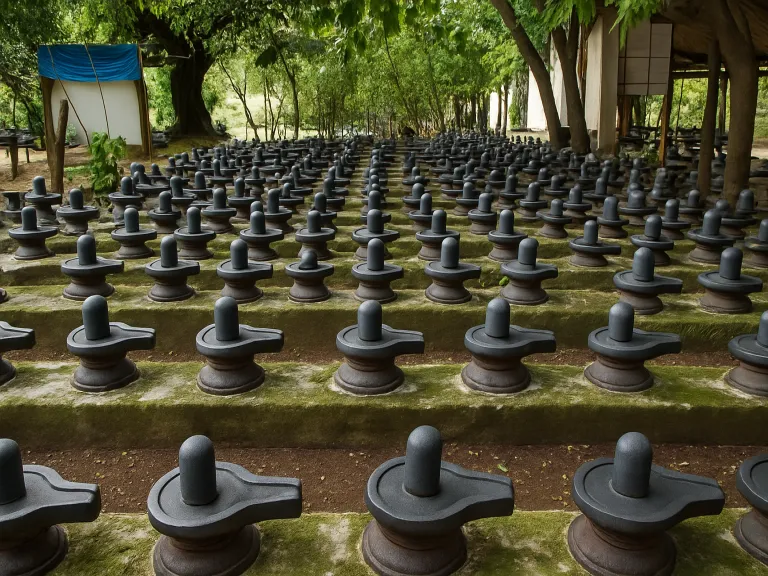
Kodi Lingam Temple at Suruli is a Shiva shrine associated with the Suruli hill and waterfall region near Cumbum in Theni district, Tamil Nadu. The temple is visited as part of the sacred landscape around Suruli Falls, a well-known Western Ghats site where waterfalls, caves, forest paths and small shrines are closely connected with local worship practices. The principal focus of devotion is Lord Shiva in the form of a lingam known locally as Kodi Lingam.
The shrine is not documented as a large royal temple with a firmly established inscriptional history. Its public identity is mainly tied to pilgrimage to Suruli, where devotees combine worship with visits to the nearby waterfall and other hill shrines. The temple is therefore best understood as a local Shaiva place of worship rather than as a monument whose builder, construction date or dynastic patronage has been securely recorded.
Suruli lies close to Cumbum and is accessible by road from Theni, Cumbum, Uthamapalayam and Kumily. The natural setting is an important part of the temple experience: devotees encounter the shrine within a landscape of hills and watercourses rather than in an urban temple complex. Because verifiable public information on the temple’s formal administration, daily schedule and festival calendar is limited, visitors should confirm current access, worship timings and local conditions before travelling.
ℹ️Temple Information
🛕
Presiding Deity
Kodi Lingam
⭐
Temple Type
Shiva temple, Hill-region shrine, Pilgrimage shrine
Need Help Planning your visit to
Kodi Lingam Temple?
Our travel experts can help you with transportation,
darshan timings, nearby sightseeing and complete temple tour planning.
⭐Temple Significance
Kodi Lingam Temple is significant as a local Shaiva shrine in the Suruli sacred landscape near Suruli Falls. Its importance rests on worship of Lord Shiva in lingam form, the devotional use of the Suruli hills as a pilgrimage setting, and its proximity to other well-known religious and natural sites in the Cumbum valley region.
📜History
The documented history of Kodi Lingam Temple, Suruli, is limited. No widely accepted inscription, copper-plate record, archaeological publication or official monument description is available that identifies a historical builder, construction year, ruling dynasty or formal consecration period for this specific shrine. For that reason, the temple cannot be accurately assigned to the Chola, Pandya, Nayak or any other dynasty without evidence.
The wider Suruli region, however, has a long cultural presence in Tamil religious geography. Suruli Malai and the surrounding hill country are known for sacred caves, waterfalls and shrines connected with both Shaiva and Muruga worship. The area is also part of the historic Cumbum valley, a route between the Tamil plains and the Western Ghats towards present-day Kerala. Such geography helped make Suruli a pilgrimage and rest point for local devotees, ascetics and travellers.
For Kodi Lingam Temple itself, the safest historical statement is that it is a local Shiva shrine whose present worship is maintained through regional devotion rather than through a clearly documented royal foundation. The absence of verified dating does not diminish its living religious importance, but it requires separating devotional tradition from historical fact. Details such as the original founder, renovation phases, temple management lineage and older structural history should be treated as unverified unless confirmed by temple records or authoritative local documentation.
🕉️Mythology
The mythology of Kodi Lingam Temple belongs to the broader sacred imagination of Suruli, where hills, caves, waterfalls and forest paths are treated as spiritually charged spaces. In local Shaiva understanding, worship of the lingam represents the formless presence of Lord Shiva, and the name Kodi Lingam is associated in devotional language with the greatness and countlessness of Shiva’s manifestation. Such interpretations are matters of faith and local religious expression rather than dated historical evidence.
Suruli’s sacred landscape is also connected in local tradition with sages and ascetic worship. The Western Ghats setting, with flowing water and caves, naturally supports stories of tapas, meditation and divine presence. Devotees visiting the Shiva shrine often view the journey as more than a temple visit: bathing at the falls, walking through the hill environment and offering prayers are understood as parts of a purifying pilgrimage experience.
These mythological associations should be kept distinct from verifiable history. No well-established historical source confirms a specific puranic episode, royal legend or scriptural foundation story exclusively for Kodi Lingam Temple. The temple’s sacred meaning is therefore best described through living local devotion: Shiva is worshipped as the supreme reality embodied in the lingam, while the Suruli hills provide the natural and spiritual setting in which that worship is experienced.
🏛Architecture
Kodi Lingam Temple is not widely documented as a monumental stone temple with a dated architectural programme. Publicly available temple descriptions do not establish a specific historical style, sculptural school, inscriptional corpus, formal vimana classification or royal construction phase for this shrine. Therefore, it should not be described as Chola, Pandya, Vijayanagara or Nayak architecture unless supported by direct evidence.
The architectural identity of the shrine is more closely connected with its hill-and-waterfall setting than with a large urban temple plan. In the Suruli region, many devotional sites are modest shrines integrated into the natural landscape, with worship centred on the sanctum and the deity rather than on elaborate prakaras, towering gopurams or extensive mandapas. For Kodi Lingam Temple, the principal sacred element is the Shiva lingam, and the built environment functions primarily as a place for darshan and prayer.
Because detailed measurements, consecration records and structural descriptions are not reliably published, architectural claims should remain restrained. Visitors should expect a local pilgrimage shrine rather than a protected archaeological monument. Any description of specific sculptures, subsidiary shrines, temple tree, ritual tank, iconographic programme or renovation history should be confirmed on site or from official temple sources before being treated as factual.
✨
Temple Highlights
✨
Shiva shrine in the Suruli sacred landscape
The temple is associated with worship of Lord Shiva as Kodi Lingam in the hill and waterfall region of Suruli near Cumbum, Theni district.
✨
Close to Suruli Falls
The shrine forms part of a pilgrimage route often combined with a visit to Suruli Falls and nearby hill shrines.
✨
Living local devotion
The temple’s importance is rooted in ongoing regional worship rather than in a securely documented royal or inscriptional history.
✨
Western Ghats setting
The surrounding hills, watercourses and forested terrain shape the spiritual atmosphere of the visit.
🙏
Spiritual Benefits
Devotees worship Lord Shiva for inner peace and mental clarity.
Prayer at the lingam is associated with humility and surrender to Shiva.
The Suruli hill setting supports meditation and quiet reflection.
Devotees seek removal of obstacles through Shiva worship.
Pilgrims value the visit as a purifying spiritual journey combined with the natural sacredness of Suruli.
Worship is considered beneficial for strengthening faith and discipline.
The temple offers a contemplative setting for simple prayer and thanksgiving.
🚗
How to Reach
🛣️
By Road
Suruli is reached by road from Cumbum, Uthamapalayam, Theni and Kumily. Local buses, taxis and private vehicles operate to the Suruli Falls area, from where temple access should be confirmed locally.
🚆
By Rail
Theni Railway Station is the nearest established railway access point for many travellers to the Suruli and Cumbum region. From Theni, visitors can continue by road through Cumbum towards Suruli.
✈️
By Air
Madurai Airport is the nearest major airport. From Madurai, travellers can reach Theni and Cumbum by road and proceed to Suruli.
💡
Visitor Tips
Confirm current temple timings locally before travelling, as verified public schedules are limited.
Check road and weather conditions when visiting during or immediately after heavy rains in the Suruli Falls area.
Wear comfortable footwear suitable for walking in a hill and waterfall environment, while removing footwear where required for worship.
Carry drinking water, especially during warmer months in the Cumbum valley region.
Maintain cleanliness and avoid littering in the temple and surrounding natural area.
Dress modestly and behave respectfully inside shrine areas.
If combining the visit with Suruli Falls, follow local safety instructions near water and slippery rocks.

 WhatsApp Us