🛕About Temple
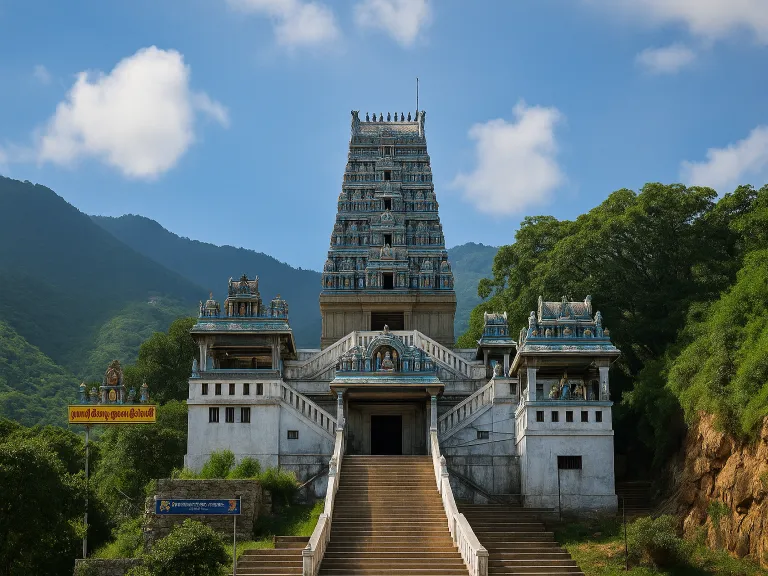
Paathaala Sembu Murugan Thirukovil is identified by its name as a temple dedicated to Lord Murugan at Kamachipuram. The available, widely verifiable information for this specific shrine is limited, and detailed historical particulars such as founder, construction date, inscriptions, temple endowments, administrative records, and formal architectural surveys are not widely documented. For that reason, the temple is best presented with caution, retaining only what can be established from the temple name and avoiding unsupported claims about antiquity, dynastic patronage, or ritual systems.
The name Paathaala Sembu Murugan is distinctive. Paathaala in Tamil usage refers to an underground or subterranean association, while Sembu refers to copper. These words are part of the temple’s known name, but a historically authenticated explanation of the title, the form of the murti, or the origin of the shrine is not available from well-established temple sources. The presiding deity is Murugan, the Tamil name of Skanda or Subrahmanya, a major deity worshipped across Tamil Nadu.
Because the shrine is not accompanied by widely published epigraphic or institutional records, details such as temple tree, temple tank, formal agama, festival calendar, entry arrangements, and photography rules should be confirmed directly with the temple authorities or local administration before visiting. This JSON therefore leaves unverifiable fields blank rather than converting local hearsay into historical fact. The temple’s importance rests in its identity as a Murugan shrine at Kamachipuram and in the devotional value associated with Murugan worship.
ℹ️Temple Information
🛕
Presiding Deity
Murugan
⭐
Temple Type
Murugan temple, Hindu temple
Need Help Planning your visit to
Paathaala Sembu Murugan Thirukovil?
Our travel experts can help you with transportation,
darshan timings, nearby sightseeing and complete temple tour planning.
⭐Temple Significance
Paathaala Sembu Murugan Thirukovil is significant as a Murugan shrine at Kamachipuram. No authenticated historical, architectural, dynastic, or sthala-purana details are widely documented for this specific temple.
📜History
No well-established historical record is available that identifies the original builder of Paathaala Sembu Murugan Thirukovil, Kamachipuram. Publicly documented details such as inscriptions, copper-plate grants, royal endowments, archival temple accounts, renovation records, or references in standard temple histories are not available in a verifiable form for this shrine. Therefore, it is not possible to assign an authenticated year, century, donor, ruler, dynasty, or sectarian institution to the temple without risking historical invention.
The historical field for this temple must be separated from local memory and devotional narration. Many Tamil temples preserve their identity through oral tradition, family service, village worship, and regional devotional continuity even when written records are scarce. Such continuity can be meaningful for devotees, but it cannot be treated as documented history unless supported by inscriptions, dated records, temple publications, or recognized historical studies. For Paathaala Sembu Murugan Thirukovil, those supporting details are not widely established.
The name of the temple confirms its association with Lord Murugan and Kamachipuram, but the origin of the epithet Paathaala Sembu has not been authenticated through a reliable historical source. No verified dynastic connection, renovation period, or architectural phase can be stated. Accordingly, the fields for built_by, built_period, dynasty, sampradaya, and agama are left blank. This approach preserves the distinction between confirmed fact and unverified local tradition, which is especially important for lesser-documented shrines.
🕉️Mythology
A specific, widely documented sthala purana for Paathaala Sembu Murugan Thirukovil, Kamachipuram, is not available in authenticated temple sources. The temple name connects the shrine with Lord Murugan, but no verifiable narrative has been established regarding the manifestation of the deity, the reason for the epithet Paathaala Sembu, the involvement of sages or saints, or the connection of the site with a particular episode from Murugan mythology. Therefore, no temple-specific myth is presented as fact.
In the broader Hindu tradition, Murugan is known as the son of Shiva and Parvati, the brother of Ganesha, and the divine commander associated with wisdom, courage, protection, and victory over destructive forces. Tamil devotional traditions celebrate him through names such as Skanda, Subrahmanya, Shanmukha, Kumara, Karthikeya, and Saravana. These are general theological associations of Murugan worship and should not be mistaken for a documented mythology unique to the Kamachipuram shrine.
The words Paathaala and Sembu in the temple name may carry local religious meaning, but without a verified sthala purana or authoritative temple account, no explanation is recorded here beyond the linguistic sense of the terms. Any oral account narrated by local devotees or priests should be treated as local tradition unless confirmed by reliable temple documentation. This separation allows the mythology section to remain respectful of devotion while avoiding unsupported claims about the origin or sacred events of the temple.
🏛Architecture
No authoritative architectural survey, inscriptional record, or published conservation description is available for Paathaala Sembu Murugan Thirukovil, Kamachipuram. As a result, the architectural character of the temple cannot be reliably described in terms of date, construction phases, sculptural programme, gopuram style, mandapa typology, prahara layout, vimana form, or iconographic scheme. Without verified documentation, assigning the structure to a dynasty, century, school of architecture, or temple-building tradition would be speculative.
Many Murugan temples in Tamil Nadu follow Dravidian temple vocabulary, including sanctum, mandapa, circumambulatory space, subsidiary shrines, flagstaff, and festival icons. However, these general patterns cannot be automatically applied to this particular temple unless confirmed through reliable site records or a direct official description. For Paathaala Sembu Murugan Thirukovil, no such dependable source is available to establish whether it has a rajagopuram, a temple tank, a defined temple tree, a sculptural sequence, or historically dated stonework.
The safest architectural description is therefore limited: it is a shrine dedicated to Murugan at Kamachipuram, and further structural details should be verified on site. Photographs, measurements, renovation plaques, or temple records may help establish accurate architectural information in the future. Until then, the architecture should not be described using unverified claims of antiquity, underground sanctum, copper iconography, dynastic style, or rare construction features. This restraint protects the accuracy of the temple profile.
✨
Temple Highlights
✨
Murugan shrine at Kamachipuram
The temple is identified by its name as a shrine dedicated to Lord Murugan at Kamachipuram.
✨
Distinctive temple name
The name includes the Tamil terms Paathaala and Sembu, but no authenticated historical explanation of this epithet is widely documented.
✨
Unverified historical particulars avoided
Founder, date, dynasty, agama, temple tree, temple tank, and festival details are left blank where reliable information is not available.
💡
Visitor Tips
Confirm the current opening hours with local temple authorities before travelling.
Check the exact location and route to Kamachipuram before starting the journey.
Wear modest, respectful clothing suitable for a Hindu temple visit.
Ask temple authorities before taking photographs or videos inside the premises.
Carry small cash for offerings only if permitted by the temple administration.
Maintain silence and follow the queue or local worship procedure during darshan.
Avoid relying on unverified online claims for history, timings, fees, or special rituals.

 WhatsApp Us