🛕About Temple
Seshapureeswarar Temple at Thirupampuram is an ancient Shiva temple in Thiruvarur district of Tamil Nadu, near Peralam and within the traditional Kaveri delta temple region. The presiding deity is Lord Shiva worshipped as Seshapureeswarar, also known as Paambureswarar or Pampuranathar, in the form of a Shiva Lingam. The goddess is worshipped as Vanduser Kuzhali, also identified with Bhramarambikai.
The temple is widely known as a Paadal Petra Sthalam, one of the sacred Shiva temples praised in the Tevaram hymns. Its name is connected with pambu, meaning serpent in Tamil, and the shrine has long been associated with naga worship, Adisesha, Rahu and Ketu. Because of this association, devotees visit Thirupampuram for worship connected with sarpa dosha, naga dosha and Rahu-Ketu afflictions.
Thirupampuram is distinct among serpent-related Shiva temples because both Rahu and Ketu are worshipped here in relation to Shiva’s grace. The temple remains an important pilgrimage point for devotees who also visit nearby Kaveri delta temples such as Thirumeeyachur and Thirunageswaram. Its importance rests on three layers: its Tevaram sanctity, its Shaiva worship tradition, and its special identity as a serpent and Rahu-Ketu parihara sthalam.
ℹ️Temple Information
🛕
Presiding Deity
Seshapureeswarar
👸
Goddess
Vanduser Kuzhali
⭐
Temple Type
Shiva temple, Paadal Petra Sthalam, Rahu-Ketu parihara sthalam, Naga worship shrine
📅
Built Period
At least 7th century CE as a Tevaram shrine; the existing structural temple reflects later medieval Tamil, especially Chola-period, development.
Need Help Planning your visit to
Sri Seshapureeswarar Temple?
Our travel experts can help you with transportation,
darshan timings, nearby sightseeing and complete temple tour planning.
⭐Temple Significance
Seshapureeswarar Temple is significant as a Tevaram Paadal Petra Sthalam and as one of the best-known Shiva temples associated with Adisesha, serpents, Rahu and Ketu. Devotees especially visit for worship connected with sarpa dosha, naga dosha and Rahu-Ketu parihara.
📜History
The earliest secure historical importance of Seshapureeswarar Temple comes from its place in the Tevaram tradition. Thirupampuram is counted among the Paadal Petra Sthalams, the Shiva temples praised by the Tamil Saiva saint Tirugnanasambandar. This establishes the shrine as a place of worship by the 7th century CE, the period of the early Bhakti movement in Tamil Nadu. The temple’s sacred status therefore predates many later structural additions and rests on its presence in the canonical Tamil Shaiva hymns.
The temple belongs to the Chola country of the Kaveri delta, a region that received strong royal, agrarian and devotional support for Shiva temples during the medieval period. The present shrine reflects the long history of Tamil temple development, in which early sacred sites were renewed, rebuilt or expanded in stone during the Chola and later periods. The exact original builder of the temple is not documented in well-established public sources, and the foundation cannot be assigned to a named king with certainty.
Historically, Thirupampuram has been remembered not as a large imperial monument but as a deeply revered Shaiva shrine with strong local and scriptural importance. Its identity has been preserved through Tevaram recitation, regular worship of Seshapureeswarar and Vanduser Kuzhali, and the continuing pilgrimage tradition connected with serpents, Rahu and Ketu. The temple’s religious continuity from the early medieval period to the present is its most important historical feature.
🕉️Mythology
The mythology of Thirupampuram centres on serpents and their devotion to Lord Shiva. In local temple tradition, Adisesha and other nagas worshipped Shiva at this sacred place to receive relief from affliction and regain divine grace. Because Adisesha is closely associated with the name Seshapureeswarar, the Lord of Sesha, the temple became renowned as a serpent-related Shiva kshetra. The name Thirupampuram itself is connected with pambu, the Tamil word for snake.
Another important belief connects the temple with Rahu and Ketu, the two shadow planets in Hindu astrology. Local tradition holds that Rahu and Ketu worshipped Lord Shiva here and were blessed. This belief forms the basis of the temple’s strong reputation as a Rahu-Ketu parihara sthalam. Devotees worship Seshapureeswarar and the associated serpent deities for relief from sarpa dosha, naga dosha and difficulties attributed to Rahu-Ketu influences in the horoscope.
The goddess Vanduser Kuzhali, whose name evokes tresses surrounded by bees, is worshipped as the compassionate divine mother of the shrine. In mythology and devotional practice, Shiva and the goddess together grant protection from fear, poison, ancestral serpent afflictions and obstacles in family life. These beliefs belong to the living religious tradition of the temple and are distinct from the historical evidence provided by the Tevaram hymns and the temple’s place in the Chola country.
🏛Architecture
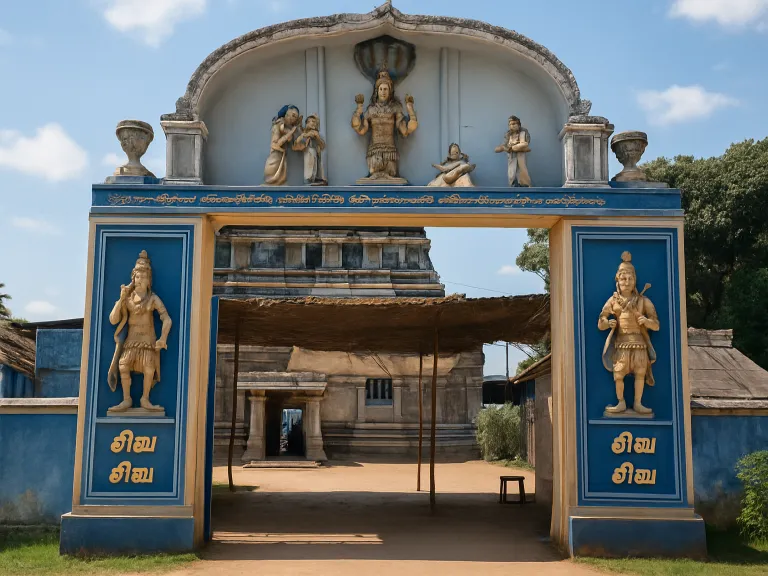
Seshapureeswarar Temple follows the traditional layout of a Tamil Shaiva temple. The central sanctum houses Lord Shiva as Seshapureeswarar in Lingam form, with associated spaces for worship and circumambulation. The temple complex includes the shrine of the goddess Vanduser Kuzhali, and it preserves the normal ritual arrangement of a Shiva temple, with subsidiary deities placed within the prakara. The scale is that of a sacred village temple rather than a large royal complex.
The architectural character reflects the Kaveri delta style of temple building, where stone sanctums, mandapas, circumambulatory paths and sculptural shrines support daily worship. The temple’s importance is not based on unusual height or massive enclosure walls, but on the sacred geography of its shrines. The serpent association is visible in the worship tradition and in the presence of naga-related forms, especially the reverence given to Rahu and Ketu.
The temple’s architectural experience is closely tied to ritual movement. Devotees worship the main Lingam, the goddess, the serpent-related shrines and other Shaiva deities in sequence. The sacred tree and temple tank, known in temple tradition as Vanni and Adisesha Theertham, add to the ritual landscape. Like many ancient Paadal Petra Sthalams, Thirupampuram combines historical age, compact Dravidian temple planning and continuing devotional practice rather than relying on monumental architectural display alone.
🌳
Sacred Features
🌳 Temple Tree
Vanni
The Vanni tree is regarded in temple tradition as the sthala vriksha of Seshapureeswarar Temple.
💧 Temple Tank
Adisesha Theertham
Adisesha Theertham is associated with the temple’s serpent mythology and the worship of Lord Seshapureeswarar.
✨
Temple Highlights
✨
Paadal Petra Sthalam
Thirupampuram is one of the sacred Shiva temples praised in the Tevaram hymns, giving it a revered place in Tamil Shaiva tradition.
✨
Rahu-Ketu Parihara Shrine
The temple is widely visited for worship connected with Rahu, Ketu, sarpa dosha and naga dosha.
✨
Association with Adisesha
The name Seshapureeswarar connects the deity with Adisesha, and the temple’s mythology centres on serpent worship of Shiva.
✨
Ancient Kaveri Delta Temple
The shrine belongs to the historic Chola country temple region, known for a dense network of ancient Shiva temples.
✨
Goddess Vanduser Kuzhali
The goddess shrine is dedicated to Vanduser Kuzhali, also known as Bhramarambikai, the compassionate consort of Seshapureeswarar.
🙏
Spiritual Benefits
Worship for relief from Rahu-Ketu afflictions
Prayers for removal of sarpa dosha and naga dosha
Seeking protection from fear and negative planetary influences
Prayers for family harmony and stability
Worship for marriage-related obstacles connected with horoscope beliefs
Prayers for progeny connected with naga worship traditions
Seeking Lord Shiva’s grace through worship at a Tevaram shrine
🎉
Major Festivals
🎉
Maha Shivaratri
Maha Shivaratri is an important annual festival for Lord Shiva, observed with special worship in Shiva temples including Seshapureeswarar Temple.
🎉
Pradosham
Pradosham, observed twice every lunar month, is a significant period for worship of Lord Shiva and Nandi.
🎉
Rahu-Ketu Peyarchi
Rahu-Ketu transit periods draw devotees to temples associated with the two shadow planets for parihara worship.
🪔
Special Poojas
🪔
Rahu-Ketu Parihara Pooja
Devotees perform worship connected with Rahu and Ketu for relief from planetary afflictions and related obstacles.
🪔
Sarpa Dosha Parihara Worship
The temple is visited for prayers connected with sarpa dosha and naga dosha, rooted in the shrine’s serpent mythology.
🪔
Abhishekam to Seshapureeswarar
Abhishekam to the Shiva Lingam is a central form of worship offered to Lord Seshapureeswarar.
🪔
Pradosha Pooja
Special worship of Lord Shiva during Pradosham is an important Shaiva observance.
🚗
How to Reach
🛣️
By Road
Thirupampuram is near Peralam and can be reached by road from Kumbakonam, Mayiladuthurai, Tiruvarur and Karaikal through local buses, taxis or private vehicles.
🚆
By Rail
Peralam Railway Station is the nearest commonly used railway station. From there, local road transport is required to reach the temple.
✈️
By Air
The nearest major airport is Tiruchirappalli International Airport. Travellers can continue by road or rail towards the Kaveri delta region and then proceed to Thirupampuram.
💡
Visitor Tips
Confirm current temple timings before travelling, especially if planning a specific parihara pooja.
Carry offerings only after checking local temple practice or with the temple office.
Dress modestly and follow normal Hindu temple etiquette inside the premises.
If visiting for Rahu-Ketu parihara, consult the temple authorities about the correct procedure and available pooja arrangements.
Combine the visit with nearby Kaveri delta temples only after allowing sufficient time for darshan.
Avoid relying on unofficial agents for special rituals or fees.
Visit during cooler months or early in the day for a more comfortable pilgrimage.
Maintain silence and avoid disturbing ongoing rituals or Tevaram recitation.

 WhatsApp Us