🛕About Temple
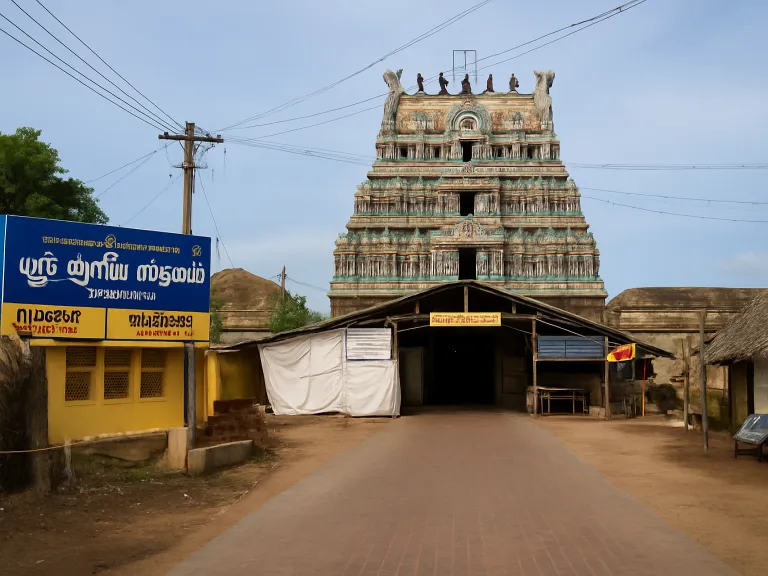
Siva Suryanarayana Swamy Temple, widely known as Suriyanar Koil, is a historic Hindu temple at Suriyanarkoil near Aduthurai and Kumbakonam in Tamil Nadu. The shrine is dedicated to Surya, the Sun god, worshipped here as Siva Suryanarayana Swamy or Suryanarayana Perumal. The principal icon is associated with Surya’s consorts Usha Devi and Pratyusha Devi, and the temple is especially known for the presence of separate shrines for all the Navagrahas.
Suriyanar Koil is one of the celebrated Navagraha temples of the Kumbakonam region and represents the Sun among the nine planetary deities. Unlike many South Indian temples where the Navagrahas are placed together on a single pedestal, this temple gives individual sanctums to Surya, Chandra, Angaraka, Budha, Guru, Sukra, Sani, Rahu and Ketu. This arrangement makes the temple an important centre for devotees performing Navagraha worship and planetary-remedial prayers.
The temple stands in a region dense with Chola-period temples and is closely connected with the sacred geography of Thanjavur and Mayiladuthurai districts. Devotees commonly visit nearby Thirumangalakudi and Kanjanur along with Suriyanar Koil as part of a Navagraha pilgrimage. The temple’s identity combines solar worship, Shaiva sacred tradition and the living ritual practices of Tamil Nadu temple culture. It remains one of the most visited shrines in the Kumbakonam Navagraha circuit.
ℹ️Temple Information
🛕
Presiding Deity
Siva Suryanarayana Swamy
👸
Goddess
Usha Devi and Pratyusha Devi
⭐
Temple Type
Navagraha temple, Surya temple, Dravidian temple, Chola-period temple
📅
Built Period
Late 11th century CE
Need Help Planning your visit to
Arulmigu Siva Suriya Perumal Temple?
Our travel experts can help you with transportation,
darshan timings, nearby sightseeing and complete temple tour planning.
⭐Temple Significance
Suriyanar Koil is the Surya sthalam of the Kumbakonam Navagraha circuit and is among the few historic South Indian temples where Surya is the presiding deity. Its separate sanctums for all nine planetary deities make it a major centre for Navagraha worship, especially for devotees performing prayers connected with the Sun, planetary transitions and graha-related remedies.
📜History
The historically documented phase of Suriyanar Koil belongs to the medieval Chola period. The temple is generally attributed to Kulottunga Chola I, and its construction is placed in the late 11th century CE. This dating is consistent with the strong temple-building activity of the Cholas in the Kaveri delta, where royal patronage, local endowments and temple-centred settlements shaped the religious landscape.
The temple’s historical importance rests on its unusual status as a dedicated Navagraha shrine with Surya as the presiding deity. While Surya worship is found in many older temples through subsidiary images and Navagraha panels, Suriyanar Koil developed as a full temple in which the Sun god occupies the central role and the other grahas are housed in separate sanctums. This feature distinguishes it from the ordinary Navagraha placement found in most Tamil temples.
Suriyanar Koil continued to be revered within the Kumbakonam temple network, which includes major Chola, later medieval and early modern shrines. Its identity today is connected not only to its Chola foundation but also to its uninterrupted ritual use as a pilgrimage destination. The temple is visited by devotees seeking Surya worship, Navagraha propitiation and participation in annual solar festivals such as Ratha Saptami. The historically secure information identifies the builder, broad period, Chola setting and ritual importance; later undocumented embellishments are best treated as part of local tradition rather than fixed historical fact.
🕉️Mythology
The mythology of Suriyanar Koil is linked to the Navagrahas and to the sacred landscape around Thirumangalakudi. In local temple tradition, Sage Kalava suffered from severe disease and approached the nine planetary deities for relief. The Navagrahas granted him freedom from his affliction. Brahma then reproached the planets for exceeding their ordained function, since they were meant to distribute the results of karma rather than independently remove them.
According to the same tradition, Brahma cursed the Navagrahas to suffer from the disease they had removed. The afflicted grahas came to the earth and performed penance in the sacred region associated with the present Suriyanar Koil. They worshipped Shiva and sought release from the curse. Shiva granted them relief and gave them a place where they could bless devotees who approach them with devotion and proper worship.
This mythology explains why Suriyanar Koil is not merely a Sun temple but a complete Navagraha shrine. Surya occupies the principal position, while the other eight planetary deities have their own sanctums within the complex. The story also links the temple with Shaiva sacred authority, even though the presiding deity is Surya. Devotees understand the temple as a place where planetary afflictions may be spiritually addressed through worship of Surya, the Navagrahas and the associated forms of Shiva in the temple tradition.
🏛Architecture
Suriyanar Koil follows the South Indian Dravidian temple idiom associated with the Chola region. The temple complex is enclosed by walls and approached through a rajagopuram. The layout is compact when compared with the great royal temples of Thanjavur, but it is architecturally significant because its spatial organisation is built around the worship of the nine planetary deities. The sanctum of Siva Suryanarayana Swamy forms the ritual centre of the temple.
The main deity is represented with Usha Devi and Pratyusha Devi, the consorts of Surya. The temple’s most distinctive architectural feature is the provision of separate shrines for the remaining Navagrahas. Chandra, Angaraka, Budha, Guru, Sukra, Sani, Rahu and Ketu are not merely grouped on a single stone platform, as in many temples, but are individually enshrined. This creates a pilgrimage movement within the temple, where devotees proceed from one graha shrine to another as part of their worship.
The temple also contains shrines connected with Shaiva worship, including forms associated with Shiva and the goddess. Its iconographic programme reflects the integration of solar worship into the broader Tamil temple tradition. Granite structural elements, sculptural niches, pillared spaces and the towered entrance collectively identify it with the Dravidian mode of sacred architecture. The temple’s architectural value lies less in monumental scale and more in the clarity with which it embodies the Navagraha concept in built form.
🌳
Sacred Features
🌳 Temple Tree
Vellerukku
The Vellerukku plant is associated with the sthala tradition of Suriyanar Koil and with the mythology of the Navagrahas performing penance in the sacred grove.
💧 Temple Tank
Surya Pushkarini
Surya Pushkarini is the sacred temple tank associated with the shrine and with the purificatory traditions of Surya and Navagraha worship.
✨
Temple Highlights
✨
Surya Sthalam of the Navagraha Circuit
Suriyanar Koil is the temple associated with Surya in the celebrated Navagraha pilgrimage circuit around Kumbakonam.
✨
Separate Shrines for All Nine Grahas
The temple is distinguished by individual sanctums for Surya and the eight other planetary deities, rather than a single grouped Navagraha platform.
✨
Chola-Period Foundation
The temple is historically associated with Kulottunga Chola I and belongs to the late 11th-century Chola temple tradition.
✨
Surya with Usha and Pratyusha
The presiding deity Siva Suryanarayana Swamy is worshipped with the consorts Usha Devi and Pratyusha Devi.
✨
Important Navagraha Pilgrimage Stop
Devotees commonly include Suriyanar Koil in pilgrimages to the nine planetary temples around Kumbakonam.
🙏
Spiritual Benefits
Worship for the blessings of Surya, the Sun god
Prayer for health, vitality and clarity of mind
Navagraha worship for relief from planetary afflictions
Worship for strength, confidence and disciplined living
Prayer for success in duties connected with authority and leadership
Devotional offering during Ratha Saptami and Sundays sacred to Surya
Graha shanti prayers for harmony and balance in life
🎉
Major Festivals
🎉
Ratha Saptami
Ratha Saptami is the principal festival associated with Surya worship. Devotees visit the temple to worship Siva Suryanarayana Swamy and seek the blessings of the Sun god.
🎉
Makara Sankranti / Thai Pongal
The solar transition into Makara and the Tamil harvest festival season are important for Surya worship, and devotees offer prayers to the Sun god during this period.
🎉
Planetary Transit Observances
As a Navagraha temple, special worship is performed by devotees during major planetary transition periods such as Guru Peyarchi and Sani Peyarchi.
🪔
Special Poojas
🪔
Surya Archana
Devotees offer archana to Siva Suryanarayana Swamy for the blessings of Surya, especially on Sundays and solar observances.
🪔
Navagraha Archana
Prayers are offered to all nine planetary deities for graha shanti and spiritual harmony.
🪔
Abhishekam
Ritual bathing of the deity is performed as part of temple worship according to the temple’s established practice.
🪔
Graha Shanti Worship
Devotees perform worship connected with planetary afflictions and life-cycle concerns, focusing on Surya and the Navagrahas.
🚗
How to Reach
🛣️
By Road
Suriyanar Koil is accessible by road from Kumbakonam, Aduthurai and Mayiladuthurai. It lies near the Kumbakonam-Mayiladuthurai route and is commonly reached by taxi, auto-rickshaw or local bus services from nearby towns.
🚆
By Rail
Aduthurai Railway Station is the nearest railway station. Kumbakonam Railway Station is a larger railhead with wider connectivity for pilgrims visiting the Navagraha temples.
✈️
By Air
The nearest major airport is Tiruchirappalli International Airport. From there, travellers continue by road or rail via Kumbakonam or Mayiladuthurai.
💡
Visitor Tips
Confirm current temple timings locally before planning the visit.
Visit early in the day during weekends and festival periods to avoid heavy crowds.
Combine the visit with nearby Thirumangalakudi and Kanjanur if following the Navagraha pilgrimage route.
Carry water and sun protection, especially during the hot months in the Kumbakonam region.
Dress modestly and remove footwear before entering the temple premises.
Check temple rules before taking photographs, as permission can vary by area.
Use Aduthurai or Kumbakonam as convenient travel bases for visiting multiple Navagraha temples.

 WhatsApp Us