Aadhi Jagannatha Perumal Thirukoil

Thirupullani, Ramanathapuram, Tamil Nadu
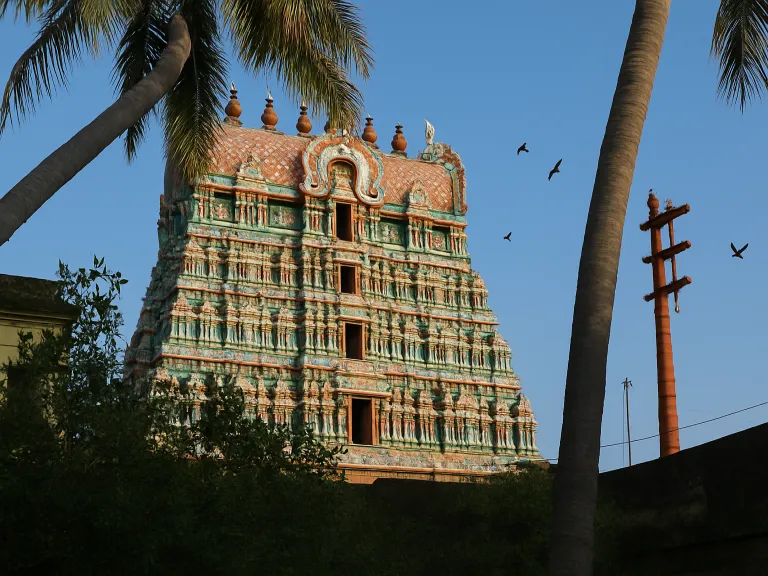
Aadhi Jagannatha Perumal Thirukoil

About Temple

Aadhi Jagannatha Perumal Thirukoil at Thirupullani is a celebrated Vishnu temple in Ramanathapuram district, Tamil Nadu, close to the coast associated with the ancient Sethu pilgrimage route. The temple is counted among the 108 Divya Desams praised in the Nalayira Divya Prabandham. The presiding deity is Aadhi Jagannatha Perumal, and the goddess is Padmasani Thayar.

The temple is especially known for its association with the Ramayana. Within the complex, the shrine of Dharba Sayana Ramar presents Rama in a reclining posture on darbha grass, recalling the episode in which he performed penance and prayer before crossing the sea to Lanka. Because of this association, Thirupullani is also known as Dharbasayanam and Pullaranyam in devotional usage.

The temple remains an important Sri Vaishnava pilgrimage centre and is visited along with Rameswaram, Sethukarai, Devipattinam and other sacred places of Ramanathapuram. Its worship tradition, Divya Desam status, Ramayana connection, temple tank and multiple shrines make it significant both for Vaishnava devotion and for pilgrims following the sacred geography of the southern coast.

Temple Information

Presiding Deity Aadhi Jagannatha Perumal
Goddess Padmasani Thayar
Temple Type Divya Desam, Vishnu temple, Sri Vaishnava temple, Ramayana kshetra
District Ramanathapuram
Built Period At least early medieval in sacred literature, with later medieval and early modern additions and renovations.
Dynasty Sethupathi rulers of Ramanathapuram are documented patrons; earlier ruling attribution for the original foundation is not firmly documented.
Sampradaya Sri Vaishnavism - Thenkalai tradition
Agama Vaikhanasa Agama

Temple Significance

Aadhi Jagannatha Perumal Thirukoil is significant as one of the 108 Divya Desams, as a major Sri Vaishnava shrine, and as a Ramayana kshetra connected with Rama’s prayer at the seashore before the journey to Lanka. The presence of Dharba Sayana Ramar makes the temple one of the most important Rama-associated shrines in Tamil Nadu.

History

The antiquity of Aadhi Jagannatha Perumal Thirukoil is firmly established by its place in the Nalayira Divya Prabandham, where Thirupullani is praised as a Divya Desam. The hymns of the Azhwars place the shrine within the early medieval Tamil Vaishnava sacred landscape. This literary testimony shows that the temple was an active Vishnu centre by the period of the Azhwar devotional movement.

The present temple complex reflects later architectural development and patronage over several centuries. Historical records and temple tradition associate the shrine with endowments and maintenance by the rulers of the Ramanathapuram region, including the Sethupathis, who were prominent patrons of temples connected with the Sethu and Rameswaram pilgrimage circuit. The temple’s importance grew because of its Ramayana association and its position on the route to the sacred seashore at Sethukarai.

The exact original founder of the temple is not documented in widely established historical sources. The temple should therefore be understood as an ancient Divya Desam with an early devotional history and a built form that received additions, renovations and patronage during the medieval and early modern periods. Its continued ritual life preserves the Sri Vaishnava traditions connected with Aadhi Jagannatha Perumal, Padmasani Thayar and Dharba Sayana Ramar.

Mythology

The mythology of Thirupullani is centred on the Ramayana. Local sacred tradition identifies this place as the spot where Rama reached the seashore before proceeding to Lanka. Rama is described as resting on a bed of darbha grass and praying to the ocean for a passage. This episode is represented in the temple through the shrine of Dharba Sayana Ramar, where Rama is seen in a reclining posture.

The name Thirupullani is explained in devotional tradition through the phrase connected with grass and a sacred bed, referring to Rama’s darbha sayanam. The place is also associated with the name Pullaranyam, meaning a sacred forest connected with penance and worship. In temple mythology, the sanctity of the site comes from the presence of Aadhi Jagannatha Perumal, whom Rama worshipped before the events leading to the construction of the bridge to Lanka.

The temple’s mythological importance is therefore distinct from its historical development. Historically, it is a Divya Desam praised by the Azhwars; mythologically, it is a Ramayana kshetra where Rama demonstrated devotion, discipline and surrender before beginning the decisive journey across the sea. This layered sacred identity makes Thirupullani important to both Vishnu devotees and Rama devotees.

Architecture

Aadhi Jagannatha Perumal Thirukoil is built in the Dravidian temple architectural tradition of Tamil Nadu. The complex has the characteristic arrangement of entrance tower, enclosed prakarams, mandapas and sanctums. The principal shrine is dedicated to Aadhi Jagannatha Perumal, while Padmasani Thayar has her own sanctum. The temple also contains important shrines connected with Rama, especially Dharba Sayana Ramar.

The sanctum of Aadhi Jagannatha Perumal houses the Lord in a standing form facing east, and the temple’s sacred iconography emphasizes both Vishnu worship and the Ramayana tradition. The shrine of Dharba Sayana Ramar is one of the most distinctive features of the temple, presenting Rama reclining on darbha grass. Other shrines within the complex support the ritual and devotional framework typical of a major Sri Vaishnava Divya Desam.

The temple is associated with Kalyana Vimanam and Hema Theertham in Divya Desam descriptions. Its architectural character is not limited to a single construction phase; like many ancient Tamil temples, it reflects successive periods of repair, expansion and patronage. The combination of Vishnu sanctum, Thayar shrine, Rama shrine, temple tank and processional spaces gives the complex its distinctive sacred and architectural identity.

Sacred Features

Temple Tree
Arasa Maram / Aswatha tree

The Aswatha tree is identified in Divya Desam tradition as the sthala vriksha of Thirupullani.

Temple Tank
Hema Theertham

Hema Theertham is the sacred temple tank associated with Aadhi Jagannatha Perumal Thirukoil and is listed in Divya Desam descriptions of Thirupullani.

Temple Highlights

Divya Desam status

The temple is one of the 108 Divya Desams praised in the Nalayira Divya Prabandham, making it a major pilgrimage shrine for Sri Vaishnavas.

Dharba Sayana Ramar shrine

The temple is famous for the shrine of Rama reclining on darbha grass, connected with the Ramayana episode before the crossing to Lanka.

Aadhi Jagannatha Perumal

The presiding deity is Aadhi Jagannatha Perumal, worshipped as an ancient manifestation of Vishnu at Thirupullani.

Padmasani Thayar shrine

The goddess Padmasani Thayar has a separate sanctum, following the devotional pattern of major Sri Vaishnava temples.

Sethu pilgrimage connection

The temple is located near Sethukarai and forms part of the sacred pilgrimage circuit associated with Rameswaram and the Sethu coast.

Spiritual Benefits

  • Worship of Vishnu at one of the 108 Divya Desams
  • Devotional remembrance of Rama’s discipline and surrender before the ocean
  • Prayers for family welfare and harmony
  • Seeking divine grace through the worship of Aadhi Jagannatha Perumal and Padmasani Thayar
  • Participation in Sri Vaishnava worship and Divya Prabandham tradition
  • Pilgrimage merit associated with the Sethu and Rameswaram sacred region

Major Festivals

Chithirai Brahmotsavam

The annual Brahmotsavam celebrated in the Tamil month of Chithirai is an important festival of the temple with special worship and processions.

Rama Navami

Rama Navami is observed with special significance because of the temple’s strong association with Rama and the Dharba Sayana Ramar shrine.

Vaikunta Ekadasi

Vaikunta Ekadasi is an important Vaishnava observance celebrated with special worship and darshan.

Pavitrotsavam

Pavitrotsavam is observed as a purification and renewal ritual in the temple’s annual worship cycle.

Special Poojas

Nitya Aradhanai

Daily worship is performed to Aadhi Jagannatha Perumal and other deities according to the temple’s Vaikhanasa Agama tradition.

Thirumanjanam

Sacred ceremonial bathing is performed on prescribed occasions for the deities as part of temple worship.

Archana

Devotees offer archana to Aadhi Jagannatha Perumal, Padmasani Thayar and other deities in the temple.

Dharba Sayana Ramar worship

Devotees offer prayers at the shrine of Dharba Sayana Ramar, which is central to the temple’s Ramayana significance.

How to Reach

By Road

Thirupullani is accessible by road from Ramanathapuram and Rameswaram. Buses, taxis and local vehicles operate from Ramanathapuram town.

By Rail

The nearest major railway access is Ramanathapuram railway station, from where road transport is available to Thirupullani.

By Air

The nearest major airport is Madurai Airport. From Madurai, visitors can travel by road or rail via Ramanathapuram.

Nearby Temples

Sethukarai Anjaneya Temple
about 4 km

A sacred coastal shrine associated with Hanuman and the Ramayana Sethu tradition.

Uthirakosamangai Mangalanatha Swamy Temple
about 16 km

An ancient Shiva temple in Ramanathapuram district, known for its association with Shaiva worship and the Maragatha Nataraja.

Devipattinam Navapashanam Temple
about 25 km

A coastal pilgrimage site associated with Rama worshipping the Navagrahas before proceeding toward Lanka.

Ramanathaswamy Temple, Rameswaram
about 65 km

One of India’s most important Shiva temples and a major pilgrimage centre connected with the Ramayana and the Sethu tradition.

Related Temples

Ramanathaswamy Temple, Rameswaram

Part of the wider Sethu and Ramayana pilgrimage circuit of Ramanathapuram district.

Sethukarai Anjaneya Temple

Nearby sacred seashore site associated with the Ramayana and the Sethu tradition.

Sri Ranganathaswamy Temple, Srirangam

Another major Sri Vaishnava Divya Desam.

Thirukkannapuram Sowriraja Perumal Temple

Another Divya Desam dedicated to Vishnu in Tamil Nadu.

Visitor Tips

  • Plan the visit together with nearby Sethukarai and Rameswaram if following the Ramayana pilgrimage route.
  • Confirm current temple timings locally before travel, especially on festival days.
  • Wear modest clothing suitable for a traditional South Indian temple.
  • Allow time to visit the Dharba Sayana Ramar shrine inside the temple complex.
  • Respect restrictions in sanctum areas and follow directions from temple staff.
  • Carry drinking water during warm months, as Ramanathapuram district can be hot.
  • Visit during early morning or evening hours for a more comfortable darshan experience.
Aadhi Jagannatha Perumal Thirukoil

Visit Information

Morning 7:00 AM to 12:30 PM
Evening 3:30 PM to 8:30 PM
Best Time The cooler months from November to February are comfortable for visiting Ramanathapuram district. Devotees also visit during Rama Navami, Vaikunta Ekadasi and the temple’s annual festival periods.
Railway Ramanathapuram Railway Station
about 10 km
Airport Madurai Airport
about 125 km
Location 📍 View on Google Maps

Need Help Planning?

Our travel experts can help you with transportation, darshan timings, nearby sightseeing and complete temple tour planning.

PLAN YOUR TEMPLE VISIT

Planning a visit to Aadhi Jagannatha Perumal Thirukoil?

Our travel experts can help you plan your temple visit with transportation, nearby sightseeing, accommodation, darshan timings and customized tour packages.

Disclaimer

We strive to provide accurate and authentic information based on well-established historical, cultural, religious, and publicly available sources. However, temple timings, entry fees, rituals, festivals, special poojas, facilities, and other visitor information may change without prior notice.

While every effort is made to keep this information current and accurate, visitors are advised to verify the latest details directly with the official temple authorities before planning their visit.

Image Disclaimer: The images displayed on this website are digitally generated or AI-enhanced representations created for illustrative purposes. They are intended to reflect the appearance and atmosphere of the destination but may not exactly represent the current real-world condition, colours, surroundings, or architectural details of the temple or location.
