About Temple
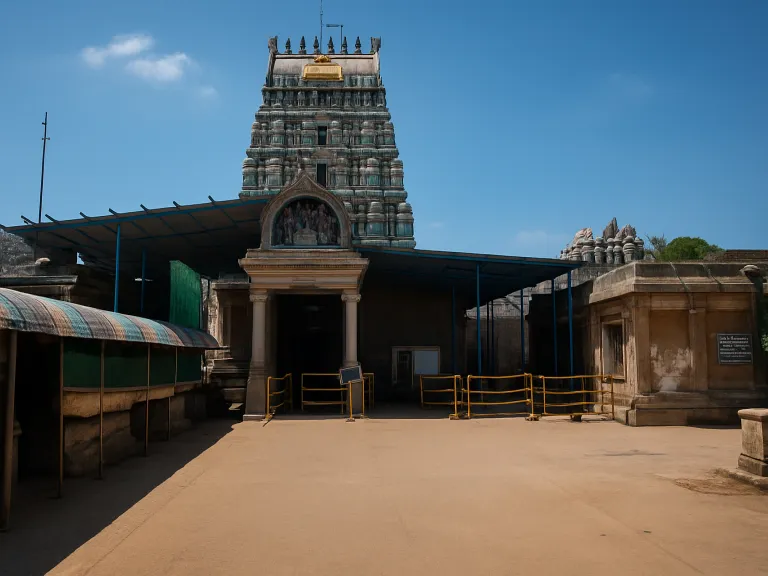
Brahmapureeswarar Temple at Thirupattur in Tiruchirappalli district, Tamil Nadu, is an ancient Shiva temple best known for its rare and prominent shrine for Lord Brahma. The presiding deity is Lord Brahmapureeswarar, worshipped in the form of a Shiva Lingam, and the goddess is Brahma Sampath Gowri. The temple is situated near Siruganur on the Tiruchirappalli-Chennai highway corridor and is a major pilgrimage destination for devotees seeking Shiva’s grace and Brahma’s blessings.
The temple’s distinct identity comes from its connection with Brahma, the creator in the Hindu trinity. Unlike most South Indian temples where Brahma appears only as a subsidiary icon, Thirupattur has a separate shrine where Brahma is worshipped in a seated four-faced form. Devotees visit the temple with prayers connected to life direction, education, marriage, profession, family welfare, and relief from obstacles. The temple is especially known for the local devotional belief that Brahma, after receiving Shiva’s grace here, blesses devotees with a positive transformation in destiny.
The sacred complex also contains multiple Shiva Lingams associated with Brahma’s worship, shrines for other deities, and a revered connection with Sage Patanjali. Its combination of Shaiva worship, Brahma devotion, sthala-purana traditions, and Chola-period sacred geography makes it one of the important temples of the Tiruchirappalli region. The temple continues to attract pilgrims from across Tamil Nadu and neighboring states.
Temple Significance
Brahmapureeswarar Temple is significant as an ancient Shiva temple with a rare separate shrine for Lord Brahma. Its sthala purana connects the site with Brahma’s repentance, Shiva’s grace, and the restoration of creative power. Devotees especially visit the temple to worship Brahmapureeswarar and Brahma for blessings connected with change in destiny, removal of obstacles, learning, marriage, career, and overall welfare.
History
Brahmapureeswarar Temple is historically associated with the medieval sacred landscape of the Tiruchirappalli region, an area strongly shaped by Chola-period temple culture. The temple is commonly dated to the Chola period and is described as more than a thousand years old in established temple accounts. The exact individual patron or builder is not securely documented in widely available historical records, so the temple is best understood as a Chola-period Shiva temple that grew in religious importance through continued worship and later renovations.
The temple’s historical importance rests not only on its age but also on its continuous role as a living place of worship. Its layout, shrines, and ritual emphasis reflect the Tamil Shaiva temple tradition in which the main sanctum of Shiva is central, while subsidiary shrines preserve local mythology and devotional practices. Thirupattur became especially prominent because of the Brahma shrine, which is unusual in Tamil temple worship and has given the temple a distinct place among pilgrimage circuits of the region.
Over time, the temple has been maintained as a major regional pilgrimage center. Devotees, temple custodians, and local religious traditions have preserved the association with Brahma, the twelve Shiva Lingams worshipped by him, and the presence of Sage Patanjali’s spiritual connection. While inscriptions or records identifying a single founder are not widely established, the temple’s architecture, cultic history, and regional setting support its status as an ancient Chola-era Shiva temple that continues to be active in daily worship.
Mythology
According to the sthala purana of Brahmapureeswarar Temple, Brahma once became proud of his role as creator. In the mythic account, he considered himself equal to Shiva and was overcome by ego. Shiva humbled Brahma by removing his fifth head and by taking away his power of creation. Deprived of his creative authority and divine status, Brahma sought redemption through sincere worship of Shiva.
Brahma came to Thirupattur and worshipped Lord Shiva with intense devotion. He is associated here with the installation and worship of twelve Shiva Lingams. Pleased with Brahma’s penance and devotion, Shiva restored his creative power and blessed him. Because Brahma received grace at this place, Shiva came to be worshipped as Brahmapureeswarar, the Lord who blessed Brahma. The goddess is worshipped as Brahma Sampath Gowri, linking the temple’s divine presence to auspicious prosperity and restoration.
The temple’s popular devotional belief arises from this myth. Since Brahma’s own destiny changed at Thirupattur after worshipping Shiva, devotees believe that prayers offered at the Brahma shrine can help bring positive transformation in their lives. Worshippers pray for relief from repeated setbacks, clarity in decisions, educational progress, marriage prospects, career improvement, and family welfare. This belief belongs to the temple’s sacred tradition and is expressed through worship of both Brahmapureeswarar and the four-faced Brahma image.
Architecture
Brahmapureeswarar Temple follows the broad pattern of a Tamil Shaiva temple, with a walled sacred complex, entrance tower, circumambulatory spaces, mandapas, and a central sanctum for Lord Shiva. The presiding deity, Brahmapureeswarar, is enshrined as a Shiva Lingam. The goddess Brahma Sampath Gowri has her own shrine within the temple complex, maintaining the conventional Shaiva pairing of Shiva and Ambal worship. The temple’s architecture supports both daily worship and pilgrim movement through its prakaras and subsidiary shrines.
The most distinctive architectural and devotional feature is the separate shrine for Lord Brahma. Brahma is worshipped in a seated posture with four faces, representing his role as the creator and his association with the four Vedas. The image is often associated with turmeric worship, and devotees identify the shrine as the temple’s special focus. The complex also contains a group of Shiva Lingams linked to Brahma’s penance, reinforcing the temple’s mythology through sacred spatial arrangement.
The temple includes shrines and sacred points connected with other deities and sages, including the revered association with Sage Patanjali. Its mandapas, icons, and processional spaces reflect additions and maintenance over time rather than a single construction phase. The architectural value of the temple lies in the way it integrates Chola-period Shaiva temple form with a rare, active Brahma shrine. This combination gives Brahmapureeswarar Temple a character different from many other Shiva temples in the region.
Sacred Features
Temple Tree
Magizha tree
The Magizha tree is associated with the temple as its sacred sthala vriksha in temple tradition.
Temple Tank
Brahma Theertham
Brahma Theertham is associated with the temple’s sthala purana and Brahma’s worship of Lord Shiva.
Temple Highlights
Rare Brahma Shrine
The temple is famous for its separate shrine of Lord Brahma in a four-faced seated form, an uncommon feature in South Indian temple worship.
Ancient Shiva Temple
The presiding deity is Lord Brahmapureeswarar, worshipped as a Shiva Lingam connected with Brahma’s penance and restoration.
Brahma Sampath Gowri Shrine
The goddess of the temple is Brahma Sampath Gowri, worshipped for auspiciousness, prosperity, and divine grace.
Twelve Shiva Lingams
The temple tradition connects the site with twelve Shiva Lingams worshipped by Brahma during his penance.
Patanjali Association
The temple is also revered for its connection with Sage Patanjali, making it spiritually important for devotees of Shaiva and yogic traditions.
Parihara Pilgrimage
Devotees visit the temple for prayers related to obstacles, life direction, education, marriage, career, and family welfare.
Spiritual Benefits
- Devotees pray for positive transformation in life direction and destiny.
- Devotees seek relief from repeated obstacles and delays.
- Students and families pray for education, knowledge, and clarity.
- Worshippers pray for marriage-related blessings and family harmony.
- Devotees seek improvement in career, profession, and livelihood.
- Pilgrims pray for prosperity and auspicious growth through Brahma Sampath Gowri’s grace.
- Devotees worship Brahmapureeswarar for spiritual purification and Shiva’s blessings.
- Worshippers pray for wisdom, humility, and removal of ego through the temple’s Brahma mythology.
Major Festivals
Maha Shivaratri
Maha Shivaratri is an important festival for Lord Shiva and is observed with special worship to Brahmapureeswarar.
Pradosham
Pradosham is observed regularly in Shiva temples and draws devotees for worship of Lord Shiva and Nandi.
Karthigai Deepam
Karthigai Deepam is observed as a sacred festival of lights in Tamil Shaiva worship, with lamps and special devotion.
Arudra Darshan
Arudra Darshan is associated with Lord Shiva and is observed in many Shaiva temples with special worship.
Special Poojas
Brahma Shrine Worship
Devotees offer prayers at the shrine of Lord Brahma for positive change, wisdom, and relief from obstacles.
Abhishekam to Brahmapureeswarar
Ritual bathing and worship of the Shiva Lingam are performed as part of temple worship to Lord Brahmapureeswarar.
Pradosha Pooja
Special worship of Lord Shiva is performed during Pradosham, a significant observance in Shaiva temples.
Archana to Brahma Sampath Gowri
Devotees offer archana to the goddess Brahma Sampath Gowri for auspiciousness, prosperity, and family welfare.
How to Reach
By Road
The temple is accessible by road from Tiruchirappalli via the Chennai highway route toward Siruganur and Thirupattur. Buses, taxis, and private vehicles are commonly used.
By Rail
Tiruchirappalli Junction is the major railway station for visitors. From the station, the temple can be reached by road through Samayapuram and Siruganur routes.
By Air
The nearest major airport is Tiruchirappalli International Airport. From the airport, visitors can travel by taxi or other road transport to Thirupattur.
Nearby Temples
Samayapuram Mariamman Temple
about 25 km
A major Shakti temple near Tiruchirappalli, widely visited for worship of Goddess Mariamman.
Uthamar Kovil
about 30 km
A temple near Tiruchirappalli associated with the worship of Vishnu, Shiva, and Brahma.
Sri Ranganathaswamy Temple, Srirangam
about 35 km
One of the most important Vaishnavite temples in India, dedicated to Lord Ranganatha.
Jambukeswarar Temple, Thiruvanaikaval
about 35 km
A major Pancha Bhoota Sthalam of Lord Shiva representing the element of water.
Related Temples
Uthamar Kovil
A Tiruchirappalli-area temple known for the worship of the Trimurti, including a distinct shrine for Brahma.
Brahma Sira Kandeeswarar Temple, Kandiyur
A Shiva temple associated with the mythology of Shiva removing Brahma’s head.
Chidambaram Nataraja Temple
A major Shaiva temple connected with Sage Patanjali, who is also revered in the Thirupattur temple tradition.
Visitor Tips
-
Confirm the current temple timings before travelling, especially on festival days.
-
Visit early in the morning or during the evening for a calmer darshan experience.
-
Dress modestly and follow the customary practices of a South Indian Shiva temple.
-
Photography rules can vary, so ask temple authorities before taking photos inside the premises.
-
Carry drinking water during hot months, as the Tiruchirappalli region can be very warm.
-
Keep additional time for worship at the Brahma shrine, which is the temple’s main pilgrim focus.
-
Pradosham and Maha Shivaratri draw larger crowds, so plan travel and waiting time accordingly.
-
The temple can be combined with other major Tiruchirappalli-area temples if travelling by road.

 WhatsApp Us