About Temple
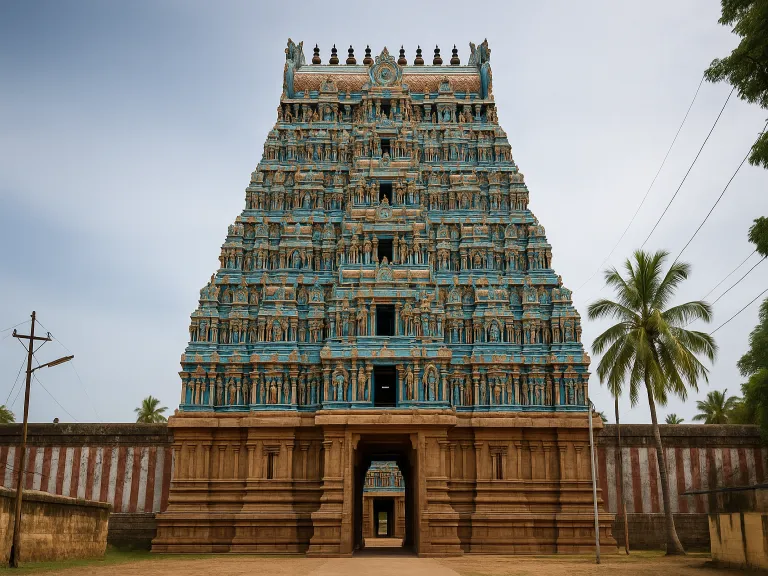
The Durgai Amman Temple at Patteeswaram, near Kumbakonam in Thanjavur district, is the celebrated Durga shrine associated with the ancient Sri Dhenupureeswarar Temple. The sacred site stands in Patteeswaram, a historically important village close to Darasuram and the old Chola capital zone of Pazhayarai. While visitors often identify the place especially with Sri Durga Amman, the larger temple complex is a Shaiva sacred centre dedicated to Lord Shiva as Dhenupureeswarar.
Sri Durga Amman of Patteeswaram is worshipped as a powerful and benevolent form of the Divine Mother. The shrine attracts devotees from Kumbakonam, Thanjavur, Mayiladuthurai, and other parts of Tamil Nadu, particularly for prayers connected with protection, courage, removal of obstacles, and relief from fear. The goddess is especially revered during Navaratri and on days when Durga worship is customarily performed in Tamil temples.
The Patteeswaram temple complex is also important because it is connected with the Tamil Shaiva devotional tradition. The place is counted among the sacred temples praised in the Tevaram hymns, and its legends are linked with the saints of the Bhakti period. For pilgrims, the Durga shrine is not an isolated monument but part of a living temple landscape that includes Dhenupureeswarar, the goddess Gnanambikai, sacred legends of Kamadhenu’s calf Patti, and the famous tradition of Nandi moving aside for the saint Thirugnana Sambandar.
Temple Information
| Presiding Deity |
Sri Durga Amman |
| Goddess |
Sri Durga Amman |
| Temple Type |
Hindu temple, Shakti shrine, Shaiva temple complex, Tevaram-associated sacred site |
| District |
Thanjavur
|
| Built Period |
Sacred site attested by the 7th century CE Tevaram tradition; the present stone temple complex reflects medieval Chola-period development and later additions. |
| Dynasty |
Chola dynasty, with later-period additions and maintenance under subsequent regional powers. |
| Sampradaya |
|
Temple Significance
Patteeswaram Durgai Amman is significant as a major Durga shrine within the ancient Dhenupureeswarar Temple, a Tevaram-associated Shaiva sacred site near Kumbakonam. The temple brings together Shaiva Bhakti history, Chola-region temple heritage, and living worship of the Divine Mother.
History
Patteeswaram is historically significant because the Dhenupureeswarar temple is a Tevaram-sthalam, meaning it was praised in the Tamil Shaiva hymns of the early medieval Bhakti period. The association with Thirugnana Sambandar places the sacred site within the religious geography of at least the 7th century CE. This makes Patteeswaram one of the old Shaiva centres of the Kaveri delta, a region dense with temples, inscriptions, and Chola-period religious activity.
The present temple complex reflects long phases of construction, renovation, and patronage rather than the work of a single documented founder. Patteeswaram lies near Pazhayarai, an important Chola centre, and the region received extensive attention from the Cholas. Stone inscriptions and the architectural fabric of the wider Dhenupureeswarar temple establish its connection with the medieval Chola period, while later additions and maintenance belong to subsequent periods of Tamil temple history.
The fame of the Durga shrine grew within this established Shaiva temple setting. Sri Durga Amman at Patteeswaram is widely known among devotees as one of the important Durga shrines near Kumbakonam. Historical sources clearly establish the antiquity of the Patteeswaram temple complex, while the specific founding details of the Durga shrine as a separate shrine are not documented in a single verifiable founding record. The temple today continues as an active place of worship where ancient Shaiva tradition and Mother Goddess devotion exist together.
Mythology
Temple mythology connects Patteeswaram with Kamadhenu, the divine cow of Hindu sacred tradition. In the local sacred account, Kamadhenu’s calf Patti worshipped Lord Shiva at this place, and the name Patteeswaram is connected with Patti. Because of this association with the cow and its calf, Lord Shiva here is known as Dhenupureeswarar, a name linked with the sacred cow. This legend gives the place its identity and explains the temple’s deep pastoral and devotional symbolism.
Another important legend is connected with the child-saint Thirugnana Sambandar. Temple tradition narrates that Sambandar came to Patteeswaram during intense heat. Lord Shiva caused a pearl canopy to be provided for the saint, and the Nandi images in the temple moved aside so that Sambandar could have an unobstructed view of the Lord. This sacred episode is remembered as one of the most distinctive traditions of Patteeswaram and is reflected in the temple’s ritual memory.
The worship of Sri Durga Amman at Patteeswaram is understood in devotional tradition as the worship of the Divine Mother who protects devotees and removes inner and outer obstacles. Devotees approach her for courage, clarity, relief from distress, and victory over negative influences. These beliefs belong to the living mythology and devotional practice of the temple; they are distinct from the historically verifiable evidence for the antiquity of the Dhenupureeswarar temple complex.
Architecture
The Durgai Amman shrine is part of the larger Sri Dhenupureeswarar Temple complex at Patteeswaram, which follows the broad Dravidian temple pattern of the Kaveri delta. The complex contains gopurams, enclosed prakaras, mandapas, subsidiary shrines, and stone-built sacred spaces shaped through different historical phases. The architecture reflects the layered growth of a major Tamil Shaiva temple rather than a single-period monument.
The main temple is centred on Lord Dhenupureeswarar, with the goddess Gnanambikai and other associated shrines within the complex. The Durga shrine is one of the most visited parts of the temple because of the exceptional devotional importance given to Sri Durga Amman. The icon is venerated as a powerful form of the goddess, combining protective, martial, and compassionate aspects that are typical of Durga worship in Tamil Nadu.
Architecturally, Patteeswaram belongs to the temple landscape of the Chola heartland near Kumbakonam, Darasuram, and Pazhayarai. The complex includes features characteristic of Tamil stone temples: axial sacred planning, pillared halls, processional spaces, and sculptural elements associated with Shaiva worship. The temple also preserves the distinctive sacred memory of Nandi images associated with the Sambandar legend. Specific architectural dates for every shrine within the complex are not separately established in widely available historical records, so the Durga shrine is best understood within the documented antiquity and medieval growth of the larger Dhenupureeswarar temple.
Temple Highlights
Famous Patteeswaram Durga Shrine
Sri Durga Amman at Patteeswaram is one of the best-known Durga shrines near Kumbakonam and is visited by devotees seeking protection, courage, and removal of obstacles.
Part of Dhenupureeswarar Temple
The Durga shrine stands within the ancient Sri Dhenupureeswarar Temple complex, a Shaiva sacred site associated with the Tevaram tradition.
Connection with Thirugnana Sambandar
Temple tradition preserves the famous episode in which Nandi moved aside and a pearl canopy was provided for the saint Thirugnana Sambandar.
Chola-Region Sacred Landscape
Patteeswaram lies near Kumbakonam, Darasuram, and Pazhayarai, an area closely connected with Chola religious and architectural history.
Living Goddess Worship
The shrine remains an active place of worship where devotees offer prayers to Durga Amman for strength, protection, and relief from distress.
Spiritual Benefits
- Devotees pray for protection from fear and distress.
- Devotees seek courage and mental strength.
- Devotees pray for removal of obstacles in personal and family life.
- Devotees seek relief from negative influences and anxiety.
- Devotees pray for success in righteous efforts.
- Devotees seek the grace of the Divine Mother for family welfare.
- Devotees worship for inner clarity and confidence.
Major Festivals
Navaratri
Navaratri is the principal festival season for worship of Sri Durga Amman, with special devotion to the Divine Mother.
Muthu Pandal Festival
This festival is connected with the Patteeswaram tradition of Lord Shiva providing a pearl canopy for Thirugnana Sambandar.
Aadi Fridays
Fridays in the Tamil month of Aadi are widely observed for goddess worship, and devotees visit Durga shrines for special prayers.
Special Poojas
Durga Amman Worship
Devotees offer prayers to Sri Durga Amman for protection, courage, removal of obstacles, and family welfare.
Rahu Kalam Durga Worship
Durga worship during Rahu Kalam is a common devotional practice in Tamil Nadu, and devotees visit the Patteeswaram Durga shrine for such prayers.
Abhishekam and Alankaram
As in active Tamil temples, ritual bathing and decoration of the deity form part of worship; current schedules should be confirmed directly with the temple.
How to Reach
By Road
Patteeswaram is reachable by road from Kumbakonam, Darasuram, and Thanjavur. Local buses, taxis, and auto-rickshaws operate from Kumbakonam and nearby towns.
By Rail
Kumbakonam railway station is the nearest major railhead for visitors. Darasuram station is also close to Patteeswaram for local rail access.
By Air
The nearest major airport is Tiruchirappalli International Airport, from where Patteeswaram can be reached by road via Thanjavur or Kumbakonam.
Nearby Temples
Sri Dhenupureeswarar Temple, Patteeswaram
0 km
The ancient Shaiva temple complex in which the famous Sri Durga Amman shrine is located.
Airavatesvara Temple, Darasuram
about 3 km
A Chola-period temple at Darasuram, renowned for its architecture and close to Patteeswaram.
Adi Kumbeswarar Temple, Kumbakonam
about 8 km
A major Shaiva temple in Kumbakonam and one of the town’s principal sacred sites.
Sarangapani Temple, Kumbakonam
about 8 km
A prominent Vaishnava temple in Kumbakonam dedicated to Lord Vishnu as Sarangapani.
Chakrapani Temple, Kumbakonam
about 8 km
An important Vishnu temple in Kumbakonam dedicated to Chakrapani.
Swamimalai Murugan Temple
about 7 km
One of the six abodes of Lord Murugan, located near Kumbakonam and commonly visited with regional temples.
Related Temples
Sri Dhenupureeswarar Temple, Patteeswaram
The ancient Shaiva temple complex that houses the celebrated Sri Durga Amman shrine.
Airavatesvara Temple, Darasuram
Nearby Chola-period temple in the Kumbakonam region and part of the same historic temple landscape.
Adi Kumbeswarar Temple, Kumbakonam
Major Shaiva temple in nearby Kumbakonam, often visited with Patteeswaram temples.
Sarangapani Temple, Kumbakonam
Major Vaishnava temple in nearby Kumbakonam, part of the region’s important pilgrimage circuit.
Visitor Tips
-
Confirm current opening hours with the temple before travelling, as timings can change on festival days.
-
Plan extra time if visiting during Navaratri or other crowded worship days.
-
Wear modest clothing suitable for an active South Indian temple.
-
Follow temple staff instructions for queues, offerings, and shrine access.
-
Check local rules before taking photographs, especially inside the temple complex.
-
Combine the visit with nearby Kumbakonam and Darasuram temples if time permits.
-
Carry drinking water during summer, as the Kaveri delta region can be hot and humid.
-
Use local transport from Kumbakonam for convenient access to Patteeswaram.

 WhatsApp Us