About Temple
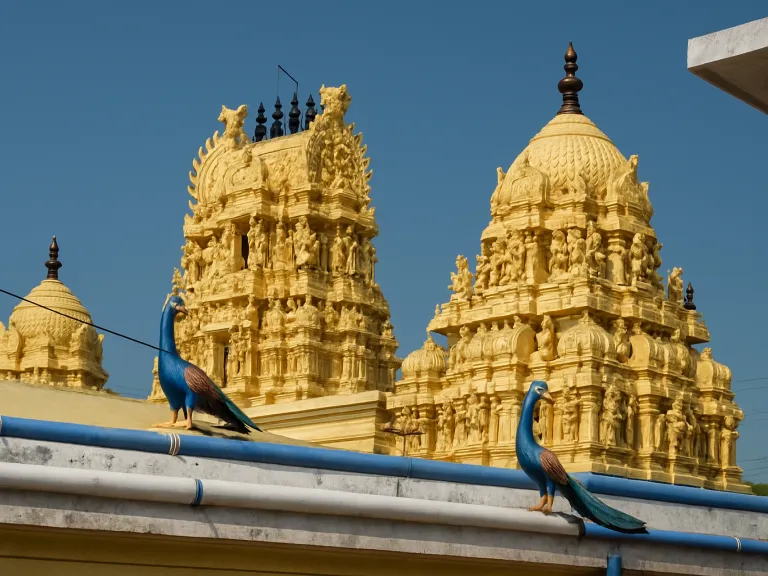
Kumarakottam Murugan Temple in Mayiladuthurai is a Hindu temple dedicated to Lord Murugan, also worshipped as Subramanya, Skanda and Kumara. The temple is identified with the devotional landscape of Mayiladuthurai, a historic temple town in the Cauvery delta of Tamil Nadu. Mayiladuthurai is better known in published sources for major temples such as Mayuranathaswamy Temple and Parimala Ranganathar Temple, while detailed published documentation on Kumarakottam Murugan Temple is limited.
The temple’s name combines “Kumara”, one of the well-known names of Murugan, with “Kottam”, a Tamil term used for a sacred enclosure, shrine or temple precinct. The temple is therefore understood as a shrine centered on Kumara or Murugan. It serves devotees who worship Murugan for courage, wisdom, protection and removal of obstacles, reflecting the wider Tamil devotional tradition surrounding Murugan worship.
No widely documented inscriptional record, royal foundation account, temple chronicle or archaeological survey is presently available in standard historical sources for this specific Mayiladuthurai shrine. For that reason, details such as the original builder, exact period of construction, presiding agama, temple tree, temple tank and historic patronage are not stated as facts here. The temple is best described as a local Murugan shrine within Mayiladuthurai’s living religious environment rather than as a historically documented monument with a clearly published dynastic record.
Temple Significance
Kumarakottam Murugan Temple is significant as a Murugan shrine within Mayiladuthurai, a major temple town of the Tamil Cauvery region. Its importance lies in living worship of Lord Kumara rather than in a presently documented royal or inscriptional history.
History
The historical background of Kumarakottam Murugan Temple, Mayiladuthurai, is not as extensively documented as the major medieval temples of the town. Mayiladuthurai, formerly known as Mayuram, has a long sacred and cultural history connected with the Chola country and the Cauvery delta. However, the general antiquity of Mayiladuthurai cannot be directly assigned to every shrine in the town unless supported by inscriptions, temple records or reliable historical publications.
For this specific Kumarakottam Murugan Temple, widely available historical sources do not provide a confirmed foundation legend, dated inscription, named royal patron or construction record. No well-established evidence is available to identify a particular ruling dynasty as the builder of the temple. Therefore, fields such as built period, dynasty and builder are intentionally left blank rather than inferred from the broader Chola-period history of Mayiladuthurai.
The temple’s historical importance is better understood through its role as a living place of worship for Murugan devotees in Mayiladuthurai. It belongs to the network of local shrines that sustain daily and seasonal religious life in the town. While many such shrines preserve devotional continuity through worship, festivals and community patronage, their early history is often not preserved in formal written records. Until inscriptions, temple documents or authoritative publications specific to this temple are available, its history should be presented with caution and without unverified claims.
Mythology
No widely established sthala purana or temple-specific mythology for Kumarakottam Murugan Temple, Mayiladuthurai, is available in standard documented sources. The mythology associated with the temple is therefore best understood through the broader sacred narratives of Lord Murugan in Tamil Hindu tradition, rather than through a verified local legend unique to this shrine.
Murugan, also called Kumara, Skanda, Subramanya and Kartikeya, is revered as the son of Lord Shiva and Goddess Parvati. In Hindu mythology, he is the divine commander who defeats the asura Surapadman and restores cosmic order. His spear, the Vel, is a symbol of divine knowledge, protection and the destruction of ignorance. In Tamil devotional tradition, Murugan is also closely associated with youth, beauty, bravery, wisdom and compassionate grace.
The name Kumarakottam itself reflects the deity’s identity as Kumara, the youthful divine warrior. In many Murugan temples, devotees approach him for courage, clarity of mind, relief from difficulties and blessings for children and education. Such beliefs belong to the broader Murugan worship tradition. Since no authenticated local myth for this Mayiladuthurai temple is securely documented, no specific origin story, miracle episode or locally unique divine event is presented as historical fact.
Architecture
Published architectural documentation for Kumarakottam Murugan Temple, Mayiladuthurai, is limited. The temple is not widely described in standard architectural surveys in the same manner as the large medieval temples of the Cauvery delta. For that reason, details such as the exact layout, dimensions, number of prakaras, period style, sculptural programme, inscriptions, mandapas and gopuram features are not stated here without verification.
As a Murugan temple, the sacred focus is the worship of Lord Subramanya or Kumara. The name “Kottam” in Tamil religious usage indicates a shrine or sacred enclosure, but it does not by itself prove a specific architectural date or style. Without a reliable temple plan or survey, it would be inaccurate to assign the structure to Chola, Nayak, Maratha or modern architectural phases solely based on its location in Mayiladuthurai.
The temple should therefore be approached as a living urban shrine rather than as a fully documented heritage monument. Devotional use, ritual continuity and local worship define its present identity more clearly than published architectural history. Any detailed description of its sanctum, subsidiary shrines, tower, stucco work, icons or renovation history should be confirmed directly from temple authorities or a documented field survey before being treated as authentic information.
Temple Highlights
Murugan shrine in Mayiladuthurai
The temple is dedicated to Lord Murugan, worshipped as Kumara, Subramanya, Skanda and Kartikeya.
Located in a historic temple town
Mayiladuthurai is an important sacred town in the Cauvery delta, known for several major Hindu temples.
Living place of worship
The temple functions as a devotional shrine for Murugan worshippers rather than as a widely documented archaeological monument.
Name associated with Kumara
The name Kumarakottam identifies the shrine with Kumara, one of the well-known names of Lord Murugan.
Spiritual Benefits
- Blessings for courage and confidence
- Removal of fear and mental weakness
- Grace for wisdom and clarity of thought
- Protection from difficulties and negative influences
- Blessings for children and family welfare
- Support for discipline, devotion and inner strength
How to Reach
By Road
Mayiladuthurai is connected by road with Kumbakonam, Chidambaram, Sirkazhi, Thanjavur and other towns in the Cauvery delta. Local transport can be used within the town to reach the temple.
By Rail
Mayiladuthurai Junction is the main railway station serving the town and is connected to Chennai, Tiruchirappalli, Thanjavur, Kumbakonam and other destinations.
By Air
The nearest major airport commonly used for Mayiladuthurai is Tiruchirappalli International Airport. Visitors can continue by road or rail from Tiruchirappalli.
Nearby Temples
Mayuranathaswamy Temple
Within Mayiladuthurai town
A major Shiva temple of Mayiladuthurai associated with Lord Mayuranathaswamy and Goddess Abhayambikai.
Parimala Ranganathar Temple
Within Mayiladuthurai town
A Vishnu temple in Mayiladuthurai revered as one of the Divya Desams.
Vallalar Koil
Within Mayiladuthurai town
A Shiva temple in Mayiladuthurai known for worship associated with Dakshinamurthy.
Visitor Tips
-
Confirm current temple timings before visiting.
-
Dress modestly and follow normal Hindu temple etiquette.
-
Remove footwear before entering the temple premises.
-
Avoid disturbing worshippers during puja or darshan.
-
Check locally before taking photographs inside or near the shrine.
-
Carry drinking water during hot months in Mayiladuthurai.
-
Combine the visit with other well-known temples in Mayiladuthurai if time permits.

 WhatsApp Us