About Temple
Sutharathneswarar Temple at Ootathur, also written as Uthathur or Oothathur, is a historic Shiva temple in Perambalur district of Tamil Nadu, close to Padalur on the Tiruchirappalli-Chennai route. The presiding deity is Lord Sutharathneswarar, a form of Shiva worshipped in the sanctum as a Shiva linga. The goddess is worshipped as Akilandeswari. The temple is valued by devotees as an old rural Shaiva shrine with a strong Chola-period identity.
The name Sutharathneswarar is commonly understood in relation to the Sanskrit-Tamil expression for a pure or spotless gem, and the deity is revered as the Lord of pure radiance. The temple is especially known among devotees for its association with Nataraja worship, particularly the Panchanada Nataraja tradition connected with prayers for relief from kidney and urinary ailments. This healing association belongs to living temple tradition rather than political history.
Ootathur Sutharathneswarar Temple is not a large urban temple complex, but it is important because it preserves the atmosphere of an old Tamil Shaiva village shrine. Its stone core, inscriptions, sanctum arrangement, and continuing worship connect it with the temple-building culture of the Chola period. For visitors, the temple offers a combination of heritage, quiet worship, and regional devotional practice in the central Tamil Nadu landscape.
Temple Significance
Sutharathneswarar Temple is significant as a Chola-period Shiva temple at Ootathur and as a living Shaiva shrine dedicated to Sutharathneswarar and Akilandeswari. It is especially known among devotees for the Panchanada Nataraja-related worship associated with prayers for relief from kidney and urinary ailments. The temple preserves medieval Tamil stone-temple features, local devotional continuity, and the sacred identity of Shiva as the pure gem-like Lord.
History
The history of Sutharathneswarar Temple is connected with the Chola-period temple network of the Kaveri region and its adjoining inland settlements. Ootathur was part of an area where Chola rulers, local chiefs, and temple communities supported stone temples through land gifts, lamps, festivals, and ritual endowments. The extant structural character of the temple and the epigraphical associations place it within the medieval Tamil Shaiva tradition.
The temple is widely identified as a Chola-period shrine, with the main masonry phase associated with the early medieval period. Local and temple accounts commonly connect the temple with the age of Rajaraja Chola I, while the broader historical context reflects the Chola practice of converting older sacred sites into durable stone temples. Inscriptions found in many such temples record gifts for worship, lamps, and maintenance, showing how temples functioned as religious and social institutions.
Later generations continued the worship of Sutharathneswarar and Akilandeswari, and the temple remained part of the devotional geography of the Perambalur-Trichy region. Its importance today rests not only on royal history but also on continuous ritual life, village patronage, and the distinctive Nataraja-related worship remembered by devotees. The historical facts should be distinguished from the temple’s mythology and healing traditions, which belong to oral and devotional memory.
Mythology
The mythology of Ootathur Sutharathneswarar Temple centres on the sacred identity of Shiva as Sutharathneswarar, the Lord associated with pure gem-like brilliance. In local devotional understanding, the name conveys purity, auspiciousness, and the removal of inner impurity. Worshippers approach the linga as a form of Shiva who grants clarity, steadiness, and spiritual cleansing. These meanings belong to the religious interpretation of the temple name rather than to political history.
A living devotional tradition at the temple is connected with Nataraja worship, especially the Panchanada Nataraja association. Devotees visit the temple to pray for relief from kidney stones, urinary difficulties, and related health concerns. Abhishekam to Nataraja and the receiving of sacred offerings are regarded by devotees as part of this votive practice. This belief is part of temple tradition and should not be read as a historical or medical claim.
The goddess Akilandeswari is worshipped as the compassionate divine mother who complements the grace of Sutharathneswarar. Devotees pray to her for protection, family welfare, emotional strength, and the removal of obstacles in daily life. As in many Tamil Shaiva temples, the combined worship of Shiva and Shakti expresses balance between ascetic wisdom and nurturing grace. The mythology preserved at Ootathur therefore reflects both the cosmic form of Shiva and the intimate devotional needs of local worshippers.
Architecture
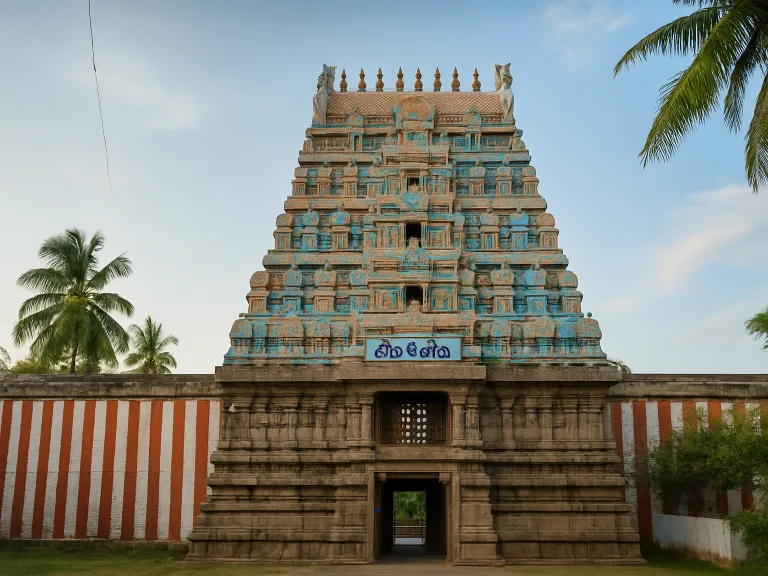
Sutharathneswarar Temple represents the architectural language of a Tamil Shaiva stone temple shaped by the medieval Chola tradition. The central focus is the garbhagriha containing the Shiva linga of Sutharathneswarar. The sanctum is approached through the customary axial arrangement of mandapas and ritual spaces, with Nandi facing the Lord in the standard Shaiva manner. The goddess Akilandeswari has her own shrine within the temple complex, allowing separate worship of Shiva and Shakti.
The temple’s architectural value lies in its compact stone-built form rather than in monumental scale. The sanctum, superstructure, mandapa spaces, subsidiary shrines, and circumambulatory arrangement reflect the functional grammar of Chola-period temple design. Stone inscriptions and sculptural elements are important for understanding the temple’s age and patronage. The carvings and layout show the continuity of Tamil religious architecture, where ritual movement, icon placement, and sacred orientation are carefully organized.
The temple also contains images and shrines connected with the wider Shaiva pantheon, including Nataraja worship, which is central to the temple’s present devotional identity. Its architecture supports daily puja, circumambulation, abhishekam, festival worship, and individual prayer. The village setting allows the structure to be experienced as a living heritage site: not merely an archaeological monument, but a functioning temple where medieval stone design, local tradition, and active worship remain closely linked.
Temple Highlights
Chola-period Shiva shrine
The temple is identified with the medieval Chola temple tradition of Tamil Nadu and preserves the character of an old stone-built Shaiva shrine.
Presiding deity Sutharathneswarar
Lord Shiva is worshipped here as Sutharathneswarar, a name associated with purity and gem-like radiance.
Goddess Akilandeswari
The consort shrine is dedicated to Akilandeswari, worshipped as the compassionate divine mother.
Panchanada Nataraja worship
The temple is known in living tradition for Nataraja worship connected with prayers for relief from kidney and urinary ailments.
Village heritage setting
Located at Ootathur near Padalur, the temple offers a quiet devotional atmosphere away from large urban temple crowds.
Spiritual Benefits
- Devotees pray for spiritual purity and inner clarity.
- Devotees seek the blessings of Lord Shiva for removal of obstacles.
- Worship of Akilandeswari is sought for family welfare and protection.
- Nataraja worship is associated in temple tradition with prayers for relief from kidney and urinary ailments.
- Pradosham worship is considered auspicious for receiving Shiva’s grace.
- Abhishekam and archana are performed for health, peace, and prosperity.
- Devotees pray for emotional strength and stability.
- The temple is visited for quiet meditation and devotional worship.
Major Festivals
Maha Shivaratri
Maha Shivaratri is the principal annual festival for Shiva worship, marked by special prayers, abhishekam, and night worship in Shiva temples.
Pradosham
Pradosham, observed twice every lunar month, is an important occasion for worship of Lord Shiva and Nandi.
Arudra Darshan
Arudra Darshan is associated with Lord Nataraja and is significant in temples where Nataraja worship is prominent.
Tamil monthly Shiva worship days
Monthly observances connected with Shiva worship, including Pradosham and other auspicious days, draw devotees for abhishekam and archana.
Special Poojas
Abhishekam to Sutharathneswarar
Ritual bathing of the Shiva linga is performed as part of regular and special worship to Lord Sutharathneswarar.
Archana to Akilandeswari
Devotees offer archana to Goddess Akilandeswari for family welfare, protection, and divine grace.
Pradosha Pooja
Special worship of Lord Shiva and Nandi is performed on Pradosham, an important Shaiva observance.
Nataraja Abhishekam
Nataraja worship at the temple is associated with devotional prayers for health, especially in relation to kidney and urinary ailments.
How to Reach
By Road
Ootathur is reachable by road from Padalur, Perambalur, and Tiruchirappalli. Padalur lies on the Tiruchirappalli-Chennai highway corridor, from where local roads lead to Ootathur.
By Rail
Padalur Railway Station is the nearest local railway access. Larger rail connections are available at Tiruchirappalli and Ariyalur, depending on the route chosen.
By Air
The nearest major airport is Tiruchirappalli International Airport, from where visitors can continue by road through Tiruchirappalli and Padalur.
Nearby Temples
Siruvachur Madhura Kaliamman Temple
about 14 km
A well-known goddess temple near Perambalur, visited by devotees for worship of Madhura Kaliamman.
Brahmapureeswarar Temple, Tirupattur
about 35 km
A historic Shiva temple near Tiruchirappalli, known for worship of Brahmapureeswarar and Brahma.
Samayapuram Mariamman Temple
about 40 km
One of Tamil Nadu’s prominent Mariamman temples, located near Tiruchirappalli.
Visitor Tips
-
Verify the current opening hours with local temple contacts before travelling, as village temple timings may change.
-
Plan travel through Padalur or Perambalur when using public transport.
-
Dress modestly and follow normal Tamil Nadu temple etiquette.
-
Carry cash for offerings, archana, and local transport, as digital payment options may not always be available.
-
Ask the temple priest or administration about special abhishekam schedules before planning a votive visit.
-
Follow the temple’s instructions regarding photography and mobile phone use.
-
Visit during cooler hours of the day for a more comfortable experience.
-
Maintain silence near the sanctum and avoid disturbing ongoing rituals.

 WhatsApp Us